Survival is the Floor: Building Stuff That Actually Lasts in Nigeria
TechCabal just dropped the theme for Moonshot 2026. As a dev who has spent the last few years patching up systems and keeping servers running on vibes and prayer, 'Courage & Conviction' hits a bit differently.
My generator cut out at 2:00 AM last night while I was halfway through debugging a nasty race condition in our payment gateway. In that pitch-black room, staring at a dying laptop screen, the last thing on my mind was global tech trends. I just wanted my code to compile and the transactions to stop failing.
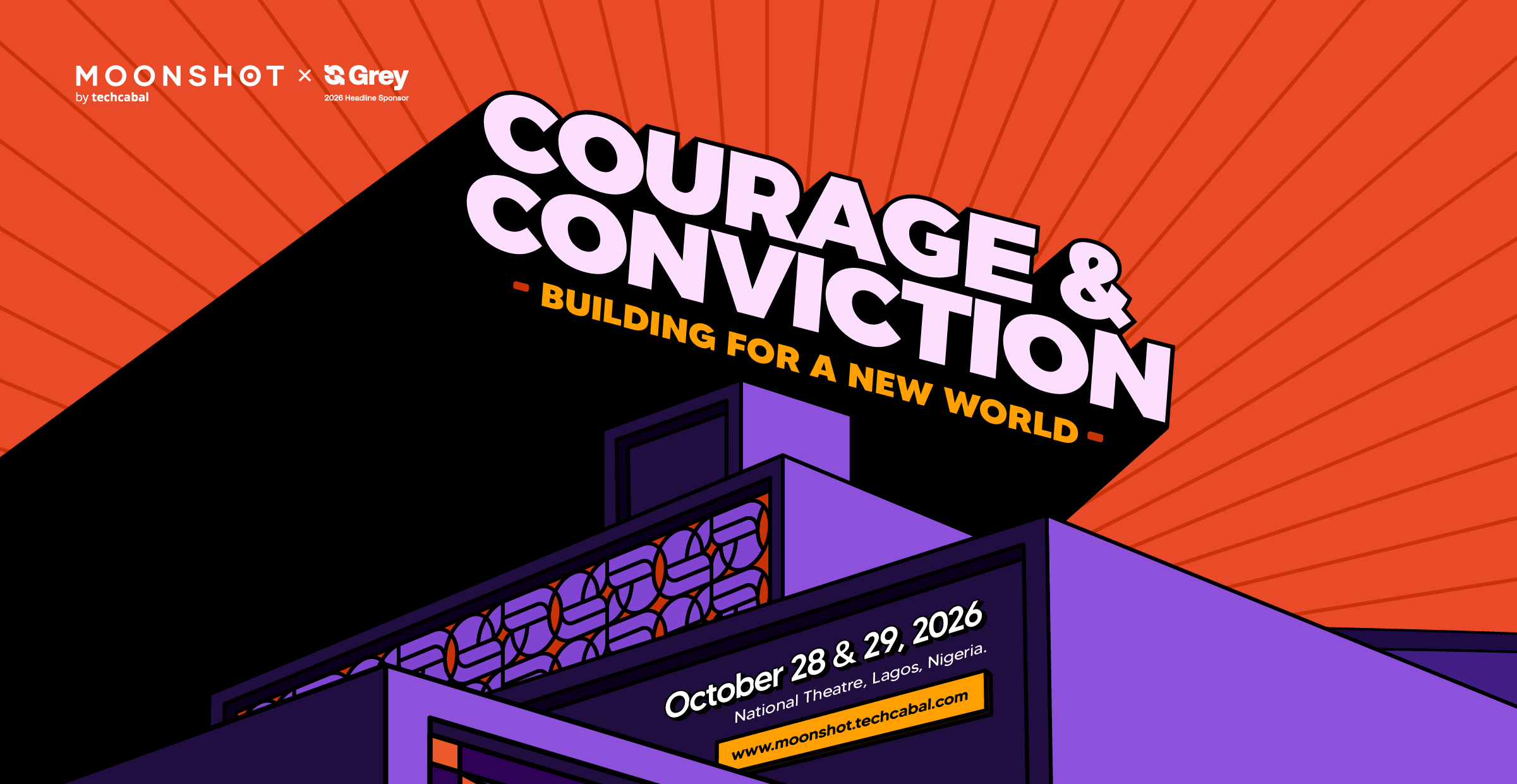
But this morning, after a heavy dose of coffee and a noisy commute through Gbagada, I saw that TechCabal announced the theme for Moonshot 2026: "Courage & Conviction — Building for a New World."
It got me thinking. For the past three years, the vibe in the Nigerian tech ecosystem has been "just survive." We saw the funding dry up, we watched foreign APIs get too expensive because of the dollar rate, and we collectively adopted a "no gree for anybody" mindset just to keep the lights on.
But survival is a terrible long-term plan.

The Trap of Just "Getting By"
When you are constantly in survival mode, you make compromises. You write sloppy code because you need to ship yesterday. You patch up legacy databases with duct tape and prayers because you don't have the runway to refactor.
I’ve met devs working out of shared hubs in Akure and cold rooms in Jos who are tired of this. We don't want to just "adapt" to a broken system anymore. The Moonshot team says survival is the floor, not the ceiling. I agree.
If we are going to build things that last, we have to stop building cheap clones of Western products. A buy-now-pay-later app built for San Francisco will fail miserably in the chaotic local markets of Onitsha or Owerri if it doesn't account for how people actually handle cash and trust.
What "Building to Last" Actually Means for a Dev
For me, building to last isn't some abstract slide in an investor pitch deck. It means very practical, sometimes boring things:
- Offline-first architectures: Building apps that don't crash when MTN or Airtel network decides to go on holiday for three hours.
- Database optimization: Writing clean, index-friendly queries because hosting costs on AWS are billed in dollars, and a poorly optimized search function can drain your startup's bank account faster than inflation.
- Real local problem solving: Less wrapper APIs around foreign LLMs, and more custom, lightweight models that can run on low-end Android phones without melting the battery.
We need to stop treating corporate governance and clean system architecture as luxury items. If your backend is a spaghetti mess of uncompleted sprints and unvetted packages, your product won't survive the load when you finally scale.
Conviction is Hard When the Inverter is Low
It's easy to talk about courage when you're sitting in a chilled conference room at the National Theatre in Lagos. It’s much harder when you are trying to deploy a critical hotfix while your inverter is low, and your internet provider is sending you "scheduled maintenance" messages.
But that’s exactly where the conviction part comes in. The folks who are still building here, who didn't take the first "japa" route to Europe to write basic CSS, are doing it because they actually believe we can own the value we create.
We’ve earned the right to be ambitious. We’ve coded through fuel scarcity, inflation, and crazy server bills.
When Moonshot happens in October, I’m not looking forward to the usual panel discussions where people repeat the same buzzwords they read on Twitter. I want to talk to the engineers who stayed, the founders who pivoted when their original business model crumbled, and the product designers who are making tech accessible to the average person on the street who doesn't even know what a database is.
We are done just trying to survive. Let's build things that are too good to ignore.
Related from Nigeria
Let's build your next big product.
Accepting project-based freelance, remote engineering roles, and hybrid positions.