Stop Shipping Soft Hardware: Why Spiro’s Latest Play is a Masterclass in Localization
Slapping an African sticker on foreign-built tech doesn't work. Spiro buying an engineering firm to rebuild EVs for our actual roads is the reality check we all need.
If you’ve ever tried to run a heavy JavaScript framework on a cheap Android phone over a patchy 3G connection while sitting in a stagnant bus at Berger, you know exactly what happens when tech isn’t built for the environment it lives in. It chokes.
The exact same thing happens to hardware.
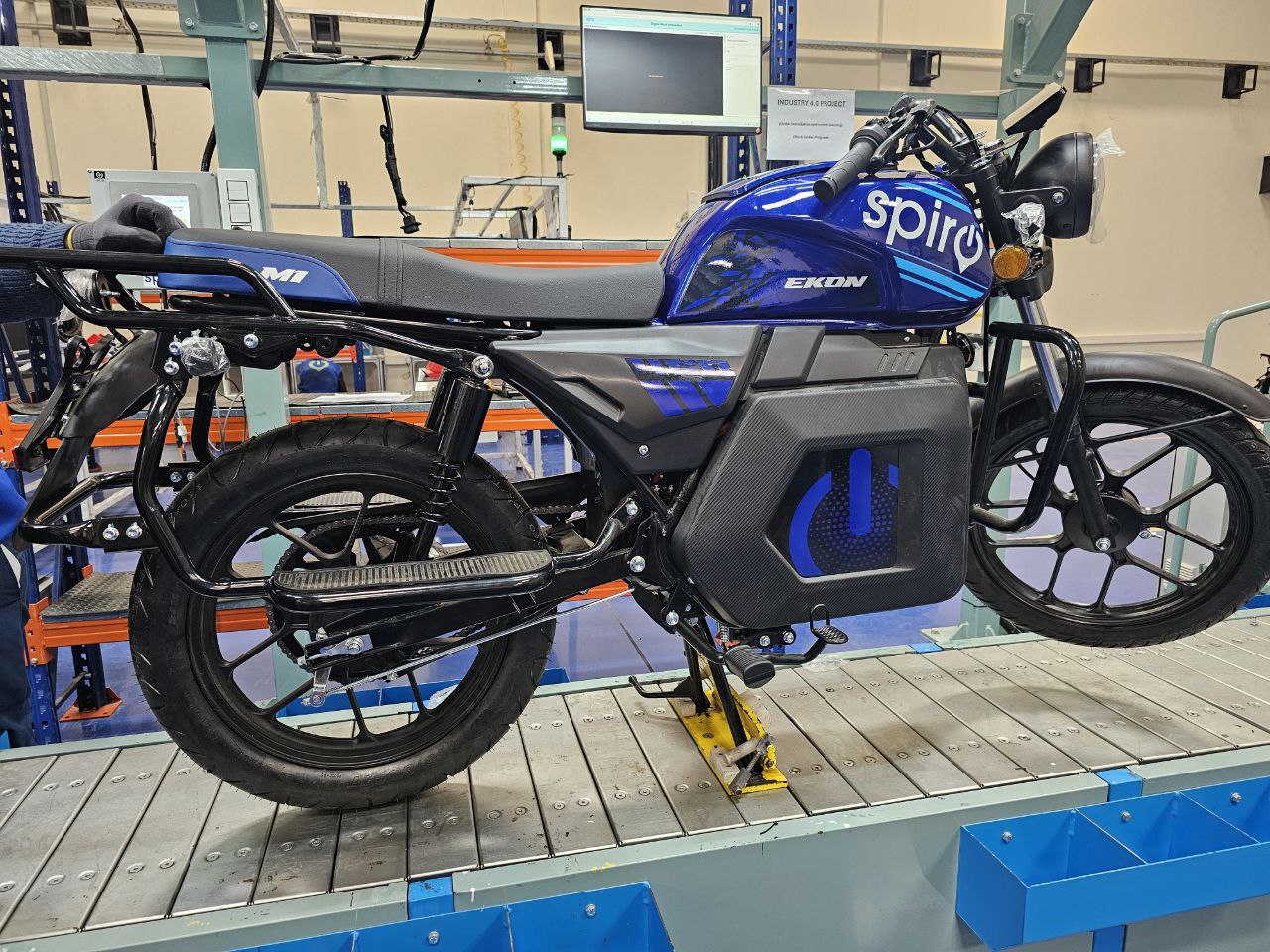
I’ve been thinking about this a lot since hearing that Spiro—the e-mobility startup dominating East Africa right now—just acquired Coexlion, a UK and India-based engineering consultancy. For most people, this is just another dry corporate headline. But for anyone who actually builds things, this is a massive deal.
Spiro is basically admitting something we've all known for years: you cannot just import foreign tech, slap a local sticker on it, and expect it to survive our environment.
The Street vs. The Lab
Most of the electric motorcycles currently imported into Africa are designed for the billiard-table-smooth streets of Shenzhen, Bangalore, or Munich. They are engineered for orderly commutes, mild climates, and predictable terrain.
Then you bring them here.

A typical okada driver in Oyingbo or a delivery guy navigating the potholes of Gbagada is going to load that bike with heavy cargo, carry a passenger, and then fly over a massive crater of a pothole at 40km/h. Standard shock absorbers designed for Europe will literally crack under that kind of daily punishment. Dust from the dry seasons in Jos will clog up poorly sealed air cooling vents in a week. Extreme heat degrades lithium-ion batteries faster than any software throttling can prevent.
This is where Coexlion comes in. They aren't a marketing agency; they are deep-level mechanical and electrical engineers who have worked with Triumph, Ola, and Ather. They hold patents on modular drive systems.
Spiro isn't trying to look cool. They are trying to stop their bikes from breaking in half.
Doing a Hard Fork on Hardware
As a developer, when a third-party package or API doesn't fit my exact use case, I don't just keep writing messy wrapper functions around it forever. At some point, you fork the repo and build what you need in-house.
Spiro is doing a hard fork on EV hardware.
By building a dedicated R&D center in Kenya and bringing Coexlion’s engineering team in-house, they now own the physical "source code" of their bikes. They can design custom battery casings that can handle extreme vibration. They can build thermal management systems that actually work when the afternoon heat is roasting the tarmac.
They are shifting from being a distributor of imported hardware to a genuine manufacturer.

The Cost of Technical Debt
Is it expensive? Absolutely. Hardware is notoriously brutal on capital. Building an R&D facility and paying top-tier mechanical engineers is a massive burn rate.
But Spiro has 95,000 electric motorcycles on the road and has completed over 30 million battery swaps. At that scale, a 5% hardware failure rate because of poor design is an existential threat. Fixing broken bikes in the field is vastly more expensive than spending millions to engineer the flaws out of the product before it even leaves the assembly line.
It’s exactly like ignoring refactoring in your codebase because "it works on my machine." Eventually, the technical debt catches up, and your system crashes under heavy load. In the EV space, technical debt doesn't look like a 500 Server Error—it looks like a cracked chassis on a busy highway.
If we want technology to actually scale across this continent, we have to start building for the real world, not the ideal one. It’s cool to see a company finally putting real money behind that realization.
Related from Nigeria
Let's build your next big product.
Accepting project-based freelance, remote engineering roles, and hybrid positions.