Why the Pope's AI Panic Feels Hilarious From a Gbagada Workstation
The Vatican wants to 'disarm' AI, but I'm just out here trying to keep my server costs low enough to survive the week. Let's talk about the gap between global panic and the actual grind.
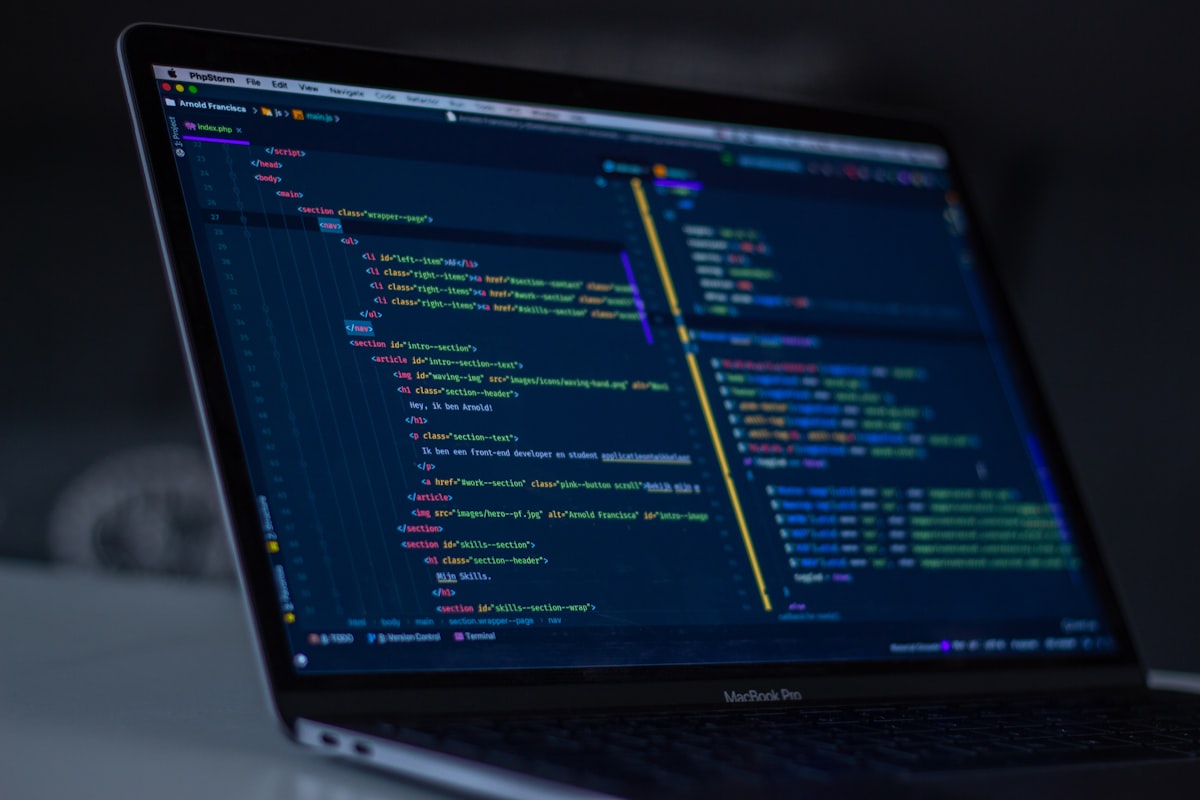
My inverter started buzzing at 3 AM today. If you have ever built software in Lagos during a rainy week, you know that sound. It is the sound of impending doom—or at least the sound of your workspace slowly dying before you can push your latest commits.
While waiting for the grid to behave, I saw the headline about Pope Leo calling to "disarm" artificial intelligence in his first major teaching, treating it like some sort of rogue nuclear warhead.
Honestly, I had to laugh. Disarm what, exactly? My local database wrapper? The sketchy API I wrote to help a logistics guy in Onitsha parse chaotic delivery addresses?

The Luxury of Worrying About Skynet
There is a massive disconnect between the global regulatory panic and what we are actually doing on the ground. When you are sitting in a workstation in Gbagada, or working with a small team in Akure, you are not trying to build an artificial superintelligence that will overthrow humanity. You are trying to make sure your API calls do not timeout because of a bad network.
Our problems are practical, structural, and deeply rooted in execution.
When we use large language models, we are looking at the token usage sheet like a hawkish accountant. Every extra prompt is a dollar-denominated cost. With the Naira doing its usual gymnastics, we cannot afford the luxury of letting AI "run wild." We have to choke it. We cache everything, rely on lightweight open-source models, and write highly specific system instructions to keep the output short and cheap.
The real "disarming" we do is keeping our cloud bills from killing our startups.

The "No Gree for Anybody" Approach to Code
I remember talking to a dev friend of mine in Jos last week. He was trying to fine-tune a model to understand local Nigerian slang and marketplace shorthand. He was not worried about existential risk. He was dealing with the fact that standard AI models think "I am coming" means someone is physically moving toward you, rather than the reality: they are probably sitting on their couch, hours away from leaving the house.
Our approach to building software here has to be aggressive. We have to adopt that "No gree for anybody" mindset just to ship products that work.
- We do not build bloated systems because bandwidth is expensive.
- We do not rely on heavy, always-on AI agents because latency will ruin the user experience.
- We use self-hosted, quantized models on cheap VPS instances because we refuse to let external API pricing dictate our survival.
If the West wants to spend billions debating the ethical soul of silicon, that is fine. But for those of us writing the actual code, the goal is simpler: make things that solve real, immediate problems for people who do not care about tech philosophy, but do care if their transfer fails.
Let’s Build for Use Cases, Not Sci-Fi Movies
The real threat in technology is not a rogue AI taking over the world. It is the sheer volume of useless, over-hyped software being shoved down users' throats.
Instead of panic-induced regulations, we need better error handling, localized datasets, and a focus on building tools that do not break the moment the internet connection dips.
The next time you see a global leader warning about the end of days via code, take a deep breath, optimize your database queries, and keep building. The hustle continues.
Related from Engineering
Let's build your next big product.
Accepting project-based freelance, remote engineering roles, and hybrid positions.