The Vatican is Worried About AI Terminators, But I'm Just Trying to Fix This Webhook
While global leaders debate the existential threats of artificial intelligence, Nigerian devs are using LLMs to fight Sapa and keep payment APIs running.

My generator is humming a rhythmic tune outside, the cold morning air in Jos is making my knuckles stiff, and I am staring at a payment webhook that has been throwing intermittent 500 errors since 2 AM.
Then I take a break, open my browser, and see that Pope Leo XIV is warning the world about AI "killer robots" and comparing artificial intelligence to the biblical Tower of Babel.
I had to laugh. It must be nice to have the mental space to worry about the robot apocalypse. Down here, our relationship with AI is far more desperate and practical. We are not building killer drones; we are trying to survive the week.

The Luxury of Existential Dread
When you are a developer in Akure, Owerri, or Lagos, your existential dread does not look like a sci-fi movie. It looks like your main ISP dropping connection during a production deployment, or your API billing card getting declined because of arbitrary transaction limits on your bank account.
For us, AI is not a looming threat to human dignity. It is an unpaid intern that never sleeps. It is the tool that helps us rewrite messy PHP code from a legacy local banking system into a clean node.js microservice.
When you are trying to bootstrap a micro-fintech platform to help market traders in Onitsha manage daily contributions, you do not have the budget to hire a senior QA engineer. You feed your test suites to an LLM, tell it to find the edge cases in your payment routing logic, and pray it catches the bugs before your users do.
That is not a "Tower of Babel" situation. That is basic survival. It is the classic "No gree for anybody" mindset applied to code.
Where the Rubber Meets the API
Let's talk about the actual stack. Building payment infrastructure in Nigeria means dealing with fragmented, unreliable pipes. One minute a major commercial bank's USSD channel is down; the next, a card processor is failing silently without returning an error code.
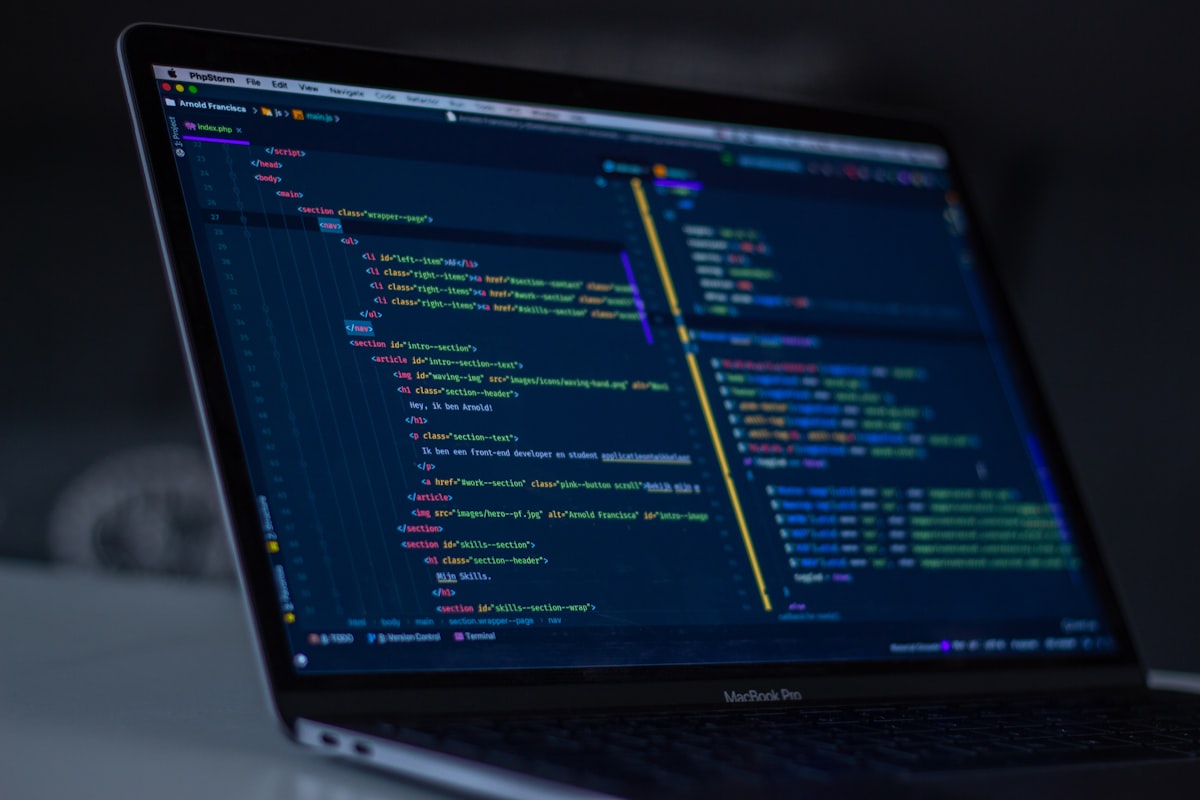
We are using AI models to build smart routing engines. If Bank A is failing, our middleware uses lightweight machine learning to predict which alternative gateway has the highest success rate for that specific volume at that specific hour. We are using these models to parse chaotic, unstructured SMS transaction alerts from local banks and turn them into clean, structured JSON payloads so merchants can reconcile their books instantly.
We are writing code that keeps small businesses liquid. When the Pope talks about disarming AI, I understand the sentiment on a global scale. But on a local scale, taking these tools away from us just widens the gap. It makes it harder for a kid in a Gbagada workstation to compete with a well-funded startup in San Francisco.
Real World Problems, Real World Code
The people using our apps do not care about the ethics of artificial neural networks. A trader in the open market does not care if the code running the ledger was written by a human or a mixture-of-experts model. They just need to know that when a customer transfers money for a bag of rice, the notification drops before the customer walks away.
If I can use an AI assistant to scaffold a database schema in ten minutes instead of two hours, that is more time I can spend testing the actual user experience in low-bandwidth environments.
So, let the global powers and religious leaders debate the ethics of the future. I respect the hustle, but my terminal is still open, the webhook is still failing, and I have exactly one bar of fuel left in the generator.
It is time to feed this error log back into the prompt and get this code deployed. We have actual bills to pay.
Related from Fintech
Let's build your next big product.
Accepting project-based freelance, remote engineering roles, and hybrid positions.