Stablecoins, $8M, and the Nightmare of Moving Money Across African Borders
Moving money between African countries is broken. Checker just dropped $8M to build a stablecoin API to fix it, but can they actually beat the local regulatory trenches?
Have you ever tried to send money from Lagos to Accra? It is often easier to buy a plane ticket, pack the cash in a bag, and fly there yourself. No, seriously. Last year, I tried paying a designer in Kenya for a project. By the time the correspondent banks finished eating their share, and the exchange rate did its daily dance, we had both lost our minds.
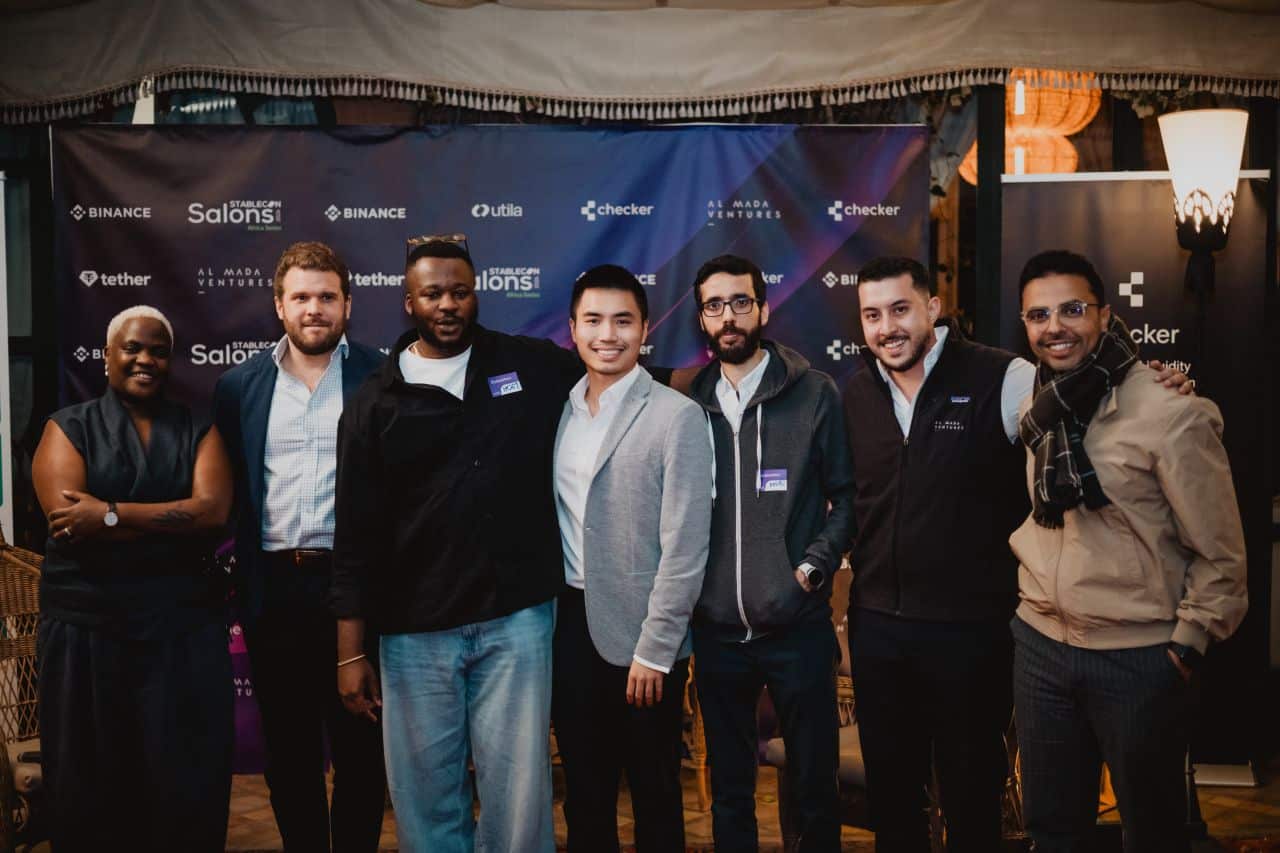
So when I saw the news that Checker is expanding into Africa with $8 million in backing to build stablecoin-powered banking infrastructure, my developer brain immediately went: "Finally, but how are they actually going to deploy this?"
They are targeting a massive market. Think of the small businesses in Onitsha importing raw materials, the tech agencies in Gbagada collaborating across borders, or the merchants who are sick and tired of waiting five business days for a bank wire to clear.

The Dev Perspective: APIs Over Hype
At its core, this is not about "crypto" in the speculative sense. It is about utility. If you strip away the blockchain jargon, stablecoins like USDT or USDC are just highly efficient, 24/7 global settlement rails.
For a developer building fintech products here, the holy grail is a clean API. I want an endpoint where I can trigger a transaction in Naira and have it settle in stablecoins on the other end, without writing custom smart contracts, managing gas fees, or worrying about wallet security. That is what Checker is promising: the infrastructure layer.
Instead of every fintech startup trying to build their own rails, they can theoretically plug into Checker's SDK and get instant cross-border clearing.

The Real Boss Fight: Liquidity and Regulation
But let us be real for a second. The tech is rarely the hardest part of building in Nigeria. The real boss fight is regulation and liquidity.
You can write the cleanest, most performant backend code, but if the local fiat-to-stablecoin on-ramps are choked, your API is going to return a timeout. In Nigeria, the regulatory stance on crypto has been a rollercoaster. One day you are building freely, the next day you are trying to explain to your users why their transaction is stuck in limbo.
Even if you solve the regulatory puzzle, you still have to deal with liquidity. If a trader in Owerri wants to send 5 million Naira to a supplier in Cotonou, Checker’s backend has to find the pool to convert that Naira to stablecoins, and then to CFA, instantly. If the liquidity pool is shallow, slippage will eat the business owner alive.

Why I am Keeping an Eye on This
I am rooting for them because the current setup is painful. We cannot keep relying on outdated correspondent banking systems designed in the 1970s.
If Checker can actually provide a stable, developer-friendly SDK that abstracts all the blockchain complexity, it could unlock a lot of doors. Imagine being able to integrate instant cross-border payments into a local e-commerce checkout with just a few lines of code. No more "send me a screenshot of the receipt" on WhatsApp, and no more waiting for manual bank verification.
Let us see if that $8 million war chest is enough to survive the regulatory trenches. I will be keeping an eye on their documentation. If they release a public sandbox, you know I will be the first to test it.
Related from Nigeria
Let's build your next big product.
Accepting project-based freelance, remote engineering roles, and hybrid positions.