An $8 Million Bet on Stablecoins: Can We Finally Fix Cross-Border Payments?
Checker is entering Africa with a massive war chest to build stablecoin-powered banking infra. As a developer, I have just one question: will their APIs actually work when the rain starts falling?
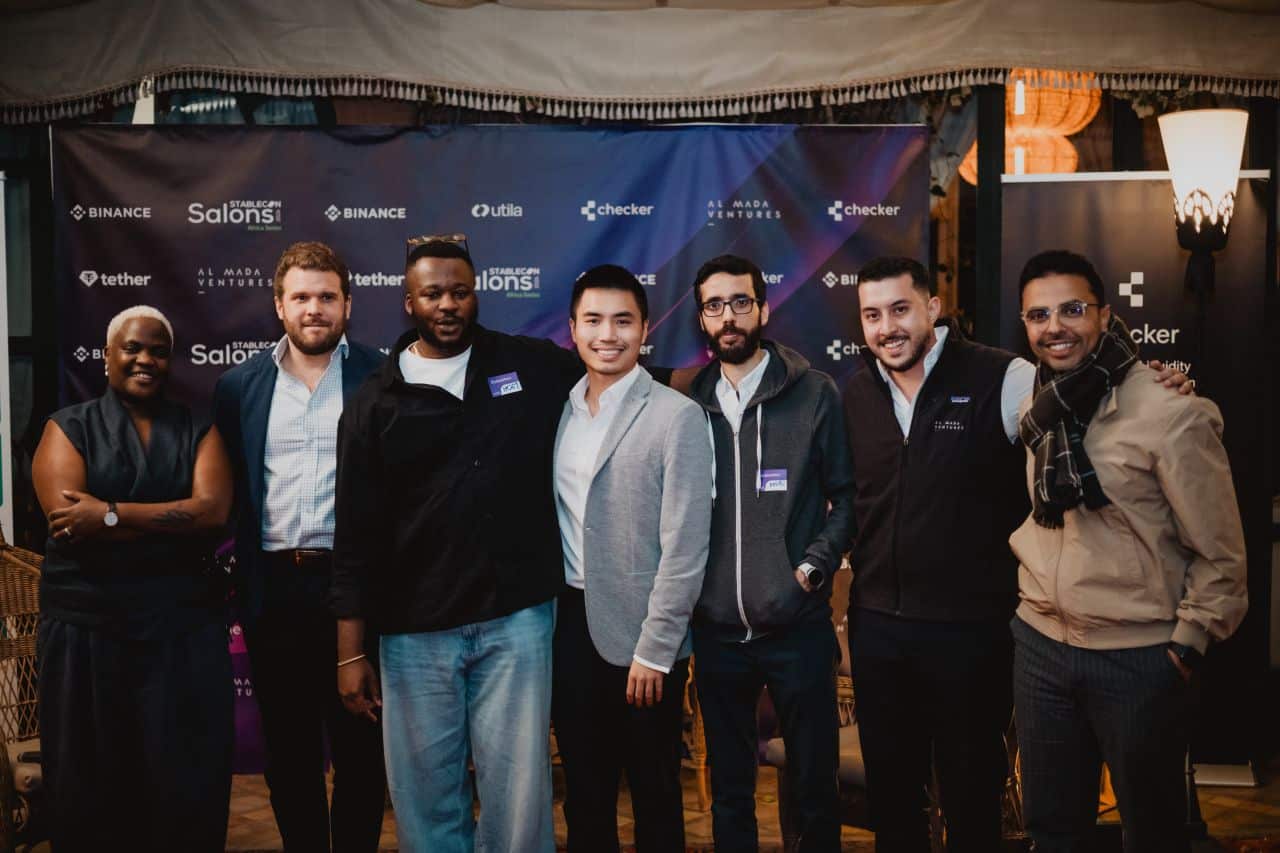
My laptop fan is currently screaming like a jet engine, and honestly, my brain feels about the same. I spent the last three hours debugging a custom webhook that is supposed to trigger when a payment lands from Kenya. Spoiler alert: it didn't land.
So when I saw the news about Checker expanding into Africa with an $8 million war chest to build stablecoin-powered banking infrastructure, I didn't think about "strategic disruption" or "market penetration."
I thought: Will their API actually solve my webhook headache?
The Onitsha Merchant and the Akure Dev
If you have ever tried to build anything that moves money across African borders, you know the pain is real. It is not some abstract economic theory. It is a daily fight against failing rails.
Take a merchant in Onitsha trying to pay for spare parts from a supplier in Cotonou, or a young developer in Akure trying to get paid for a remote gig by a startup in Kigali. Right now, they are either paying ridiculous fees on black-market cash transfers or waiting five business days for a correspondent bank in London or New York to wake up and approve a transaction between two neighboring African countries. It makes absolutely no sense.

This is why stablecoins are such a big deal for those of us building products. We are not talking about speculative crypto trading or waiting for "to the moon" price spikes. We are talking about using USDT or USDC as a fast, cheap, programmable ledger. Instead of writing custom integrations for twenty different local banking APIs that go down whenever the weather gets slightly cloudy, we want to write one clean integration to a stablecoin rail.
The Real Beast: On-and-Off Ramps
But here is where my developer skepticism kicks in. Building a beautiful wrapper is easy. Any junior dev with a free weekend and a pot of coffee can whip up an ERC-20 payment gateway.
The real nightmare is the liquidity.
How do you convert local fiat—Naira, Cedis, Shillings—into stablecoins and back without losing 10% on slippage? If Checker can build the actual infrastructure that abstracts this madness away, they win. If they can give us APIs that handle the conversion under the hood with minimal fees, then we are talking about a real game-changer.

If they just hand us another flashy dashboard with high transaction fees and slow settlement times, then we will just stick to our manual, stress-inducing peer-to-peer workarounds. We are tired of pretty landing pages that hide broken backend systems.
What I'm Looking For in the Docs
I am keeping my fingers crossed for this launch. But if the team at Checker is listening, here is what devs actually want:
- Clear Error Codes: Please, no more generic "500 Internal Server Error" when a transaction fails. Tell us if it is a liquidity issue, a network timeout, or a compliance block.
- A Real Sandbox: Give us a staging environment that actually mirrors production. Testing live transactions with your own hard-earned money because the testnet is broken is a rite of passage I would gladly skip.
- Stable Webhooks: When a payment is settled, we need to know instantly. Our users do not have the patience to wait for manual database reconciliations.
The trade potential across the continent is massive, but we cannot build the future of African commerce on top of legacy banking systems that feel like they were designed in the nineties.
I am going to sign up for their developer beta and see what is under the hood. For now, my terminal is waiting, and that broken webhook is not going to debug itself. No gree for anybody, we will ship this code tonight.
Related from Nigeria
Let's build your next big product.
Accepting project-based freelance, remote engineering roles, and hybrid positions.