95,000 Bikes and the Battery Swap Hustle
Fuel prices are doing gymnastics in Nigeria, but Spiro is betting on a massive fleet of electric bikes to change the game. Can they actually scale past the Dangote factor?
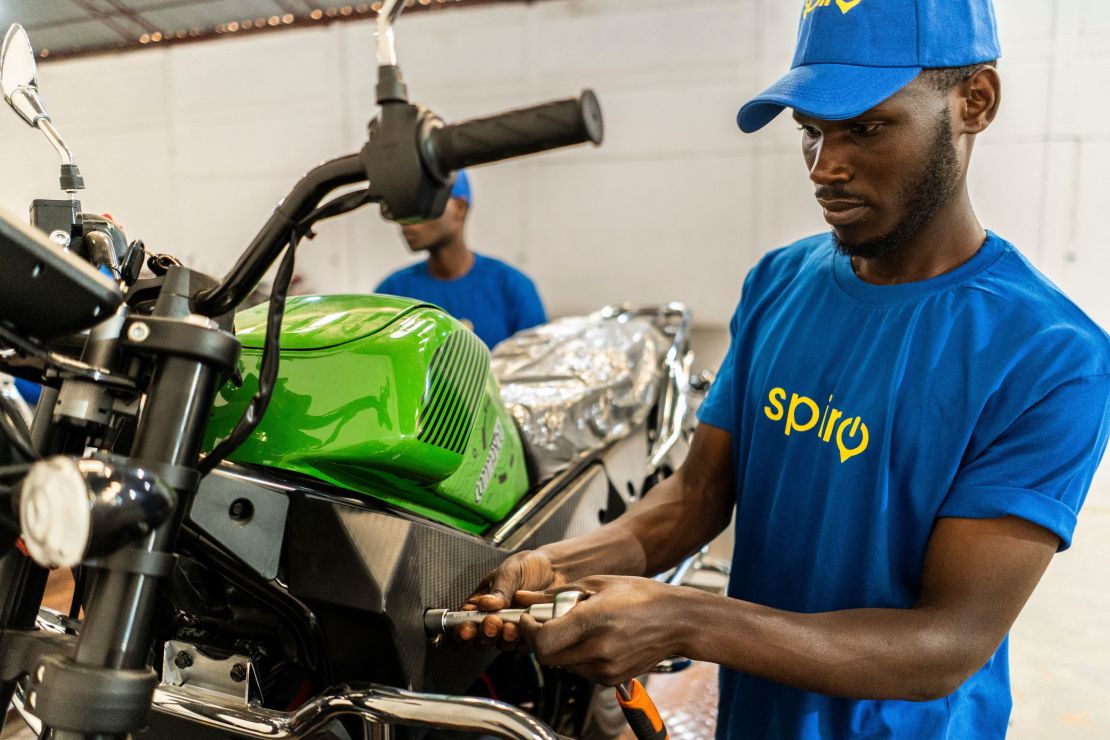
I remember trying to find fuel for my old bike in Akure a few years back during one of those random "scarcity" seasons. The queue was long enough to reach the next local government, and the heat was unforgiving. It’s that exact frustration—the feeling that your livelihood is tied to a fuel pump—that makes the electric vehicle (EV) conversation so loud right now.
Spiro just announced they’ve hit 95,000 electric motorcycles across Africa. They’re moving into Cameroon now, making it their seventh market. For a dev like me, looking at those numbers doesn't just mean "growth," it means a massive backend challenge. We’re talking about 30 million battery swaps. Think about the data architecture required to track 95,000 assets, their battery health, their GPS location, and the billing for every single swap. That is a lot of code running in the background to make sure a rider doesn't get stranded in the middle of a busy street.

The Hardware-Software Loop
What people often miss about Spiro isn’t the bikes—it’s the swapping stations. They’ve deployed over 2,500 of them. In a place like Lagos or even the quieter parts of Jos, power stability is always the "Sapa" of infrastructure. How do you keep 2,500 stations online and charging when the grid is acting up?
The "lease-to-own" model they’re using is clever because it lowers the entry barrier. Most riders can't drop a few million Naira at once. But by separating the battery cost from the bike cost, it becomes a service. It's basically SaaS—Software (and Swapping) as a Service. If the app glitches or the payment gateway fails, the rider can’t work. That’s a high-stakes deployment environment.
Why Nigeria is a Different Beast
It’s interesting to see that Spiro is killing it in Kenya (60% market share!) but still "figuring things out" in Nigeria. Honestly, I get it. The Nigerian market is a wild card right now. With the Dangote refinery finally pumping, there’s this weird tension. If domestic fuel becomes stable and slightly cheaper, the "urgency" to switch to electric might cool down for some.
But for the average rider in a place like Gbagada or the busy hubs in Onitsha, fuel volatility is still a nightmare. The "No gree for anybody" spirit means these guys want the cheapest way to move from point A to point B, period. Spiro needs to prove that swapping a battery is cheaper than a litre of petrol, even with Dangote in the mix.

Getting More Women in the Driver’s Seat
I saw the bit about their partnership with ESP to get more women into e-mobility, starting in Rwanda. This is smart business, not just some "feel-good" initiative. In the logistics and delivery world, we need more hands. If you give women access to the bikes, the financing, and the training, you’re basically unlocking a whole new segment of the workforce.
Imagine a fleet of female delivery riders in a city like Ilorin or Ibadan, backed by a system that doesn't require them to hunt for fuel at 11 PM. It changes the dynamic of the "last mile" delivery completely.
The Real Tech Challenge: Local Sourcing
Spiro says they want to move from 30% to 70% local sourcing for their parts within two years. As a founder, this is the part that makes me lean in. Building software is one thing, but setting up supply chains for hardware in Africa? That’s the final boss level.

If they can actually pull off assembling and sourcing 70% of those bikes in Uganda, Kenya, and Rwanda, it sets a massive precedent. It means we stop being just consumers of tech and start being the workshop.
I’m skeptical about the timeline—two years is fast for hardware—but I’m rooting for them. We need fewer pitch decks and more actual bikes on the road. Now, if they can just figure out how to make those batteries last through a rainy season in a flooded Lagos street, they’ll really be onto something.
Related from Nigeria
Let's build your next big product.
Accepting project-based freelance, remote engineering roles, and hybrid positions.