When 'Last Mile' Becomes the Last Straw
Copia is heading to the High Court in Kenya, and it’s a sober reminder that in African tech, the physical world always bats last.
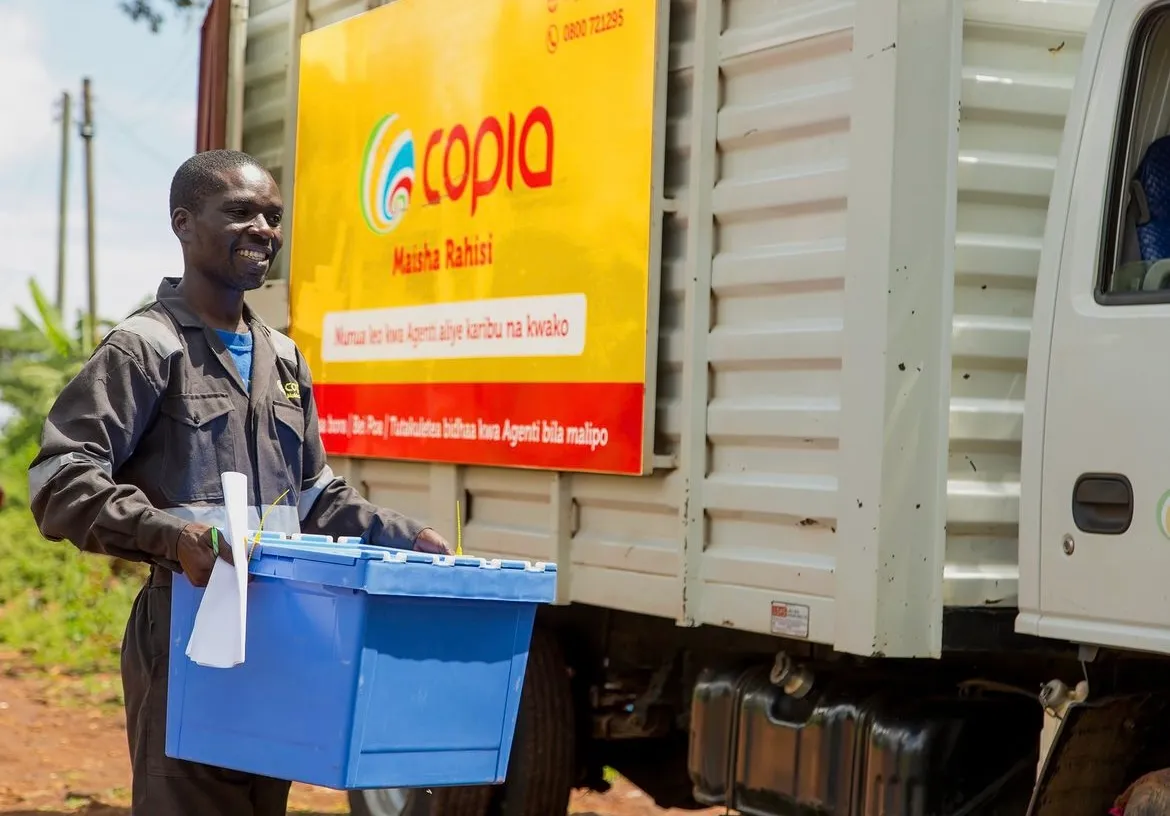
I’ve spent the last three hours fighting a weird race condition in my latest build, but honestly, the news about Copia in Kenya is giving me a bigger headache. Seeing a heavy hitter like that head to the High Court for insolvency isn't just another headline; it’s a reality check for anyone building in this space.
When we talk about "disrupting" e-commerce in Africa, we usually focus on the shiny stuff—the UI/UX, the payment gateways, the API integrations. But Copia’s situation proves that your tech stack doesn't mean much when the physical world starts pushing back. They tried to crack the rural and middle-income market, a sector that is notoriously expensive to serve. Now, their administrators are basically sifting through the wreckage to see if there’s anything worth salvaging.
The Logistics Trap
Building an app is the easy part. You can sit in a quiet workstation in Gbagada or a cool office in Jos and spin up a React frontend in a weekend. The real "war" starts when that order leaves the database and hits the road.

I remember talking to a founder friend in Akure who tried to run a delivery service for local farmers. He had the best tracking software I’ve ever seen. But software can’t fix a truck stuck in the mud or an "area boy" demanding a "settlement" at a makeshift checkpoint. Copia’s model relied on a massive network of agents, and while that’s great for trust, the operational overhead is a beast that never stops eating.
Software is the Easy Part
As developers, we like to think we can optimize our way out of any problem. We talk about "lean" operations and "scalable" architectures. But in the Nigerian or Kenyan context, scale often just means scaling your losses if the unit economics aren't tight.
If it costs you 2,000 Naira in fuel and "incidental expenses" to deliver a package that only nets you 500 Naira in profit, you aren't a tech company—you're a charity with a fancy dashboard. That's the "Sapa" reality of B2C e-commerce right now. People have limited disposable income, and the cost of reaching them is skyrocketing.

Reality Hits Different in the Trenches
I’m tired of the narrative that we just need more VC money to "bridge the gap." Copia raised millions, and they’re still facing the hammer. It makes me think about the products I’m building. Are we solving real friction, or are we just adding a digital layer to a fundamentally broken physical system?
In places like Onitsha or the chaotic markets of Owerri, people have been doing "e-commerce" via WhatsApp and bus drivers for years. It’s messy, it’s unoptimized, but it’s profitable because it doesn't try to fight the environment. It works with it.
Maybe the "Amazon of Africa" dream needs to be put to bed for a while. We need to stop obsessing over being the "everything store" and start focusing on being the "thing that actually works" without needing a billion dollars in subsidies.
No gree for anybody, especially not for a business model that burns cash faster than a Lagos danfo burns diesel. I'm going back to my code, but my mind is definitely on how to build things that actually survive the street.
Related from Nigeria
Let's build your next big product.
Accepting project-based freelance, remote engineering roles, and hybrid positions.