Fixing the 'I Have a Ball' Problem in African Cinema
Most AI translation tools think they know Yoruba until a character says they're pregnant and the subtitles say they're carrying a football. A few grads in Ota are finally trying to fix this mess.
I’ve heard some wild translations in my time, but "I have a ball" for "I am pregnant" takes the cake. That’s the kind of logic-defying output you get when you let a generic model trained on Western datasets try to parse the heavy, idiomatic weight of Yoruba. It’s funny until you realize someone spent thousands of dollars on a production only for the climax to become a meme for all the wrong reasons.
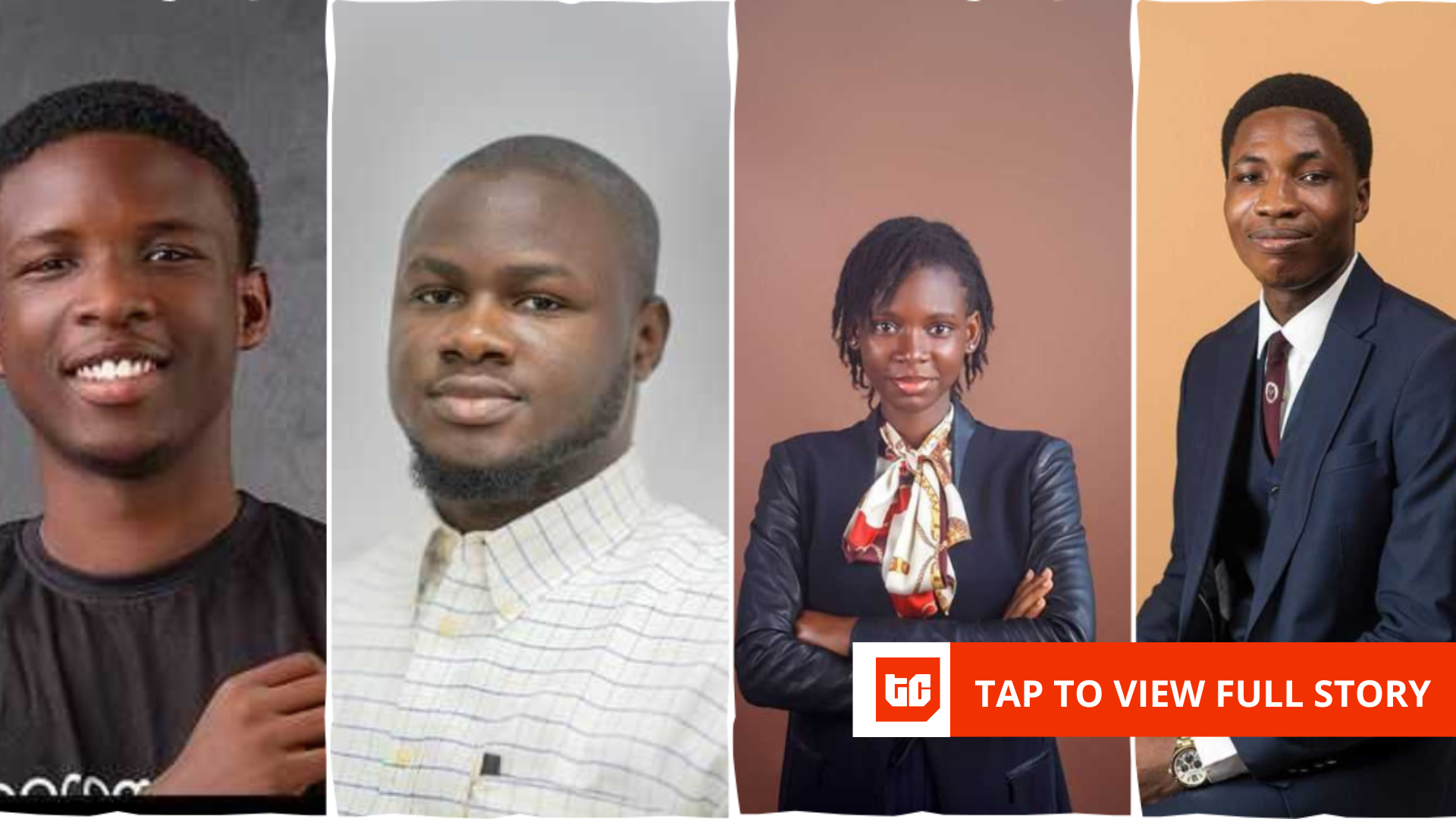
This is the exact wall Apotierioluwa Owoade and his team at Reedapt are trying to climb. If you've ever spent time in a Gbagada workstation or a crowded hub in Akure, you know the vibe—four guys, a bunch of laptops, and a problem that everyone else says is too expensive to fix.
The Ota Connection
What caught my eye wasn't just the AI angle; it was the origin story. Owoade and David Mac-Asore didn't just wake up and decide to build a startup. They cut their teeth at the Living Faith Church (Winners Chapel) headquarters in Ota.
If you know anything about the scale of things in Ota, you know that’s basically a high-stress production environment. Bridging the gap between English and French for a massive, global congregation is no joke. It's the ultimate sandbox for high-stakes tech. If your translation fails there, you aren’t just losing users; you’re losing the "spirit" of the message.

Why $500k is a Joke
The article mentions that translating a film can cost upwards of $500,000. For a filmmaker in Onitsha or a young director in Jos, that figure isn't just a hurdle; it’s a brick wall. It’s why so much of our content stays locked in its original language, never reaching the Francophone or Lusophone markets right next door.
From a developer's perspective, the "how" here is everything. You can't just plug in a basic speech-to-text API and call it a day. To get the nuance right, you need to understand the "emotional texture" of our languages. Our languages are tonal. They are rhythmic. They are filled with proverbs that would make a Silicon Valley LLM have a mental breakdown.
Execution over Hype
I’m naturally skeptical of "AI everything" these days. The hype is exhausting, and "Sapa" is real—we don't have time for tools that don't actually work. But seeing a team focused on the texture of the voice, rather than just the literal words, gives me some hope.
They’re trying to make sure voice actors aren't overstretched and underpaid, and that the final product doesn't sound like a robot reading a textbook. In a country where we "no gree for anybody," it’s good to see some local talent refusing to accept subpar tools.
Building this in Nigeria comes with its own set of "features"—power cuts during a long render, the occasional internet glitch, and the general chaotic energy of trying to innovate in a place that moves at 100mph. But if they can actually pull off high-quality dubbing for a fraction of that $500k price tag, they won't just be building a tool. They’ll be opening up a whole new world for African storytelling.
I’ll be watching this one. Not because of the AI buzz, but because I want to see if they can finally make sure that when a character says they're pregnant, the subtitles don't talk about football.
Related from Nigeria
Let's build your next big product.
Accepting project-based freelance, remote engineering roles, and hybrid positions.