No, I Don’t Have a Ball: Fixing Nollywood’s Broken Dubbing Problem
Building AI for African languages isn't just about the code; it's about making sure your Yoruba translation doesn't accidentally turn a pregnancy into a soccer match.
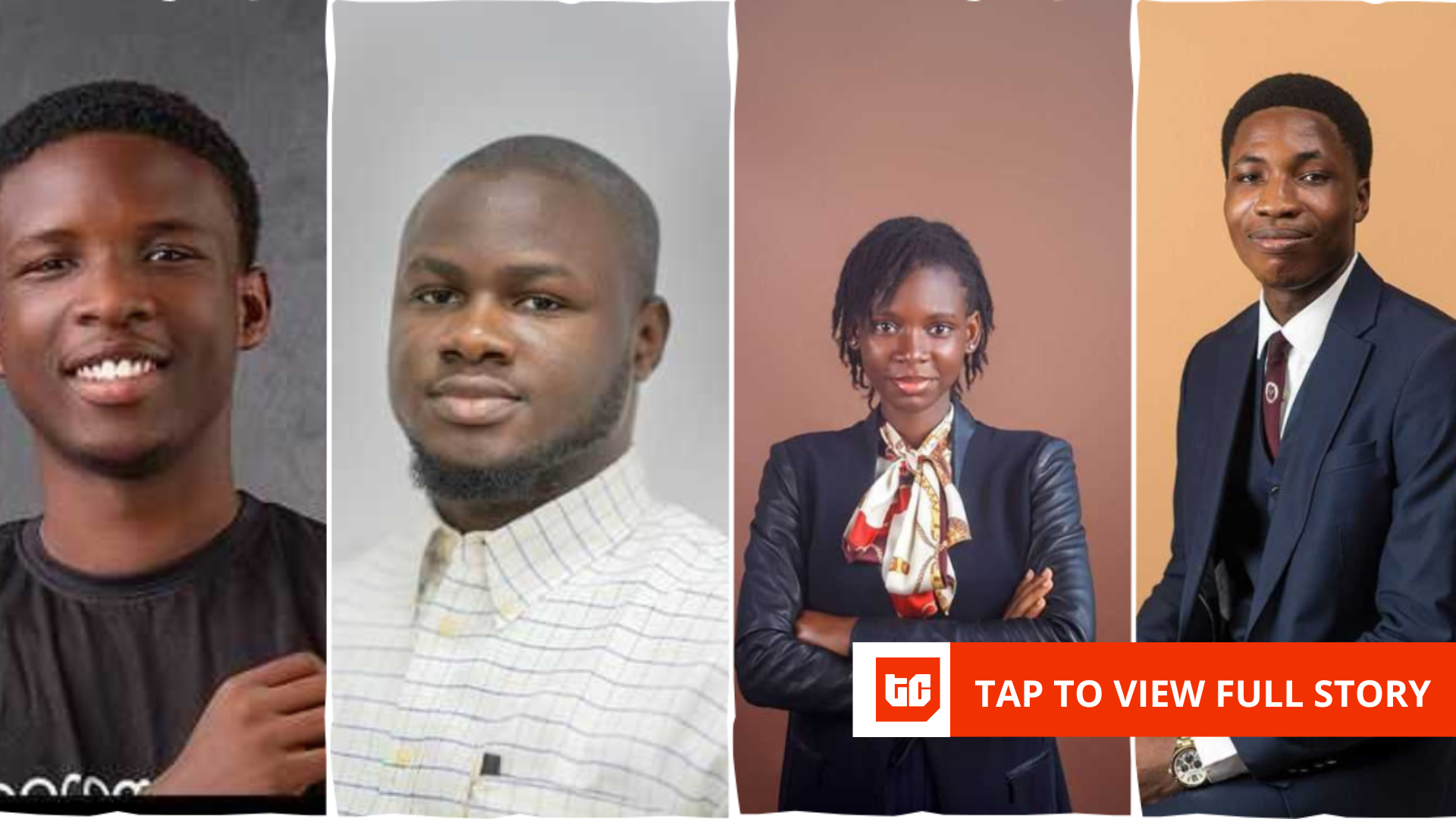
I was laughing my head off earlier today thinking about that Yoruba translation error Apotierioluwa Owoade mentioned: "I have a ball" instead of "I am pregnant." If you’re a dev in Nigeria, you know exactly why this happens. Most off-the-shelf AI models treat tonal languages like a suggestion rather than a rule. You miss one inflection in Yoruba or Igbo, and suddenly your dramatic movie scene becomes a comedy.
Seeing the team at Reedapt tackle this head-on makes my inner builder happy. They aren't just playing with API wrappers; they’re actually looking at the grit of the problem.
The $500k Paywall
I’ve met a few filmmakers in Surulere and even some of the newer guys working out of creative hubs in Owerri. The story is always the same: they have great content, but the minute you talk about "going global," the bill gets ridiculous. Apotierioluwa mentioned $500,000 for a full production dub. That’s not just expensive; it’s an "abandon project" level of cost for most local creators.

When you’re trying to stretch every Naira, and "Sapa" is breathing down your neck, you can’t afford human voice actors who are overstretched and underpaid to flatten the emotion of a scene. The UX of current dubbing tools is basically broken for us. If the tech doesn't understand the "vibe" of a Lagos market scene, it’s useless.
The Data Gap is Real
I really felt for Maryann Nnaji when she talked about her undergraduate thesis. Building a sign-language-to-speech model and hitting a wall because the research is all Western-centric? That’s the developer’s struggle in Africa in a nutshell. We spend 40% of our time building the tool and 60% of our time just trying to find data that actually looks like us, talks like us, and lives where we live.
Whether you're coding in a chilly room in Jos or a noisy Gbagada workstation, the "data gap" is the dragon we all have to slay. It’s why Reedapt (or the "Hagen Project" as they used to call it—love that gritty, early-stage name) is so important. They are trying to bridge that gap from the ground up, starting with their experience at Living Faith Church in Ota.
Execution Over Hype
What I like about this crew—Apotierioluwa, David, Maryann, and Emmanuel—is that they aren't just shouting "AI" to get VC attention. They saw the friction at Aforevo and decided to build a shovel for that specific hole.

Building a machine learning pipeline that handles the "nuance" of African tongues is a massive lift. We aren't just talking about text-to-speech. We’re talking about emotional texture. If a mother is crying in a scene, the dub shouldn't sound like a customer care bot from a bank.
Why This Matters for the Rest of Us
We often talk about the "next big thing," but usually, it's just a clone of a US startup. Reedapt feels different because it’s solving a uniquely local bottleneck. If they get this right, a filmmaker in Akure can export their movie to a French-speaking audience in Abidjan without losing the soul of the story or breaking the bank.

It’s that "No gree for anybody" mindset applied to tech. They saw the $500k price tag and said, "Nah, we can code our way out of this."
I’m curious to see how their 2025/2026 rollout handles more complex dialects. If they can solve the Yoruba tone issue, they’ve basically unlocked a goldmine for African content. I’ll be watching this one closely—and hoping I never have to hear "I have a ball" in a Nollywood drama ever again.
Related from Nigeria
Let's build your next big product.
Accepting project-based freelance, remote engineering roles, and hybrid positions.