Why Global Chaos Makes My Cloud Bill Bleed
When the US pulls troops out of Germany and politics gets messy, my AWS bill usually starts sweating. Here is why the local dev can't ignore the global noise.
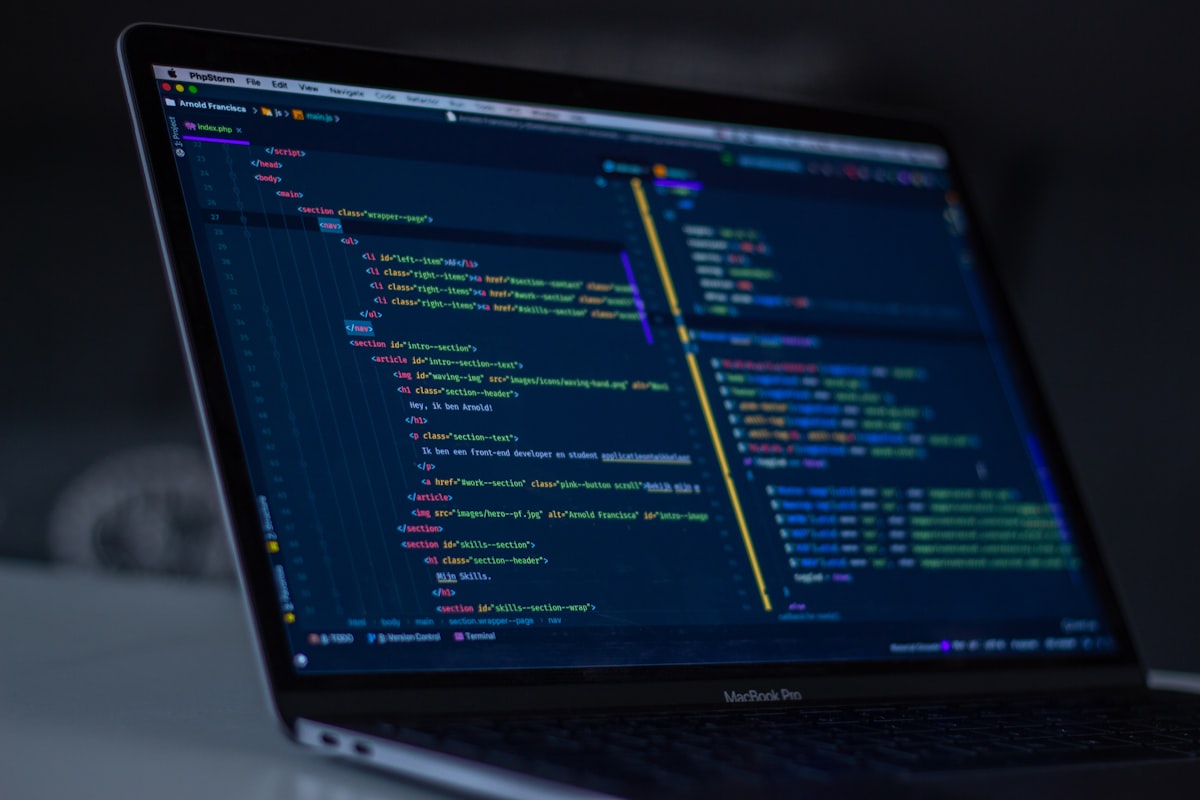
I woke up in Jos this morning to a cold room and a notification feed that looked like a script for a thriller. The US is pulling five thousand troops out of Germany, and the news is buzzing about "terminated" hostilities in Iran. To someone sitting in an office in Gbagada or a workstation in Akure, this might seem like background noise. But for those of us building products, this stuff is actually quite expensive.
Every time the global "rift" between major powers expands, the markets get jumpy. And when markets get jumpy, the Naira starts doing gymnastics. I’m not here to talk about international relations, but I am here to talk about the price of a MacBook Pro at Otigba.

The Volatility Tax on Your Stack
When you see headlines about the US withdrawing troops or political deadlines being hit, think about your tech stack. Most of us are building on top of infrastructure priced in dollars. We use AWS, Vercel, or Supabase. If global tension shifts the exchange rate by even 5%, that’s a direct hit on the runway of every startup in Nigeria.
It’s the "Sapa" struggle, but for servers. You’re trying to optimize a SQL query while also checking if you need to move your hosting to a cheaper provider because the global mood changed overnight. We’re essentially paying a volatility tax just for being part of the global internet.
Build Like the World is Twitchy
This news about Senate races and "disastrous trends" in Europe reminds me why we have to "no gree for anybody" when it comes to our code. You can't control the Pentagon, but you can control your cache logic.
If the world is going to be this unpredictable, our apps have to be the opposite. I’ve been thinking a lot about building offline-first. Not just because the data in Nigeria is a joke sometimes, but because being less dependent on a constant, expensive cloud connection is just better engineering in 2026.

The Local Hustle vs. Global Noise
I saw a guy in Onitsha last week running a whole logistics business off a refurbished ThinkPad and a dream. He doesn't care about troop withdrawals in Germany, yet the price of the parts he needs for his delivery bikes is tied to the same news cycle.
As developers, we are the bridge. We’re the ones who have to figure out how to keep the "Buy" button working when the payment gateway is lagging because of some weird global routing issue or a sudden spike in transaction fees.
It’s exhausting. You spend all day debugging a React component only to realize the real bug is that the world is a bit chaotic right now.

What Now?
We keep shipping. That’s the only answer. Whether Trump hits a congressional deadline or the UK prime minister is dealing with protests, the guy in Owerri still needs to send money to his mom, and the student in Akure still needs to access her course materials.
If the global tech market is a yawning rift, we’re the ones building the rope bridges. Just make sure your bridge is written in clean, scalable code—because the wind is definitely blowing.
Related from Engineering
Let's build your next big product.
Accepting project-based freelance, remote engineering roles, and hybrid positions.