Coding for Hospitals Where the Light Goes Out
Finally, a healthtech startup that realized you can't sell software to a building with no electricity. Here is why Primed E-Health's $4M raise actually makes sense to me.
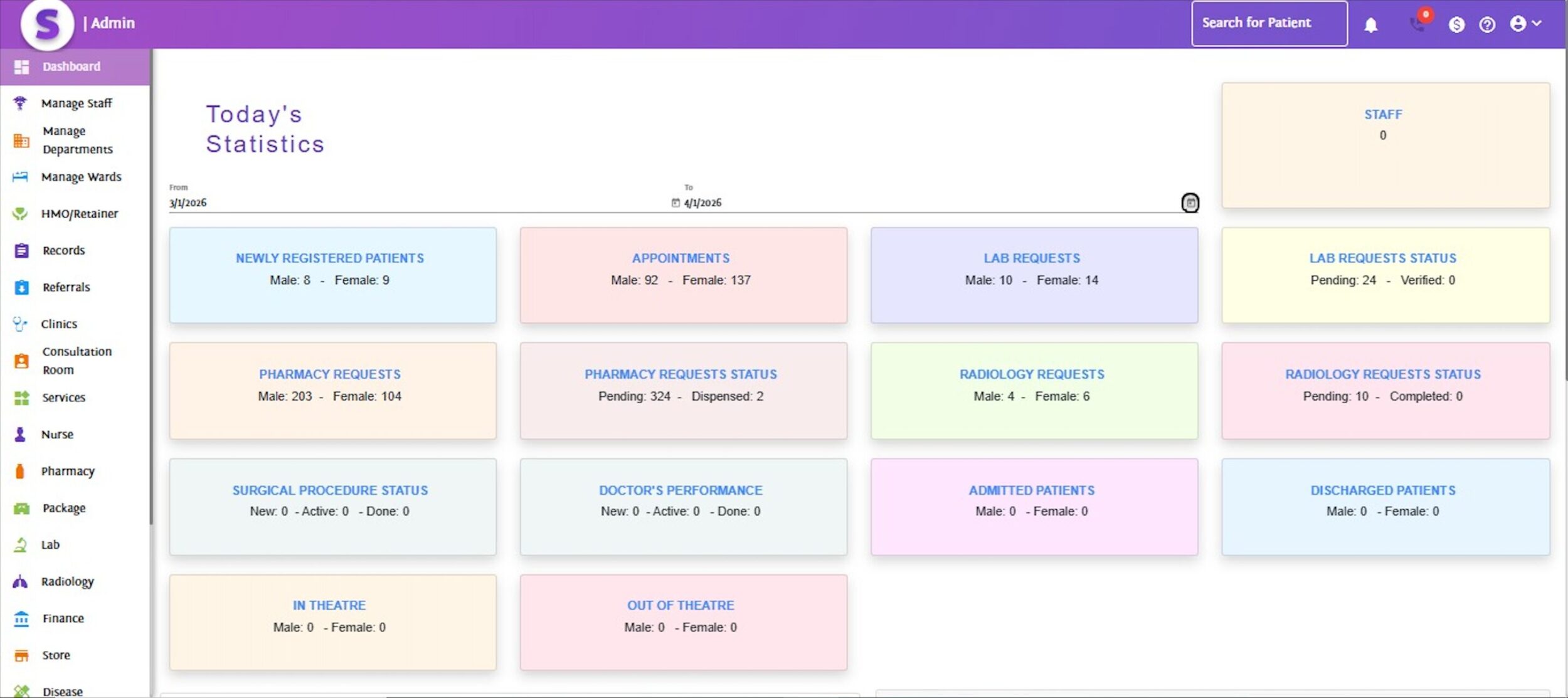
I’ve spent enough time in Gbagada workstations to know that the best software in the world is useless if the router dies or the gen runs out of diesel. That’s why the news about Primed E-Health raising $4 million for their Series A caught my eye. They aren't just shipping code; they are shipping solar panels.
Most founders I talk to want to build the "Uber for X" or some fancy AI layer, but they forget that in places like Jos or Owerri, the basics are still a fight. Dr. Abdulhafiz Are actually gets it. He saw that doctors in places like the Jos University Teaching Hospital (JUTH) weren't the problem—the broken, paper-heavy, dark-mode-because-the-power-is-out systems were.
Solving the Power Problem First
You can't build a digital Health Information Exchange if the hospital clerk is squinting at a paper ledger by candlelight. Primed’s approach to install solar power as part of their tech stack is the most "Nigerian" solution I’ve seen in a while. It’s practical. It’s "No gree for anybody" applied to infrastructure.

From a dev perspective, imagine trying to maintain data consistency when your servers (or the client’s workstations) are flickering on and off. By controlling the power layer, they ensure their "operating system" for hospitals actually stays online. That’s a massive UX win that has nothing to do with CSS or button placement.
The Revenue Loop That Actually Works
I’m usually skeptical about big valuations, especially a $20 million pre-money tag in this economy. But look at their numbers: they’ve done $2 million in revenue since 2019 and they’re actually profitable now. In a world where people are burning VC cash to find a "product-market fit," these guys found a way to make the hospitals pay for the value they get.
Their model is punchy. A monthly fee, a registration fee for new patients, and a tiny fee for every interaction. It’s like a micro-transaction model for real life. If they hit that 800-hospital target, the math starts looking very interesting. As a builder, I love seeing a product that doesn't rely on "vibes and inshaAllah" but on actual transactional volume.

Scaling Beyond the "Big Cities"
It’s easy to build for Lagos. It’s hard to build for Aminu Kano Teaching Hospital or University College Hospital Ibadan. The tech scene in places like Akure or the hustle in Onitsha is different. You deal with different connectivity issues, different user behaviors, and a whole lot more skepticism.
The fact that they are planning to take this into Kenya and Uganda tells me they think this "infrastructure-first" model is the blueprint for the rest of the continent. And honestly? They might be right. If you can solve for a hospital in Nigeria where the grid is a suggestion, you can solve for almost anywhere.
I’m curious to see how their "AI layer" turns out. We’ve all seen enough "AI-powered" pitches to be a bit tired, but if they use it for things like drug inventory alerts or lab test suggestions at the point of care, it could actually save lives, not just generate fancy charts.
For now, I’m just glad to see a Nigerian team building something that isn't just another fintech app for people who already have five bank accounts. They are digging into the messy, unglamorous work of fixing how we stay alive. That's worth the $4M in my book.
Related from Nigeria
Let's build your next big product.
Accepting project-based freelance, remote engineering roles, and hybrid positions.