Dodai's Electric Charge: A Nigerian Founder's Thoughts on Infrastructure & Opportunity
Woke up to news about Dodai raising $13M for electric bikes and battery swapping in Ethiopia. It got me thinking, if a whole government decides to push a market, the potential for builders like us is enormous, especially when the solution hits a raw nerve like mobility and power.
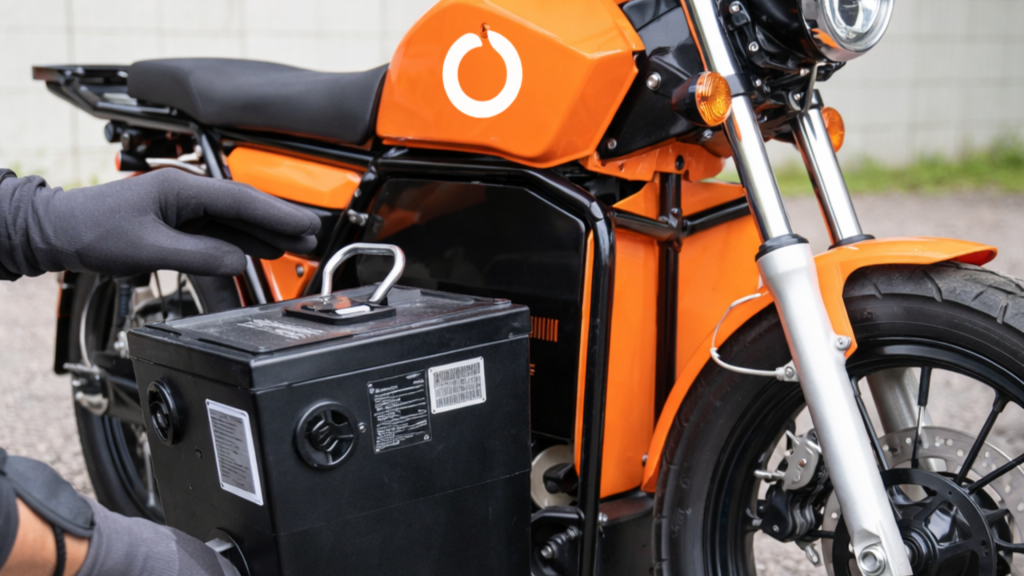
Just finished a late night debugging session, the hum of the generator still a low thrum in my ears as I sipped cold tea this morning. Then I saw this TechCabal headline: Dodai in Ethiopia just bagged $13 million to scale their electric motorbike and battery-swapping network. My first thought? Gidigba! That's a massive win, but also, a potent reminder of what can happen when the ecosystem aligns.
The Power of "How" – Dodai's Engineering Play
What Dodai is doing isn't just selling bikes; they're building an ecosystem. Think about it: local assembly, then a network of battery-swapping stations. From a developer's standpoint, this is a beautiful beast of a problem to solve. You're looking at robust IoT infrastructure for those swapping stations, ensuring real-time battery status, charge levels, and availability. Then there's the backend system managing inventory, user accounts, payment processing, and logistics for battery replenishment.

Government and Grit: Ethiopia's Unfair Advantage?
Here's where it gets interesting. Ethiopia banned the import of private internal combustion engine (ICE) vehicles in 2024, extending it to trucks in 2025. That's not just a nudge; it's a full-on shove into the EV future. They've already got 100,000 EVs on the road.
Now, imagine if our government here in Nigeria made such a decisive move. We talk about climate change, about reducing reliance on fossil fuels, but the policy push is often fragmented or non-existent. Dodai chose Ethiopia, as their founder Yuma Sasaki put it, "because that’s where the opportunity to build from first principles really exists." That "first principles" bit? That's what happens when the government lays a clear path. We, as founders, are left to wrestle with grid stability, fuel scarcity, and inconsistent policies even as we try to build amazing things. It’s the difference between building on bedrock and building on shifting sand.
The Nigerian Angle: Our Own 'Okada' Revolution
The potential for this kind of model in Nigeria is immense. Our reliance on two-wheelers for mobility and logistics across cities like Ibadan, Kano, and even the chaotic energy of Lagos, is undeniable. Imagine the impact on sapa if an okada rider could drastically cut down on fuel costs and just pay for battery swaps. It’s not just about clean air; it’s about economics for the average person hustling to make a living.

Dodai plans to scale to 30,000 users and 1,000 stations in Addis Ababa before expanding to other African cities from 2028. This isn't just an Ethiopian story; it's a blueprint for the continent. It’s about solving fundamental problems – energy, mobility, economic access – with smart tech and robust execution.
What We Need to See
This kind of success reminds me why I keep building, even with all the Nigerian wahala. It shows what's possible. We need clear regulatory frameworks, investment in basic infrastructure (hello, stable electricity!), and a willingness from the top to create a conducive environment for innovation. It's not just about foreign investment; it's about local talent having the space and support to build solutions that truly transform lives.
Dodai's $13 million isn't just money; it's a validation of a model that's addressing a deep need, backed by smart engineering and a supportive policy environment. Something for us to think about as we forge ahead, one line of code, one product, one user at a time. The future of mobility in Africa? It's electric, and it's happening, one battery swap at a time.

Related from Nigeria
Let's build your next big product.
Accepting project-based freelance, remote engineering roles, and hybrid positions.