Why 'UP NEPA' Needs an API: My Take on the Smart Grid Talk
The power grid is basically a legacy monolith that needs a serious refactor. Here is why the 'Smart Grid' hype actually matters for those of us tired of the 2 AM inverter beep.
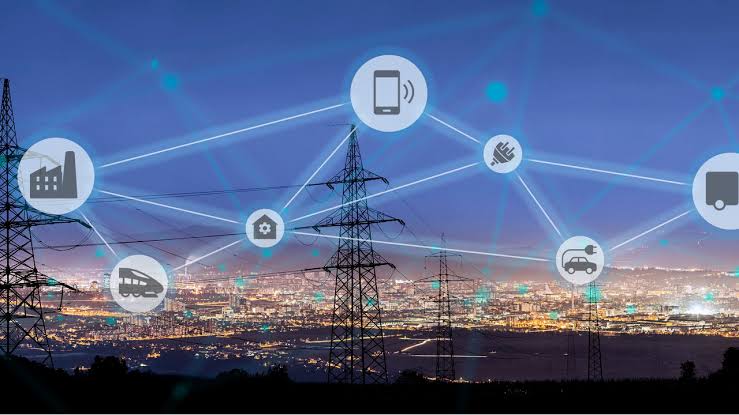
My inverter started that high-pitched "I’m about to give up on you" beep at 3 AM last night while I was midway through a push to staging. If you’ve ever lived in a neighborhood where the transformer decides to take a sabbatical every two weeks, you know that specific flavor of anxiety. We talk about the "Smart Grid" like it’s some futuristic sci-fi concept, but for those of us building products in Nigeria, it’s literally a matter of life, death, and server uptime.
The Power Grid is Just a Messy Monolith
As a dev, I look at our current electricity setup and see a massive, undocumented legacy system. It’s a monolith with no error logging. When a fuse blows in a street in Owerri or a feeder trips in Gbagada, the "system" doesn't know until someone starts calling a guy who knows a guy at the disco.
A smart grid is essentially a refactor of this entire mess. It’s about moving from a "push" system—where we just dump power into lines and hope for the best—to an "event-driven architecture." We need sensors at every node, smart meters that act as edge devices, and a backend that can handle real-time data ingestion.

Why "Smart" is More Than Just a Buzzword
The article mentions detecting faults quickly and adjusting supply based on demand. For me, that’s the equivalent of having a solid CI/CD pipeline with automated rollbacks.
Imagine if the grid could "see" that everyone in a specific cluster in Akure just turned on their ACs at 7 PM. Instead of the whole transformer blowing up (the ultimate 500 Internal Server Error), the smart grid could throttle non-essential loads or pull extra juice from a local solar farm. It’s about intelligence at the edge.
We have people building incredible things in tech hubs from Port Harcourt to Kaduna, but we’re all fighting the same boss: unpredictable power.
The Hardware Bottleneck and the "Sapa" Factor
We can write the cleanest Python or Go code to manage energy distribution, but the physical layer is where the "No gree for anybody" mindset of our current infrastructure hits home.
The cost of upgrading these systems is insane. Who pays for the smart meters? If we pass that cost to the user, "Sapa" will enter the chat real quick. But the alternative is staying in the dark. We need a way to build this incrementally. We don't need a total system rewrite on day one; we need better "APIs" between our local solar setups and the national grid.

What I Actually Want to See
I’m tired of seeing power as this mysterious force that only "NEPA" controls. I want to see:
- Open Data: Let us see the load on local transformers in real-time. If I know the grid is struggling, I’ll wait to run my heavy compute tasks.
- True Net Metering: If my solar panels in Jos are over-producing on a Saturday morning, let me sell that back to the grid for credits. Don't make me "waste" it.
- Automated Fault Reporting: No more looking for a ladder and a torch to see which fuse burnt out. The grid should tell the repair team exactly where the bug is.
Electricity shouldn't be about luck. It should be about data and execution. The smart grid revolution isn't just about "light"; it's about making sure the code we're writing today actually has a machine to run on tomorrow.

Related from Nigeria
Let's build your next big product.
Accepting project-based freelance, remote engineering roles, and hybrid positions.