The $855 Million Bet That Actually Paid Off
If that 2001 GSM auction didn't happen, we'd still be queueing at NITEL offices just to send a 'ping'. Here is why every line of code I write owes a debt to that moment.
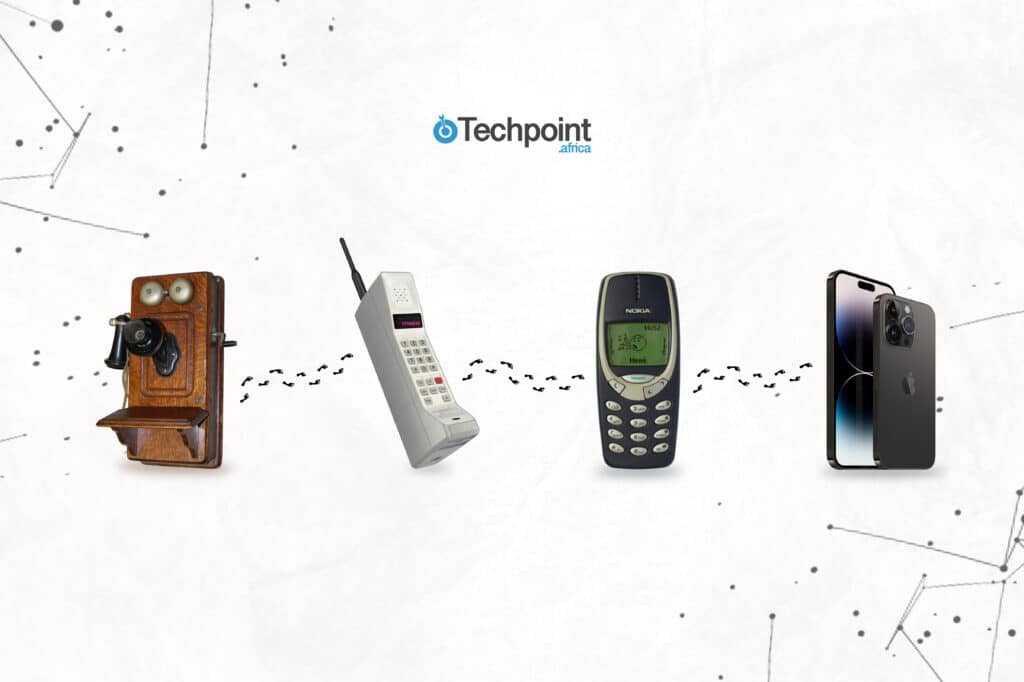
Imagine trying to debug a production error over a landline that only works when the weather is clear and the technician is in a good mood. That was the reality before 2001. We weren't just "behind" the rest of the world; we were playing a completely different game—one where "connectivity" was a luxury for the 1% and the rest of us just hovered around "Coming Soon."
The 2001 GSM license auction wasn't just some high-level government meeting. It was the moment someone finally smashed the glass ceiling of a monopoly that was suffocating our potential. Spending $855 million back then sounded insane to some, but looking back from my desk today, it was the cheapest foundation we ever bought.
The Monopoly Era Sucked for Builders
Before MTN and Econet (now Airtel) showed up, if you wanted to build something that required real-time communication, you were basically dreaming. NITEL was a brick wall. I remember stories of people waiting years—literally years—just to get a phone line installed.
As a developer, your stack is only as good as the rails it runs on. Without that auction, there is no GPRS, no 3G, and definitely no 5G. We wouldn't be talking about the "fintech boom" in Lagos or the growing dev community in Akure. We’d be stuck in a loop of building offline desktop apps that nobody could update.

From "No Service" to "No Gree For Anybody"
The jump from zero to one is always the hardest. When those licenses were sold, it didn't just bring SIM cards; it brought an infrastructure mindset. Suddenly, we had to figure out how to keep base stations running in places where the grid was a joke. We had to learn how to scale systems for millions of users who were hungry for data.
That "hacker" energy—the one where we figure out how to make things work despite the environment—started right there. Whether you're coding in a cold room in Jos or fighting the heat in a Gbagada workstation, that resilience is baked into our DNA because our tech foundation was forged in a high-stakes, high-cost environment.

Why This Matters for Your Current Sprint
I see a lot of young devs complaining about slow internet or high data costs—and trust me, the Sapa struggle is real. I’ve been there, tethering my laptop to a phone with one bar of signal, praying the deployment finishes before the data bundle expires.
But we forget that the very fact we can tether, that we can push to GitHub from a bus park in Owerri, is because that monopoly was broken 25 years ago. The foundation of the Nigerian tech economy isn't just "innovation"; it's the fact that we finally got the tools to talk to each other without asking for permission.
We Are Still Building on That Risk
Every time I look at a Stripe or Paystack API integration, I think about the connectivity required to make that handshake happen in milliseconds. That speed started with an auction. We moved from a country that couldn't make a phone call to a country that processes billions in digital transactions.
We shouldn't just look at that $855 million as a historical fact. It’s a reminder that sometimes, you have to break the old system completely to build something that actually scales. We need more of that "break the monopoly" energy in our current sectors—whether it's power, transport, or even how we handle local hosting.
The auction was the "Hello World" of Nigerian tech. Now, we’re finally writing the actual logic. Let’s make sure we don't waste the bandwidth.
Related from Nigeria
Let's build your next big product.
Accepting project-based freelance, remote engineering roles, and hybrid positions.