$23 Million to Keep the Servers Humming
Absa Kenya is dropping 3 billion shillings a year on tech. For those of us building in the trenches, that's a lot of server uptime and fewer headache-inducing branch visits.
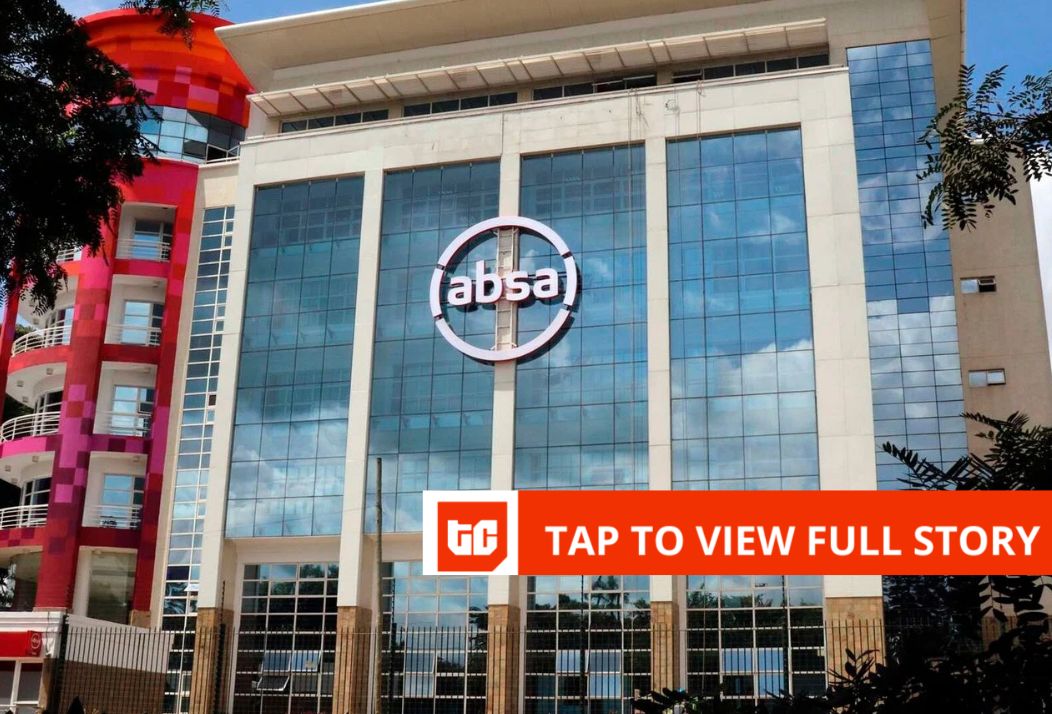
There is nothing that humbles you like a "Transaction Failed" notification when you are standing at a POS terminal in a rowdy market, sweating under the sun. You’ve got the goods, the vendor is looking at you with a side-eye, and the bank app is just spinning. We’ve all been there. It’s that specific brand of "Sapa" anxiety that hits when the technology we rely on decides to take a nap.
So, when I see Absa Kenya announcing they’re dumping $23.2 million every single year into their digital push, my inner developer doesn't see "corporate investment." I see a massive attempt to kill off that "spinning wheel of death" and keep their systems from folding under pressure.

Moving the Heavy Metal
$23 million is a lot of cloud credits, man. But let’s be real—banking tech is heavy. We’re not talking about a simple CRUD app built over a weekend in a Gbagada co-working space. This is legacy stuff. Migrating transactions to digital platforms means they are likely fighting monsters in the backend—ancient COBOL systems or messy middleware that was never meant to handle the "instant" demands of the 2020s.
They mentioned that 94% of their transactions now happen outside the branch. That’s wild. A decade ago, it was half that. It reminds me of how things are shifting here too. Most of my friends in Akure or the guys I know running businesses in Onitsha haven't stepped into a physical bank hall in months. The "No gree for anybody" mindset applies to our time too—why wait in a queue for two hours to move money when you can do it while eating breakfast?
Poaching the Giants
What really caught my eye wasn't just the cash, but the talent. They hired Sitoyo Lopokoiyit, the former M-Pesa Africa CEO. That’s a massive move. It’s like a startup founder finally convincing that one "10x dev" to leave a cushy FAANG job to come help fix a scaling problem.
If you’ve ever used M-Pesa, you know it’s the gold standard for "it just works." Bringing that DNA into a traditional bank tells me Absa is tired of playing defense against fintechs. They want that seamless, "don't make me think" user experience. As someone who spends half my day obsessing over button placements and API latency, I respect the hustle. They know that if the app is clunky, people will just move their money to the next shiny neobank.

The Bottom Line for Us
Their cost-to-income ratio dropped from 46% to 36.5%. For the non-technical folks, that basically means they’re becoming a leaner machine. Automation is doing the heavy lifting that human tellers used to do.
But here’s the thing: as they spend these millions, the bar for every other dev in Africa goes up. Whether you’re building a small e-commerce site in Jos or a fintech play in Lagos, your users are getting used to "bank-grade" speed. We can’t afford to ship buggy code anymore.

I’m curious to see how this plays out over the next year. Will that $23 million actually result in zero downtime during peak hours? Or will it just be more "shiny" features that nobody asked for? I'm hoping for the former. I’m tired of the "spinning wheel" and I’m sure the guys in Nairobi are too.
Time to get back to my own terminal. Those bugs aren't going to fix themselves while I'm out here reading about Kenyan bank budgets. Stay building.
Related from Nigeria
Let's build your next big product.
Accepting project-based freelance, remote engineering roles, and hybrid positions.