Getting Past the 1% Filter
Google just picked their latest cohort, and it's a reality check on what it takes to scale. Four Nigerian startups made the cut, and the shift toward 'AI-native' isn't just marketing—it's survival.
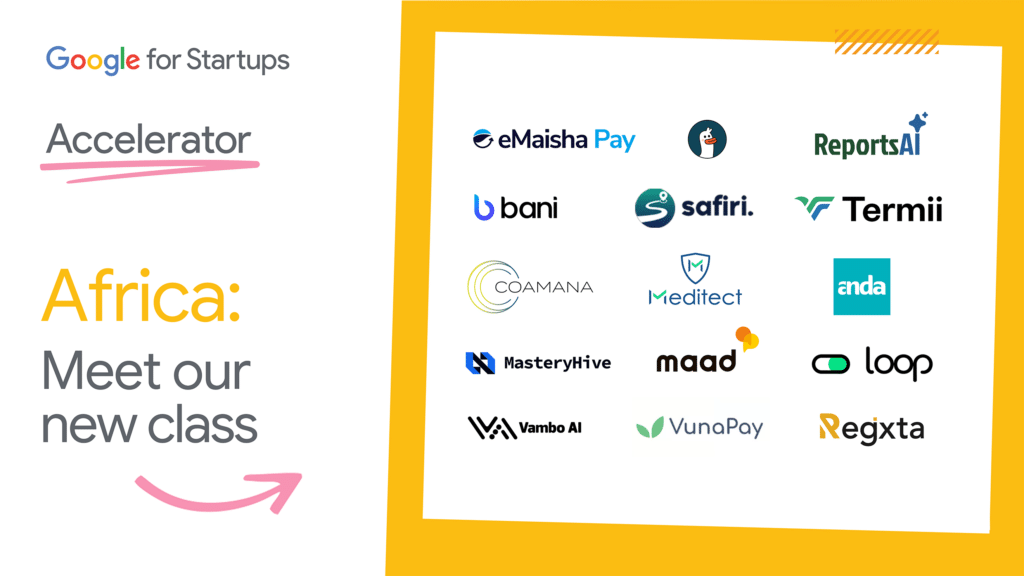
I remember sitting in a cramped workstation in Gbagada a few years ago, trying to explain to a client why their payment gateway kept failing. We weren't even talking about AI back then; we were just trying to make sure a transaction didn't disappear into the ether. Seeing the news that Google picked four Nigerian startups—Bani, MasteryHive AI, Regxta, and Termii—for their 10th accelerator cohort feels like a massive leap from those "hope it works" days.
The acceptance rate was less than 1%. That’s 2,600 applications for 15 slots across Africa. If you’ve ever tried to push a build while your inverter is screaming at you because the grid went down again, you know that making it into that 1% isn't just about a polished pitch deck. It’s about being stubborn enough to build infrastructure where none exists.
Moving Beyond the Wrapper
What caught my eye is the pivot toward "AI-native" solutions. For a while, the tech scene here felt like a race to build the "Uber for X" or yet another generic fintech app. But looking at this list, the focus is shifting to the plumbing—the deep-tech stuff that actually keeps the lights on.

Take Termii, for instance. They’ve been in the game for a while, but their new focus on AI-powered communications for financial messaging is critical. If you’ve ever waited twenty minutes for a bank OTP while trying to pay for a meal in a busy spot in Owerri, you know that "reliable messaging" is a life-saver, not a luxury.
Then there’s Bani and Regxta. Bani is tackling the nightmare of cross-border settlements. As someone who has spent hours trying to figure out how to receive payments for a freelance gig without losing 20% to "middleman fees" and "Sapa-inducing" exchange rates, I’m rooting for them. Regxta is doing the hard work of using alternative data for credit scoring. They aren't just looking at bank statements; they are looking at the hustle of microbusinesses that usually get ignored by the big banks.
The Developer's Burden
As a dev, I’m curious about the tech stack behind MasteryHive AI. Automating transaction reconciliation and fraud detection isn't just about slapping an OpenAI API onto a dashboard. It’s about handling massive amounts of messy, unstructured data from different sources and making sense of it in real-time.

We often talk about AI as this magical thing, but on the ground in Nigeria, it’s about execution. How do you keep your models running when the latency is trash? How do you ensure your "AI-native" solution doesn't break when a service provider goes offline for three hours? These founders are basically building the engine while the car is moving at 100km/h on a road full of potholes.
No Gree for Anybody
There’s a specific "No gree for anybody" energy you need to build tech in this ecosystem. Whether you’re coding in a quiet corner in Akure or navigating the chaos of a hub in Lagos, the challenges are unique. Google providing mentorship and a global network is great, but the real magic is how these teams are tailoring global tech to fit local problems.
We’ve moved past the phase where "digital transformation" was just a buzzword for putting a paper form on a website. These startups are digging into the infrastructure. They are trying to solve the "stubborn" problems—the ones that don't go away with a simple UI refresh.
I’m excited to see how these four teams use the Google resources. Not just for the "clout" of being in an accelerator, but for the technical support to make their systems more resilient. Because at the end of the day, a founder in Nigeria isn't just competing with the guy in Silicon Valley; they are competing with the environment itself. And from the looks of it, we’re starting to win.
Related from Nigeria
Let's build your next big product.
Accepting project-based freelance, remote engineering roles, and hybrid positions.