The 'Insufficient Balance' Struggle: Why Our Safety Net Just Snapped
MTN and Airtel pulled the plug on airtime loans, and it’s a masterclass in how regulatory technical debt can break a user experience overnight.
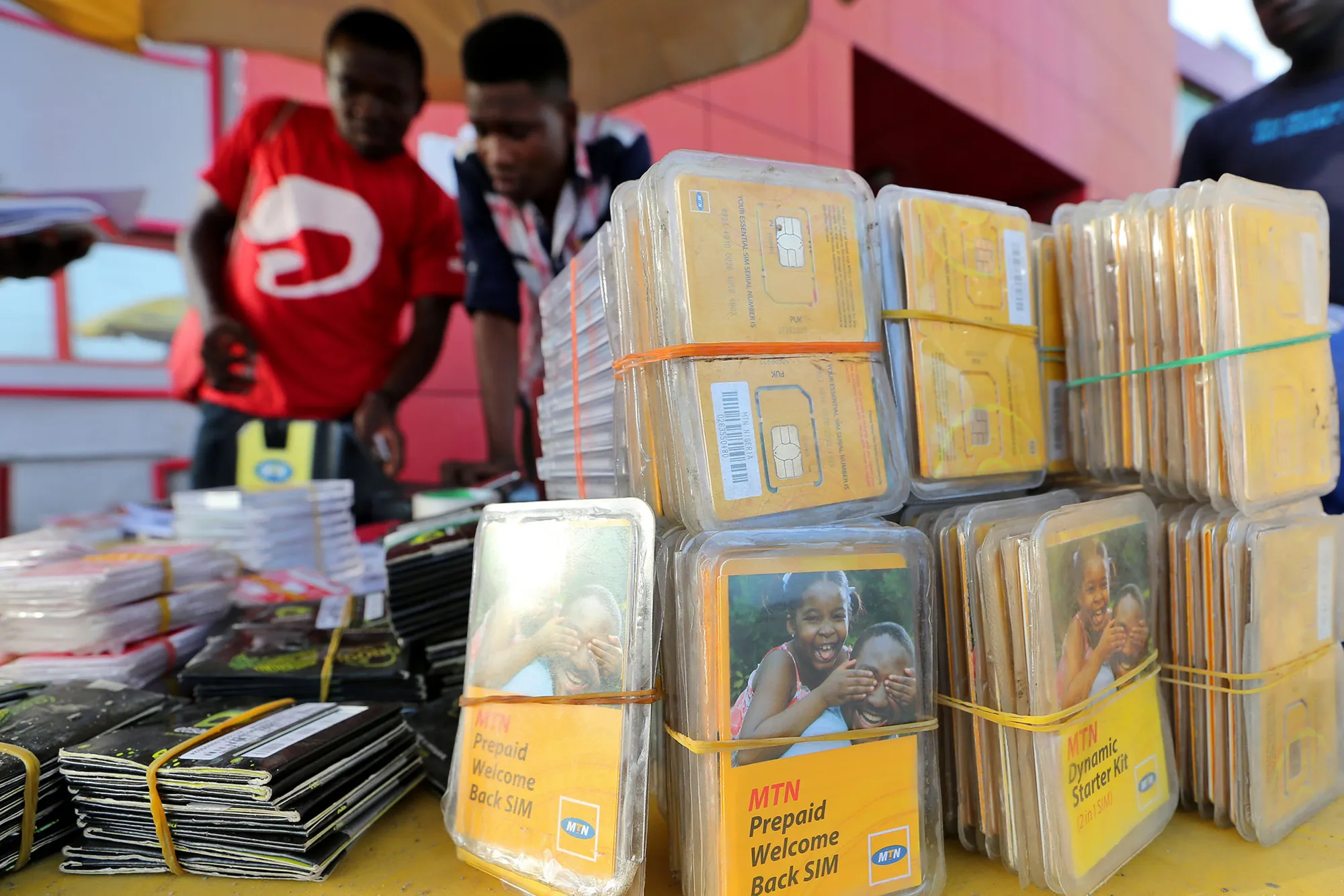
That heart-sinking moment when you’re about to join a Google Meet and your data suddenly expires—we’ve all been there. Usually, you’d just dial *606# or *500# to grab a quick loan and keep the hustle moving. But if you’ve tried that in the last 48 hours, you probably got a dry error message instead. MTN and Airtel have hit the pause button on Xtratime and their data lending services, and honestly, the timing couldn't be worse for the average Nigerian trying to survive Sapa.
It’s Always the Compliance Sprint
As a dev, I know exactly what’s happening behind the scenes. This isn’t a technical glitch; it’s a "regulatory refactor." The FCCPC dropped some heavy rules back in 2025—the Digital, Electronic, Online or Non-Traditional Consumer Lending (DEONCL) Regulations. Essentially, the government decided that if you’re lending airtime or data, you’re basically a digital bank and need to play by those rules.

The telcos were given a deadline to get their licenses and transparently disclose their fees. They missed it. Now, instead of risking massive fines, they’ve just pulled the feature entirely while they scramble to fix their backend flows. It’s the classic "move fast and break things" meeting the "move slow or get fined" reality of the Nigerian ecosystem.
The Problem with Third-Party Spaghetti
One thing the FCCPC mentioned caught my eye: "exclusionary third-party technical arrangements." In plain English? The telcos have been using some pretty opaque middleware to handle these loans. If you’ve ever wondered why a 100 Naira loan suddenly turns into 115 Naira or why deductions happen when you haven't even used the data, that’s the "technical debt" the regulator is trying to scrub clean.
I’ve seen how these integrations look. You have the core telco infrastructure talking to a third-party lending engine, which then talks to a risk assessment API. Somewhere in that chain, the transparency gets lost. The FCCPC wants the code to be cleaner and the terms to be clearer. While I hate that we can't borrow data right now, I don't hate the idea of knowing exactly why my balance is disappearing.

Real-World Friction
Think about the guy in a bus park in Owerri trying to call his plug, or a student in Akure trying to submit an assignment at 11:59 PM. These aren't "financial products" to them; they are lifelines. When you pull a feature like this without a seamless transition, you're not just "aligning with requirements"—you're breaking the daily workflow of millions.
We talk a lot about the "No gree for anybody" mindset, but it’s hard to "no gree" when you have zero bars and no way to top up because the banking app is also acting up. This suspension shows just how much we rely on these micro-credit features.
Moving Forward
The telcos say this is temporary. For their sake—and our collective sanity—I hope it is. They need to get their licensing sorted and probably rebuild their lending modules to be more "FCCPC-friendly."

For the rest of us building products in Nigeria, there's a lesson here. Don't wait for the regulator to knock on your door with a 90-day ultimatum. If your "innovative feature" looks, walks, and talks like a regulated service, start working on that compliance early. Otherwise, you’ll end up like our big telco friends—sending out "temporary suspension" notices while your users are left stranded in the digital dark.
Back to the terminal. I've got my own bugs to squash before the next policy shift hits my stack.
Related from Nigeria
Let's build your next big product.
Accepting project-based freelance, remote engineering roles, and hybrid positions.