$100 Million for an Upgrade? Let’s Talk About the Banking Tech Grind
Access Bank is pivoting to be the world's gateway while Zenith drops a cool $100m on core systems. Here's what that actually looks like from the developer's chair.
My jaw dropped a bit when I saw Zenith Bank spent $100 million just to upgrade their core banking systems. As someone who has spent late nights in a Gbagada workstation debugging a legacy API that refused to play nice with a modern frontend, I can only imagine the sheer amount of technical debt that money is trying to bury. $100 million isn't just a "software update"; that’s a "we are ripping out the entire foundation while the house is still standing" kind of move.
Nigeria’s banking sector is currently sitting on 61% of the country’s total brand value. That’s NGN 3.05 trillion. While the rest of us are out here battling "Sapa" and trying to keep our AWS bills from skyrocketing due to the exchange rate, the big banks are playing a completely different game.
The Access Bank Pivot: More API, Less Branch?
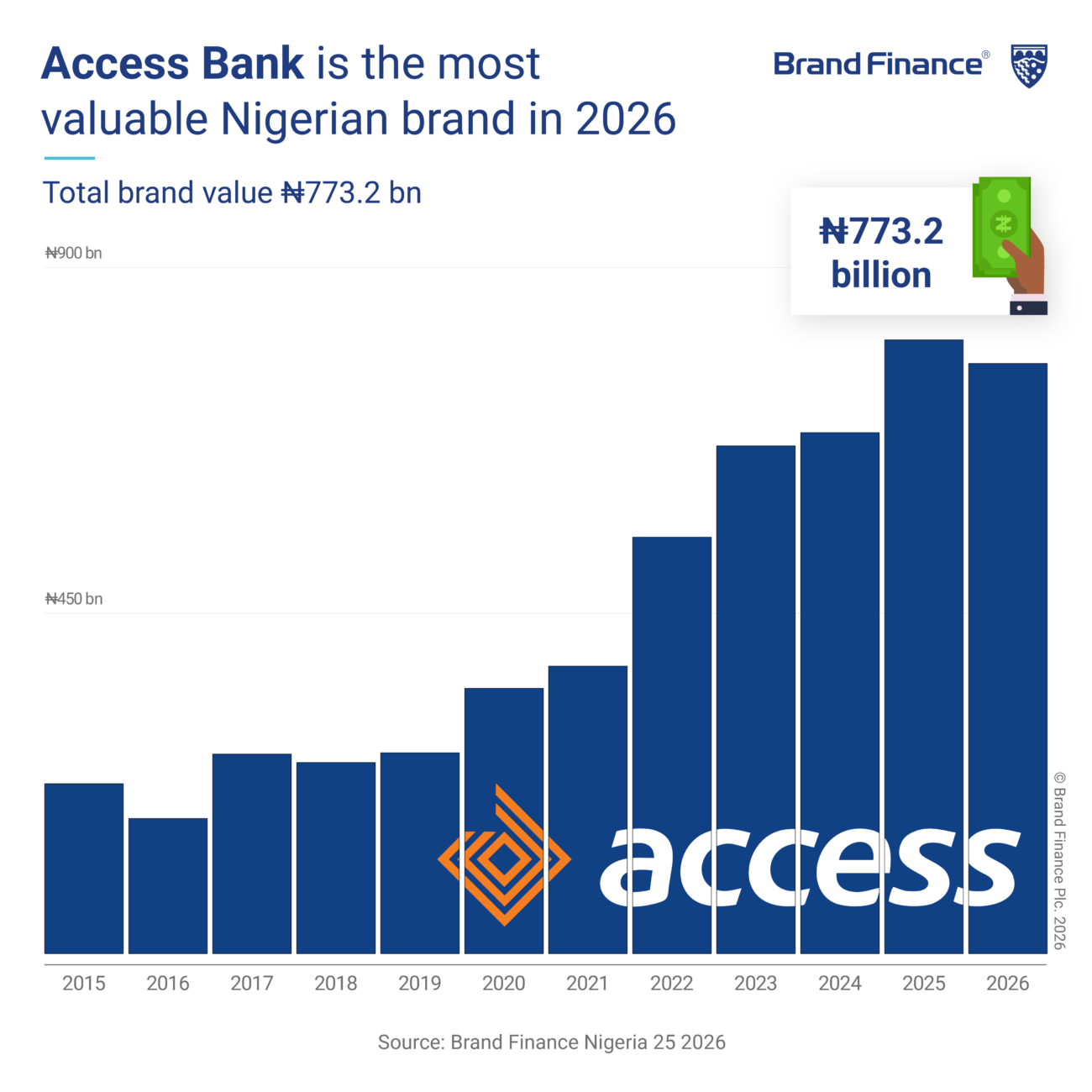
Access Bank is still the king of the hill for the fifth year running, but their domestic income took a 17% hit. Instead of folding, they’re leaning into being the "Gateway to the World." To a developer, that sounds less like a marketing slogan and more like an infrastructure play. They want to be the pipes.

If they can successfully pivot from being a local bank to a cross-continental infrastructure provider, they basically become the backend for African trade. But let’s be real: as a user, I don't care if you're in 20 countries if your app still hangs when I'm trying to pay for a late-night ride home in Lagos. The "brand strength" they talk about needs to translate to 99.9% uptime, or it’s just noise.
Zenith’s $100m Bet and the Legacy Struggle
Zenith moving to second place on the back of a massive tech investment is interesting. Anyone who has worked in fintech knows that "upgrading core banking systems" is code for "nightmare fuel." You’re dealing with databases that might be older than the junior devs working on them.

When a bank spends that much on tech, I’m looking for more than just a prettier UI. I’m looking for faster settlement times and APIs that don't throw 500 errors when a small business in Onitsha tries to integrate them. If that $100m doesn’t make life easier for the local dev ecosystem, it’s a wasted opportunity for the rest of us.
First Bank and the "No Gree" Energy
Then you have First Bank, the "strongest" brand with an AAA+ rating. It’s wild that a 132-year-old institution is still outperforming the young bloods in brand strength. They’ve managed to keep that "Old Reliable" vibe while pushing digital transformation. It’s like seeing your grandfather suddenly become a pro at using Discord—unexpected, but you have to respect the hustle.
They’ve positioned themselves as the partner for SMEs. In a climate where every founder is told to "no gree for anybody," having a stable bank that actually understands the local hustle—from the tech scene in Akure to the traders in Owerri—is a massive advantage.
What This Means for the Rest of Us
We’re building in an environment where the giants are doubling down on tech. The "fintech vs. traditional banks" war isn't a war anymore; it’s an arms race. The banks are realizing that they can't just rely on their fancy head offices in Victoria Island. They need to be in the pockets of every Nigerian, and that requires code that actually works.

I’m skeptical but hopeful. If these banks are truly pouring trillions into their digital infrastructure, maybe, just maybe, we’ll reach a point where "network issue" is a thing of the past. Until then, I’ll keep my eyes on the logs and my fingers crossed every time I hit "transfer."
Building products here is hard enough; we need the foundations to hold.
Related from Nigeria
Let's build your next big product.
Accepting project-based freelance, remote engineering roles, and hybrid positions.