The 'Sachet' Version of Chimamanda: Why This Storipod Deal Makes Sense
Breaking down big books into bite-sized chapters isn't just a gimmick; it's how you actually get Nigerians to pay for content without the 'Sapa' sting.
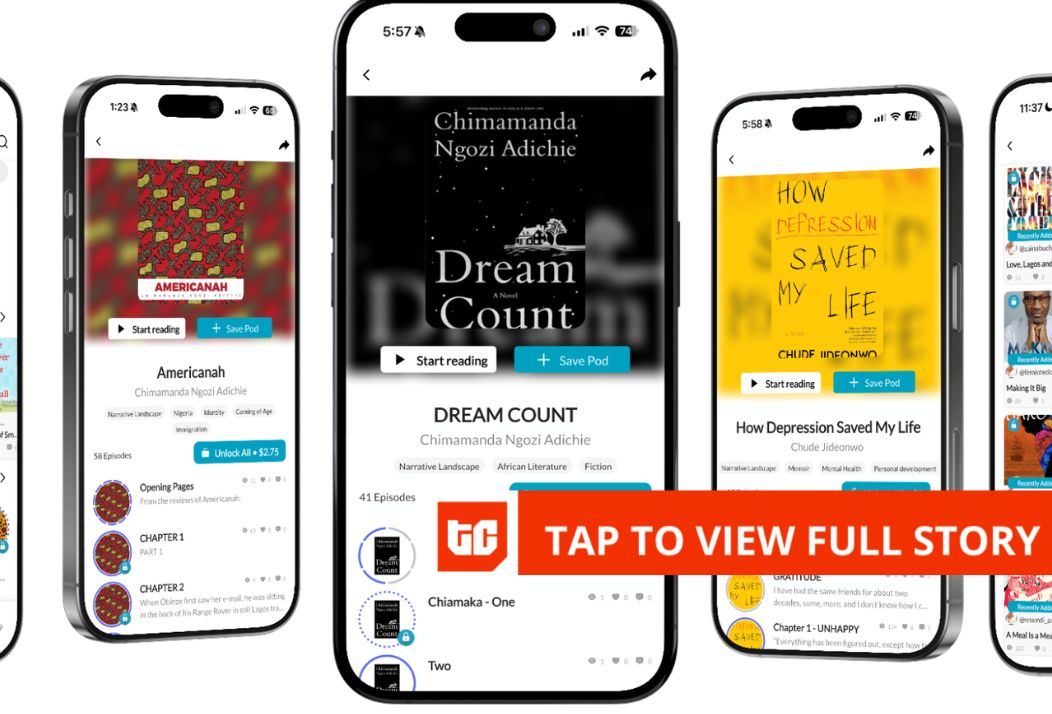
I’ve spent way too many hours stuck in traffic on the Lagos-Ibadan expressway, staring at my phone until my eyes hurt. In those moments, I’m not looking for a 500-page hardcover to lug around in my bag. I want something I can swipe through between gear shifts or while waiting for a heavy downpour to stop in a Gbagada workstation.
The news about Storipod landing the rights to Chimamanda Ngozi Adichie’s books—including the new one, Dream Count—hit my feed this morning, and my first thought wasn't about "literary excellence." It was about the micropayments.
The Sachet Economy of Apps
We live in a sachet economy. From Cowbell milk to mobile data, we buy what we can consume now. For a long time, the tech scene tried to force monthly subscriptions on people who are still figuring out where their next gig is coming from.
Storipod’s "pay-per-chapter" model is a breath of fresh air. It’s the "No gree for anybody" approach to publishing. Instead of asking a developer in Owerri or a student in Akure to drop 15,000 Naira on a physical book, they’re saying, "Just pay for what you’re reading right now."

The Tech Behind the Curtain
From a builder's perspective, the real challenge here isn't just getting the rights; it’s the DRM (Digital Rights Management). African publishers are rightfully terrified of piracy. You drop a PDF today, and by noon tomorrow, it’s being shared in 50 different Telegram groups.
If James Nelson and his team have built a container that keeps the content secure while allowing for seamless offline reading, that’s a massive win. I’m curious about their stack. Handling thousands of micro-transactions for single chapters without the gateway fees eating up the entire profit is a tough nut to crack. If they’re using something like a local wallet system or direct carrier billing, it shows they actually understand the ground they’re walking on.

Why I’m Hopeful (But Skeptical)
I love that they’re bringing in names like Chude Jideonwo and Suyi Davies Okungbowa. It gives the platform weight. But as anyone who has ever tried to scale an app in Nigeria knows, the "last mile" is the hardest.
Will the app stay light? Will it work on a budget Android phone in a part of Jos where the 4G signal is more of a suggestion than a reality?
Mobile accounts for over 80% of our web traffic. We don't do Kindles here. We do phones. If Storipod can make the UX as addictive as a Twitter scroll but with the quality of a Narrative Landscape book, they might have just solved the distribution nightmare that has killed so many local publishers.
At the end of the day, I just want to be able to read a chapter of Dream Count while waiting for my code to compile without feeling like I’m breaking the bank. If they can pull that off, they’ve got my respect.
Related from Nigeria
Let's build your next big product.
Accepting project-based freelance, remote engineering roles, and hybrid positions.