More Towers, Less 'Network Busy': Why Airtel's $500M Flex Matters to My Ping
Building software in Nigeria is 10% coding and 90% fighting for a stable connection. Airtel is finally pouring serious cash into narrowing the infrastructure gap.
I was trying to push a critical hotfix from a small workstation in Gbagada yesterday, and the "Request Timed Out" error was staring me in the face like a personal insult. We talk a lot about "building for Africa," but sometimes we forget that the foundation isn't just our React components—it's the physical towers and the diesel generators keeping them alive.
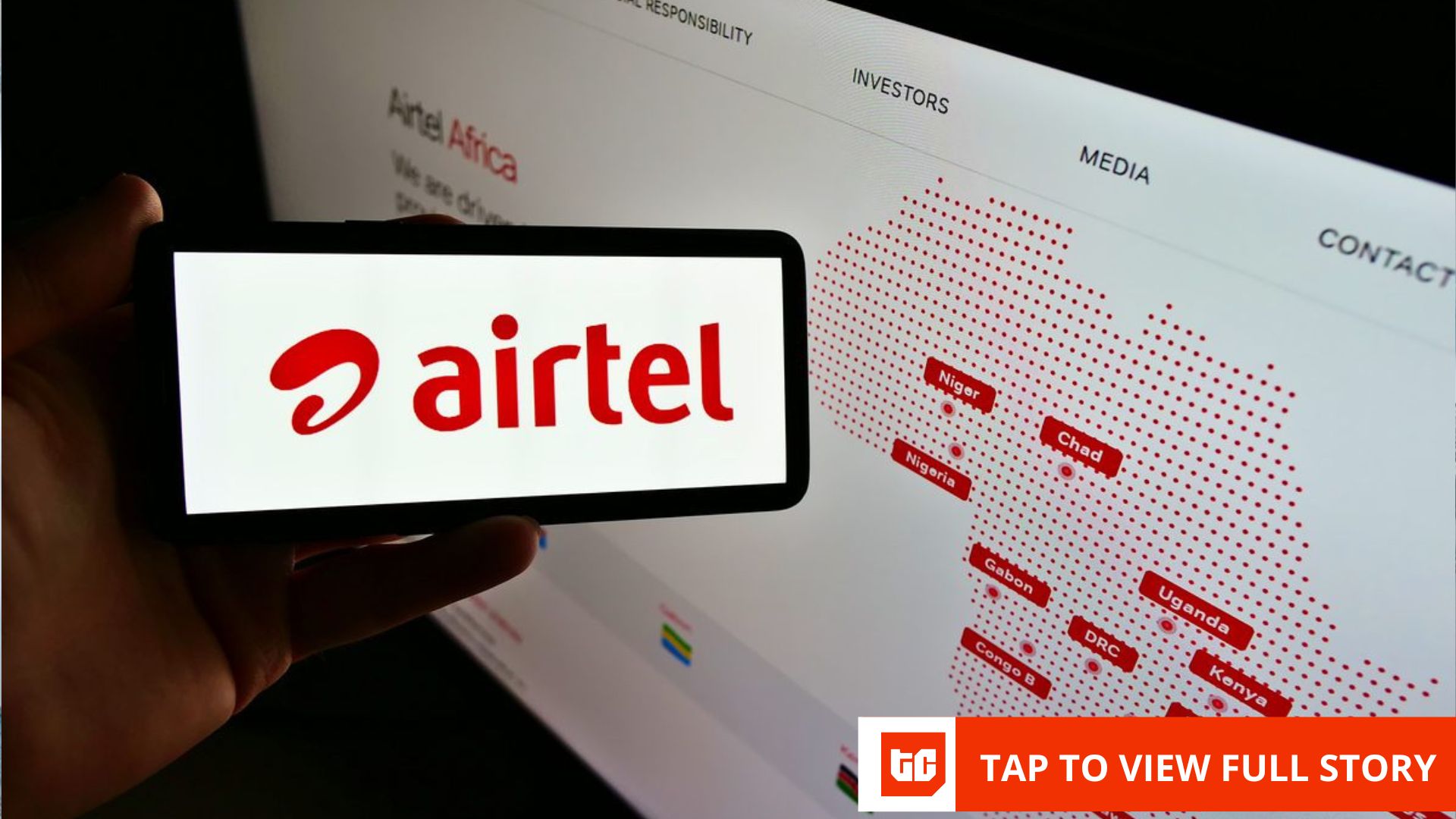
The latest numbers on the Airtel vs. MTN war are out, and it’s finally becoming about something more useful than just "who has the most SIM cards." It’s about capacity. Airtel has been on a tear, adding over 1,500 sites in three years. They’ve crossed 17,000 sites and dropped $500 million into the pot to make sure that when you and I are trying to run an npm install, the network doesn't just give up and die.
The Pipe is Getting Too Small
We hit 1.26 million terabytes of internet consumption in February alone. That is a staggering amount of data. Think about every person at a bus park in Owerri scrolling TikTok, every dev in a cold office in Jos pushing code, and every vendor in Onitsha taking payments via Moniepoint.

The problem is that the "pipe"—our infrastructure—hasn't been growing as fast as our hunger for data. We have about 60 base stations per 100,000 people. That’s like trying to feed a whole wedding party with one small pot of Jollof. Airtel knows this, and they’re finally "no greeing" for anybody. By expanding their site count, they aren't just looking for new customers; they are trying to keep the ones they have from throwing their SIM cards in the bin when the 4G icon disappears at 7:00 PM.
MTN is Playing a Different Game
While Airtel is building sites, MTN is trying to own the ground they stand on. Their $2.2 billion deal to acquire IHS Towers is a massive flex. If you own the towers, you control the rent, the maintenance, and how fast your competitors can move. It’s a classic vertical integration play. For us as developers and users, this is a double-edged sword. It might mean faster 5G rollouts in Lagos or Abuja, but it could also make things much harder for smaller players to compete on price.

The Hardware Tax
What really caught my eye in the report was the cost of building these things. One 5G site can cost over ₦500 million. Between the crazy exchange rates and the fact that most of these towers run on hybrid energy systems because the grid is... well, the grid... it’s a miracle we have internet at all.
When I look at my AWS bill or worry about API latency, I have to remember that someone is out there in the heat, trying to get a diesel generator to work so my packets can travel from a server in US-East-1 to a phone in Gombe.
Why This Matters for the Product Guys
If you’re building an app right now, this capacity war is good news. More competition between Airtel and MTN usually leads to better uptime. We’re moving away from the era where "network is down" was a valid excuse for a business to stop working.
But we still have the city-bias problem. Most of this investment is flowing into high-traffic urban corridors. If you’re building for the person in a peri-urban area or a rural village, the "Sapa" of bandwidth is still very much a thing.
I’m cautiously optimistic. I want to see Airtel keep pushing. I want to see MTN’s 5G move beyond just a few lucky neighborhoods. Because at the end of the day, my code is only as good as the signal strength on the user's phone.
Now, let me try pushing that hotfix again. Hopefully, the Gbagada towers are feeling generous this afternoon.
Related from Nigeria
Let's build your next big product.
Accepting project-based freelance, remote engineering roles, and hybrid positions.