Forget the policy papers, where are the GPUs?
Morocco is dropping $1.2 billion on an AI factory while the rest of us are still writing white papers. Let's talk about why actual hardware is the only thing that matters for builders right now.
My laptop fan is currently doing its best impression of a Boeing 747 taking off from Murtala Muhammed Airport. I’m just trying to run a local LLM to test some RAG pipelines, and my machine is basically screaming for help. This is the reality for most of us building stuff here. We have the ideas, but the "juice"—the actual compute power—is expensive, laggy, or just plain unavailable.
While most countries are busy forming committees to "study the impact of AI" and writing long-winded policy papers that nobody reads, Morocco just decided to buy the whole kitchen. They signed a $1.28 billion deal with Nexus Core Systems to build an "AI Factory."

Compute is the new electricity
I’ve seen enough MoUs in my life to be skeptical. In this part of the world, a "Memorandum of Understanding" is often just a fancy way of saying "we had a nice lunch and took photos." But this Morocco thing feels a bit different because it’s focused on hardware—16 megawatts of data center capacity and a mountain of NVIDIA GPUs.
As a dev, this is the only language that makes sense. You can’t code a startup on "policy." You need low-latency access to high-performance computing. If Morocco actually pulls this off, they won't just be "ready for AI"—they’ll be the ones hosting the models that the rest of us are trying to API-call from a rainy afternoon in Jos or a cramped workstation in Gbagada.
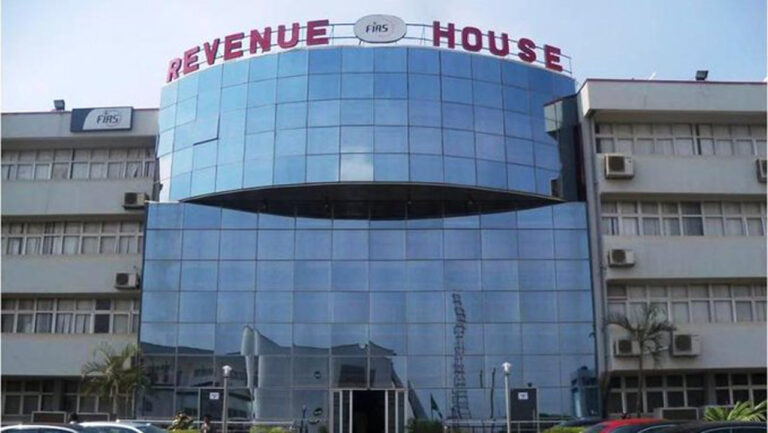
The contrast is wild. While they’re building factories for chips, we’re staring at a June deadline for e-invoicing from the FIRS. Don’t get me wrong, digitizing taxes is fine, but it’s another administrative hoop to jump through while the fundamental building blocks—power and compute—remain luxury items.
The "London-Used" upgrade path
There was a bit in the news about a startup called Sikili scaling across Abidjan and Dakar, selling refurbished iPhones and MacBooks at a 40% discount. That hit home.
Every developer I know in Lagos or Akure has a "guy." A guy at Computer Village or a contact in the UK who can ship a "clean" used MacBook Pro because buying a new one in this economy requires selling a kidney. We’ve built an entire tech ecosystem on the back of second-hand hardware and "Sapa" resilience.
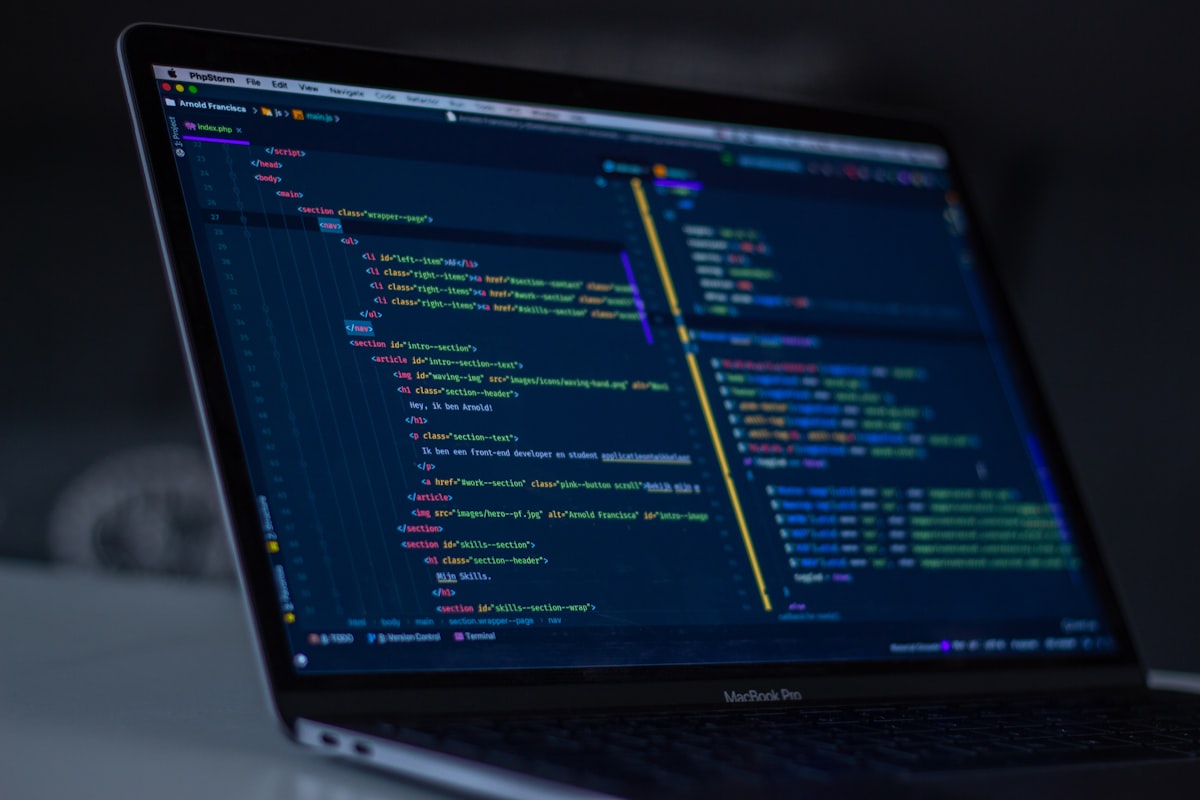
Seeing a formal startup tackle the circular economy for tech is cool, but it also highlights the gap. We are masters of making do with what we have. Imagine what the guys in a hub in Owerri or a co-working space in Yaba could do if they weren't fighting with 2018 Intel Macs and spotty electricity.
Execution > Optimism
The Morocco deal is split into phases. Five billion dirhams for the first 16MW site, then seven billion more later. It sounds like a lot of "big grammar," but the tech stack is what interests me. They’re using NVIDIA and Naver Cloud tech to export a ready-made AI stack.
This is the move. Instead of trying to reinvent the wheel, they are importing the infrastructure and hopefully building the local talent to run it.
In Nigeria, we have the talent in spades. We have the "No gree for anybody" mindset that makes us push through bugs at 3 AM when the inverter is beeping. But talent without infrastructure is like a world-class driver with no car.

I’m tired of hearing about "potential." I want to see more data centers. I want to see subsidized GPU clusters for local startups. If we don’t want to be just consumers of AI built in the West or North Africa, we need to stop talking about frameworks and start talking about the "AI factory" equivalent for our own backyard.
Until then, I’ll keep my laptop on a cooling pad and hope the fan doesn't actually give up today. We keep building, regardless.
Related from Nigeria
Let's build your next big product.
Accepting project-based freelance, remote engineering roles, and hybrid positions.