NIGCOMSAT is Making Money, but Can It Fix My Latency?
I was just reading about NIGCOMSAT's ₦2.2 billion revenue jump and I’ve been thinking about whether state-owned tech can actually compete with the fiber we use in Lagos.
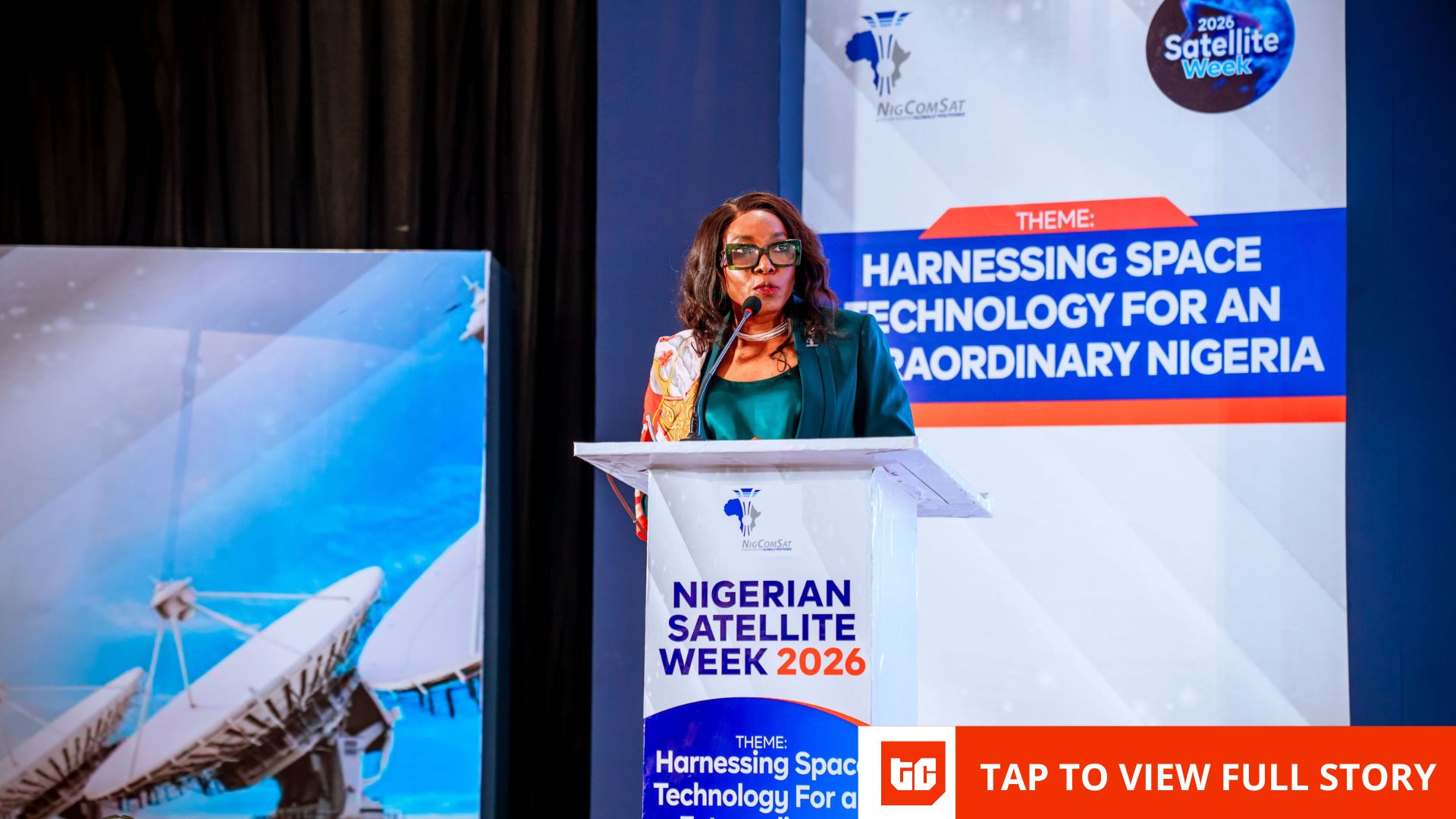
I’ve spent many nights in Yaba, staring at a loading bar while the generator hums in the background and the 4G signal decides to take a nap. So when I saw the news that NIGCOMSAT cleared ₦2.2 billion ($1.6 million) in revenue for 2025, my first thought wasn't about the balance sheet. I wanted to know if this actually means better pings for those of us building products here.
It’s a massive jump from the ₦650 million they did in 2024. For a state-owned company that most people used to joke about, that’s a decent bit of growth. But as a dev, I’m looking at the "how" and the "why" behind these numbers.
The Broadcasting Backbone vs. The Broadband Dream
Right now, over 50% of their money comes from broadcasting. Basically, they are the tech behind the TV stations your parents watch. That’s cool for them, but for those of us pushing code to GitHub or trying to run low-latency applications, broadcasting is "old school" tech.

Jane Egerton-Idehen, the CEO, says the real prize is broadband. She’s looking to hit ₦8 billion by tapping into the internet market. If they can actually pull off "cellular backhaul"—which is just a fancy way of saying they’ll provide the internet link for remote cell towers—it could change the game for users in places where laying fiber is too expensive. Think about trying to get a stable connection in a village in Adamawa or the backwaters of Cross River. Fiber isn't going there anytime soon, so satellite is the only play.
The $11 Million Bug in the System
Here is where it gets a bit shaky for me. While they are celebrating this revenue, there’s this $11.4 million debt hanging over their heads with the Chinese company (CGWIC) that manages the satellite.
In dev terms, this is like running your entire startup on an AWS instance that you haven't paid for in months. You’re shipping features and hitting user milestones, but the cloud provider could flip the switch any second. NigComSat-1R is supposed to last until 2028, but if the relationship with the guys managing the hardware is sour, how reliable is the service going to be next week?

When I’m building a product, "reliability" is the only metric that matters at 2:00 AM when the server goes down. NIGCOMSAT is trying to win back trust after their first satellite literally got lost in space in 2008. That’s a huge PR debt to pay back, even bigger than the $11 million.
Why I’m Watching This
I’m interested in the "sovereign" tech angle. They mentioned that the military uses this for secure comms in the bush and on naval ships. That’s solid execution. But for the average tech founder, the real win is if they can bring down the cost of data for the "last mile."
If NIGCOMSAT can actually fix their service quality and get that broadband capacity into the hands of local ISPs, maybe we stop seeing so many "Connection Timed Out" errors when we’re trying to use local apps.

Right now, they are checking the right boxes: working with state governments like Gombe and Imo, and focusing on areas where fiber can't reach. It's a tough build, especially with the "Naira vs Dollar" madness and the tech upgrades they need.
I want them to win because having a local satellite option that actually works would be a massive lift for the ecosystem. But until that $11 million dispute is cleared, I’m keeping my side-eye active. Growing revenue is great, but keeping the "uptime" is the real work.
Related from Nigeria
Let's build your next big product.
Accepting project-based freelance, remote engineering roles, and hybrid positions.