The Strategic Decentralization of African Venture Capital
Capital concentration in Africa is a market failure. Here is how institutionalizing social capital can unlock the continent's next trillion-dollar sectors.
The Strategic Hook
Capital is a coward, but more importantly, capital is lazy. In the African tech ecosystem, this laziness manifests as a hyper-concentration of funding within the "Big Four"—Nigeria, Kenya, Egypt, and South Africa—which commanded over 80% of total venture flows in 2025. This isn't just a geographical bias; it is a network failure.
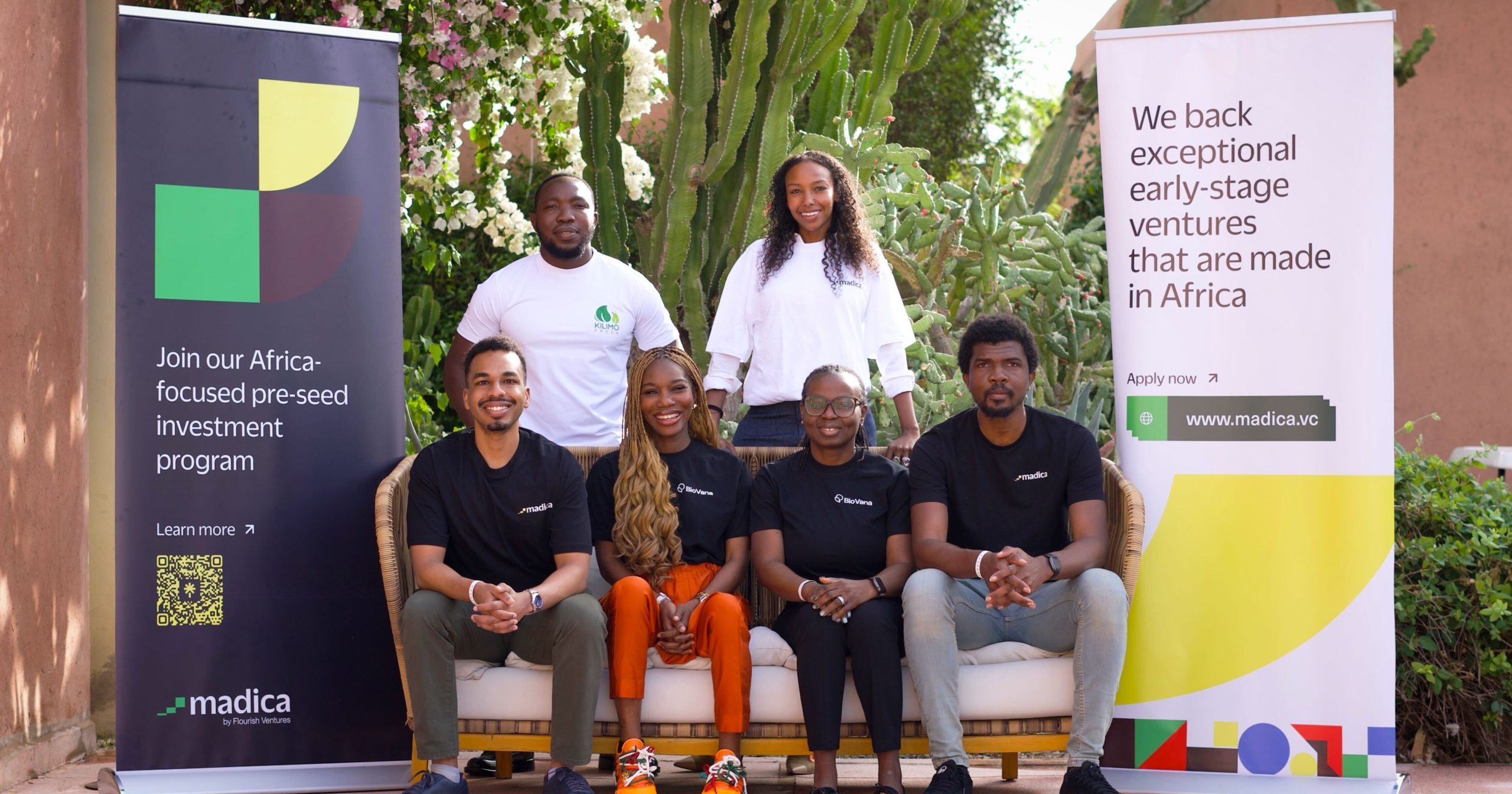
When investors prioritize "warm introductions" and Ivy League pedigrees over raw market potential, they create a strategic deficit. Madica’s recent $600,000 deployment into three startups—Kilimo Fresh, Hakimu, and Biovana—is more than a pre-seed round; it is a deliberate attempt to institutionalize the "insider" advantage for those currently locked outside the gate.

The Profound Solution: Institutionalizing Social Capital
The primary problem for African founders isn't a lack of technical ability; it is a lack of structural mentorship. In a market where 18 months of runway can be evaporated by a single regulatory shift or a currency devaluation, "dumb money" is a liability.
Madica’s solution is to replace the traditional 3-month "accelerator" model with an 18-month structured partnership. By combining capital with executive coaching and immersion trips, they are effectively manufacturing the "social capital" that Silicon Valley founders inherit at birth. This shift—from being a mere financier to becoming a "surrogate network"—is the only way to de-risk investments in frontier markets like Tanzania or specialized sectors like pan-African legal AI.
Critical Analysis: The Myth of the "Safe" Market
The industry remains obsessed with the "Big Four" because they offer a semblance of liquidity and exit potential. However, this concentration has led to a "valuation bubble" in popular sectors like consumer fintech, while high-impact infrastructure remains starved.
- The Over-Saturation Risk: When 85% of capital chases 15% of the geography, you get over-funded solutions for under-defined problems.
- The Execution Gap: Hakimu (Kenya) and Kilimo Fresh (Tanzania) are tackling legal and agricultural supply chain inefficiencies. These are "hard" problems that require more than just code—they require deep local integration. The risk here isn't the technology; it's the scalability of physical and legal infrastructure.
- The Guidebook Strategy: Madica’s release of Zero to Funded is a cynical but necessary admission: the current fundraising process is a "dark art" that favors those who speak the language of VCs, rather than those who understand the language of their customers.

The Nigerian Angle: From Consumer Apps to Data Sovereignty
The inclusion of Biovana in this cohort signals a pivot in the Nigerian tech narrative. For years, Nigeria’s "youth empowerment" through tech was synonymous with payment processing and gig-economy apps.
Biovana’s focus on health data harmonization for global pharmaceutical markets represents a move toward high-value, intellectual property-driven entrepreneurship. For Nigeria, this is critical. As the nation’s youth face a volatile local economy, startups that export data services and clinical research insights provide a hedge against local currency risks. This isn't just "tech"—it is the positioning of Nigeria as a global hub for life-sciences data, moving the ecosystem up the value chain from "users" to "producers."

The Forward Look
If Madica’s model succeeds, it will prove that "under-networked" is not synonymous with "high-risk." We are moving toward an era where the most successful VCs will be those who operate like high-end management consultancies. The next five years will see a "Flight to Quality," where investors ignore the noise of the Big Four to find specialized gems in neglected markets.
Technical Footnote
From a strategic perspective, Biovana’s success hinges on its ability to implement robust data-interoperability standards that bridge the gap between fragmented African healthcare records and the rigorous compliance requirements of Western clinical research.
Actionable Strategy for Leaders
1. Audit Your Network Bias: If your portfolio is 90% concentrated in the Big Four, you are likely overpaying for entry. Look for "Network Aggregators" like Madica who are doing the legwork in secondary markets.
2. Invest in Infrastructure, Not Just Apps: The greatest returns in the next decade will come from companies building the "plumbing" of the continent—legal AI, health data, and supply chain logistics.
3. Institutionalize Mentorship: If you are an LP or a GP, recognize that in Africa, capital is a commodity. Support systems are the moat. Stop funding companies that don't have a clear 12-to-18-month mentorship roadmap.
Related from Nigeria
Let's build your next big product.
Accepting project-based freelance, remote engineering roles, and hybrid positions.