Beyond the Playbook: How Anti-Conventional Thinking Wins in Tech
Forget the corporate rulebook and traditional B-school wisdom. In the fast-paced world of tech, especially in dynamic markets like Nigeria, it's the audacious, anti-conventional mindsets that truly build groundbreaking ventures.
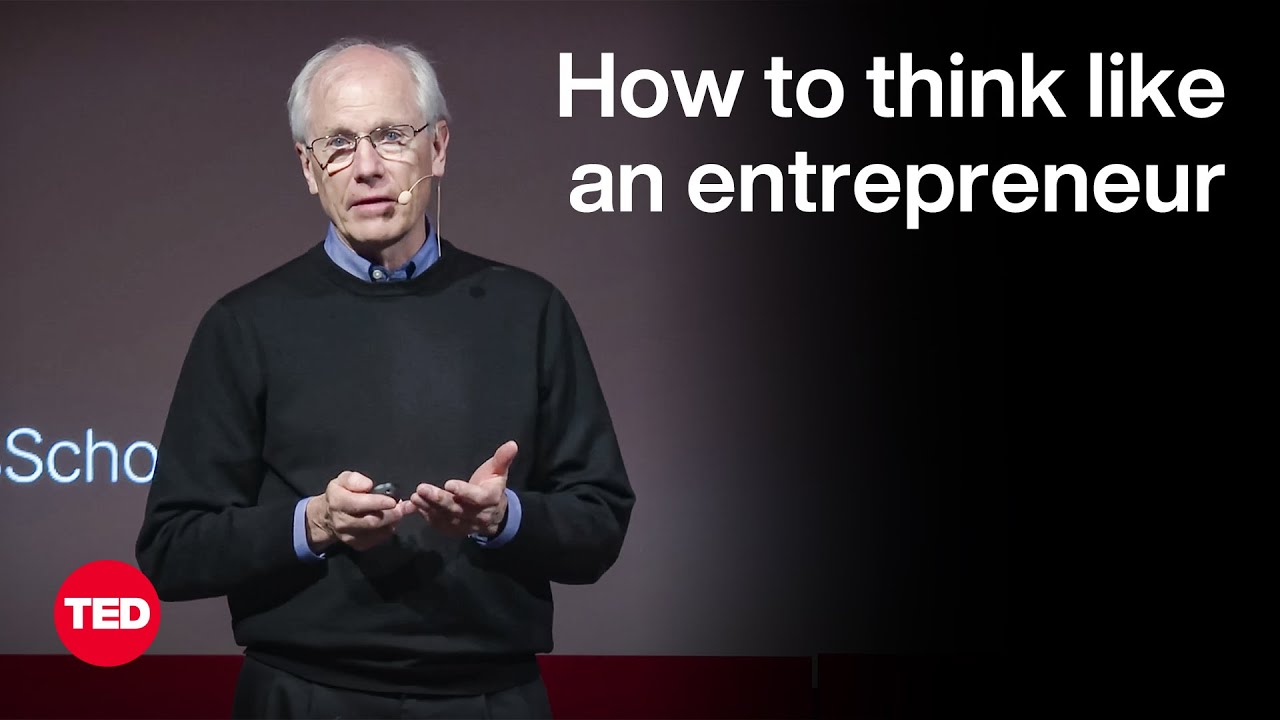
Remember Lynda Weinman? The graphic design teacher who, in 1995, just needed a "sandbox" to play with new digital tools and showcase her students' work. That sandbox, Lynda.com, grew into an online education powerhouse, eventually selling to LinkedIn for a staggering $1.5 billion. Linda wasn't following a meticulously crafted 5-year plan or adhering to the "best practices" taught in business schools. She was just doing what felt right, what solved an immediate need. She, and many like her, embody what we call anti-conventional entrepreneurial mindsets.
These aren't just quirky habits; they're fundamental shifts in how we approach problems, opportunities, and even resources. As developers and aspiring tech entrepreneurs, especially here in Lagos, operating within a uniquely challenging yet opportunity-rich ecosystem, these mindsets are not just beneficial – they are, frankly, essential.
Let's ditch the textbook strategies for a moment and dive into some of these counter-intuitive approaches that can define success, not just for the Silicon Valley giants, but for us, building from the ground up.
Embrace the "Yes, We Can" Mentality
Traditional business strategy preaches core competencies: find what you're good at, stick to it, and invest deeply. If a client asks for something outside that niche, the standard response is often, "Sorry, we don't do that here." But what if we flipped that script?
Consider Arnold Correia of Atmo Digital. Faced with a client needing to broadcast training events to 260 stores across Brazil, he didn't know the first thing about satellite technology. He said, "Yes, we can." Later, when Walmart wanted in-store advertising on sales floors, he again said, "Yes, we can." Arnold essentially reinvented his company multiple times by taking on challenges far beyond his initial "core competencies."
For us as developers, this means not shying away from a project just because it requires learning a new framework, a different language, or integrating with an unfamiliar API. Our superpower is adaptability and problem-solving. A client's unusual request might just be the pivot point for your next big product or service. In a market where problems are plentiful and tailored solutions are scarce, saying "yes" to the unconventional request often unearths unique opportunities and builds deep trust. We're not just coders; we're digital architects, capable of building beyond our immediate blueprints.
Focus on "Problem-First Logic, Not Product-First"
The corporate world often gets trapped in a product-centric loop: "Let's make Tide bluer and call it 'new and improved!'" Or "How many variations of Coca-Cola can we create?" This isn't innovation; it's iteration. True entrepreneurial innovation, especially for a developer, starts with a deeply understood problem.
Jonathan Thorne exemplifies this. He developed a silver-nickel alloy that solved a critical issue: surgical forceps sticking to human tissue during delicate procedures. Initially targeting cosmetic surgeons, he soon realized neurosurgeons faced an even graver problem. Imagine a surgeon trying to remove a brain tumor, and the tool sticks. Every brain cell matters. By focusing on the problem of tissue adhesion in its most critical context, he built a massively successful business.
As developers, we often fall in love with our code or a specific technology. We build a cool app or a slick API, then try to find a problem it solves. Flip that. Immerse yourself in the daily struggles of your community, your industry. What truly frustrates people? What mundane task takes too much time? The best products, the ones that genuinely change lives, come from an obsession with solving a problem, not just pushing a feature. In Nigeria, there are countless problems begging for technological solutions – from logistics to finance to education. Our focus should be on these problems, not just the latest trendy tech stack.
"Beg, Borrow, But Please, Please Don't Steal"
Big corporations are often cash-rich, yet paradoxically, they can be slow to innovate. Merck might return billions to shareholders while only investing a fraction in R&D. Entrepreneurs, however, see cash as the lifeblood and are masters of stretching resources. Elon Musk’s Tesla didn't wait for massive venture capital rounds to start building cars. They leveraged pre-payments for the Roadster, then again for the Model 3, effectively getting customers to fund their initial production and engineering. That's half a billion dollars in the bank before production even seriously began for the Model 3.
Consider Tristram and Rebecca Mayhew, who started Go Ape, a treetop adventure company in the UK. Instead of buying land and trees, they partnered with the UK Forestry Commission, who had an abundance of both and needed to increase visitor numbers. The Mayhews "borrowed" the trees, the parking lots, the infrastructure. All they had to do was install their adventure courses.
For us, especially in a market where access to large-scale capital can be a challenge, this mindset is invaluable. Can you leverage existing infrastructure? Can you partner with a larger entity that has the assets you lack? Can you secure pre-orders or customer deposits to fund your initial development? Thinking creatively about resource acquisition – be it through strategic partnerships, open-source tools, or clever funding models – allows us to build powerful solutions without always needing deep pockets upfront.
Why This Matters for Nigerian Developers
Nigeria's tech landscape is a hotbed of innovation, but it also presents unique challenges. Capital can be scarce, infrastructure can be patchy, and regulatory frameworks often lag behind the rapid pace of technological change. This is precisely why anti-conventional thinking isn't just a nice-to-have; it's a survival mechanism and a launchpad for success.
- Limited Capital? The "Beg, Borrow, Don't Steal" approach helps you bootstrap and prove your concept with minimal financial outlay. Leverage partnerships, existing platforms, or even open-source communities.
- Infrastructure Gaps? "Yes, We Can" becomes vital. If there's no off-the-shelf solution, we build it. If the internet is slow, we find offline-first solutions. We adapt, we improvise, we create.
- Unique Local Problems? "Problem-First Logic" ensures your solutions are deeply relevant and resonate with the market. Don't build for Silicon Valley; build for Lagos, for Abuja, for rural communities. The problems here are often vast, underserved, and ripe for innovative tech solutions.
- Slow or Ambiguous Regulations? Sometimes, as with Uber, "Entrepreneurs and Permission are like Oil and Water." While we must operate ethically and strive for legality, waiting for clear regulatory guidelines in nascent tech sectors can mean missing the window of opportunity. This isn't an endorsement for unethical practices, but rather a recognition that sometimes, innovation moves faster than policy, and proving value can pave the way for future regulation.
Your Call to Action
Stop asking for permission. Stop waiting for the perfect conditions or the ideal capital injection. Look around you – what problem bugs you? What resource is currently underutilized that you can "borrow" or leverage? What unconventional path can you take today that others might dismiss as "not how things are done"?
As a developer, your ability to build is your ultimate permission slip. Use it. Embrace these anti-conventional mindsets. They aren't just for billion-dollar exits; they're for the daily grind, the pivotal decisions, and the audacious leaps that define true entrepreneurship, especially here in the vibrant, challenging, and endlessly promising African tech space.
What barrier are you facing today that one of these mindsets could help you smash through? Think on it, then get to building.
Related from Engineering
Let's build your next big product.
Accepting project-based freelance, remote engineering roles, and hybrid positions.