Beyond Brain Drain: Velocity's Strategic Play to Monetize Africa's Talent Surplus for Global Demand
Kenyan startup Velocity just landed investment to scale nurse placements in Germany. But this isn't just about jobs; it's a blueprint for African startups to arbitrage global labor shortages, challenging old narratives and building a new economic pipeline.
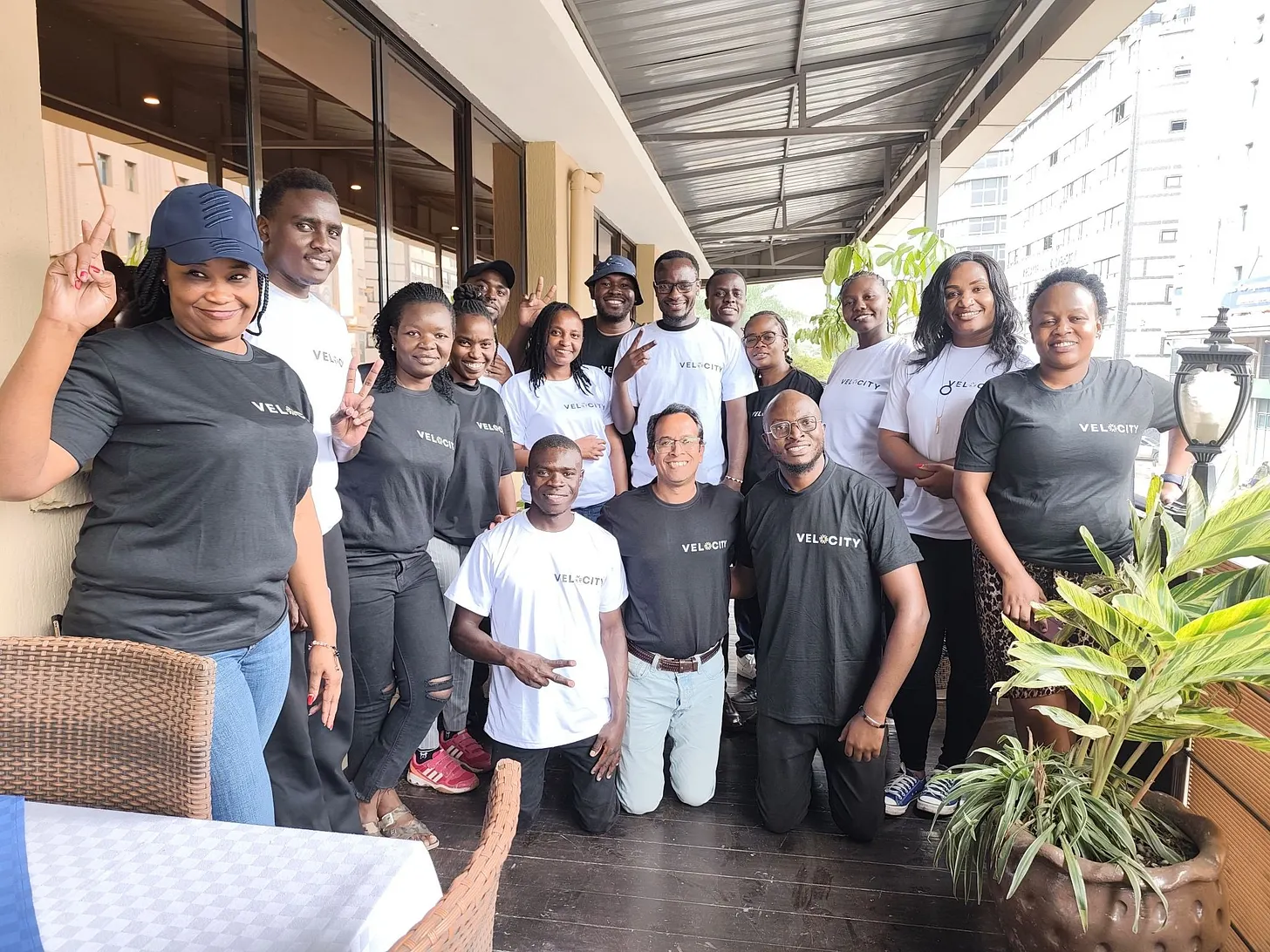
When you hear "African startup," the mind often jumps to fintech, e-commerce, or logistics disrupting local markets. But what if the next big export isn't raw materials, or even digital services, but highly qualified human capital? This is precisely the strategic play at Velocity, a Kenyan labor mobility startup that just secured investment from the Africa Jobs Fund, the first official backing from Wasoko founder Daniel Yu's new venture builder.
The surface story is clear: Velocity trains African nurses in German language skills to the B2 proficiency needed by German employers and then places them in hospitals. It's a smart solution addressing Germany's acute nursing shortage and Africa's persistent unemployment among qualified healthcare professionals. But the real insight, the second story here, isn't just the jobs being created. It's the blueprint for a sophisticated, scalable human capital export model that reframes "brain drain" into a structured, profitable economic pipeline.
The Mechanism of Global Talent Arbitrage
Founded in 2025 by Lalit Kumar, Siddharth Gusain, and Betty Chelangat, Velocity has quickly built a robust operational model.

What actually happened (The News Lens):
- The Deal: Velocity received investment from the Africa Jobs Fund, marking its debut investment.
- The Target: Expansion into Malawi and Zambia for nurse recruitment.
- The Process: A 10-month, fully online program training qualified African nurses to German B2 level.
- The Teachers: Crucially, the training is delivered by Kenyan nurses already working in Germany. This isn't just effective, it's a powerful signal of the pathway's credibility.
- The Funding Model: Employers in Germany cover the training and placement costs. Nurses pay a refundable commitment fee, significantly de-risking their participation.
- The Traction (Claim, not yet fully verified by external audit, but strong indicators): 300+ active learners, a waitlist exceeding 2,500, and a reported 100% placement rate for interviewed candidates.
Why this matters (The Strategy & Human Lenses):
This isn't charity; it's a meticulously engineered marketplace. Germany, with its aging population, faces a critical shortage of healthcare workers. African countries, despite producing highly skilled nurses, often struggle with underemployment and limited opportunities. Velocity steps into this gap, not with a patchwork solution, but with an end-to-end, high-integrity service.
For the nurses (The Human Lens), this is a life-changing opportunity. Imagine being a qualified nurse in Akure or Owerri, battling sapa realities despite your skills, and being offered a structured, employer-funded path to a well-paying job in Germany. The refundable commitment fee is a stroke of genius, ensuring serious candidates without penalizing those who might struggle with upfront costs. It shifts the risk.
For the German hospitals, Velocity de-risks recruitment from a complex, foreign market. They get pre-vetted, language-proficient, culturally prepared nurses, reducing their own onboarding costs and time-to-productivity. This is critical for operational stability in a strained healthcare system.
The Undercurrent: A New Model for African Venture Builders
Daniel Yu's Africa Jobs Fund leading this investment is not just significant for Velocity, but for the broader African startup ecosystem. Yu, having built and exited Wasoko (or at least scaled it significantly before stepping down), now applies that operational and market-making expertise to a venture builder model. This isn't passive VC; it's hands-on, strategic partnership.
The Assumption I'd Challenge:
The common narrative around skilled migration from Africa is "brain drain"—a net negative for the continent. While the immediate loss of skilled professionals is a real concern, Velocity's model forces a re-evaluation. Is it always a drain if structured, high-value pathways lead to significant remittances, upskilling, and potentially, a more globally connected and experienced diaspora that could eventually contribute back?

The Strategic Options for Velocity (and others following suit)
Velocity has proven product-market fit. The 2,500-strong waitlist is screaming for more. But scaling international labor mobility isn't like scaling a SaaS product.
- Geographic Expansion (Source Markets): Velocity is already moving into Malawi and Zambia. This is a logical next step to tap into new pools of talent, leveraging a repeatable operational playbook.
- Geographic Expansion (Destination Markets): Germany is a massive market, but what about other aging populations with skilled labor shortages? The UK, Canada, Australia, even the US? Each has its own regulatory complexities, but the core model could adapt.
- Vertical Expansion (Other Professions): If nurses, why not doctors? Or IT professionals? Or skilled trades? The operational challenge intensifies with each new vertical, but the core "train, place, facilitate" model could apply.
- Value Chain Deepening: Can Velocity offer more post-placement support? Integration services? Financial products for remittances? Becoming a full-lifecycle talent partner.
FOUNDER DIRECTIVE / ADVISORY SECTION
Alright, let’s get down to brass tacks. Sitting across from Lalit, Siddharth, and Betty, this is the hard truth I'd share.
The Short Answer
Velocity isn't just filling jobs; you're building a new kind of export economy for Africa – human capital. The immediate challenge isn't demand for your service (the waitlist proves that), it's the operational rigor required to scale this without breaking your promise, maintaining quality, and navigating the inevitable regulatory and political headwinds.
What Is Really Happening
You've identified a massive, structural arbitrage opportunity: abundant, qualified talent in Africa meeting acute demand in developed economies. Your online, diaspora-led training model is a clever distribution hack and trust builder. The employer-funded model and refundable fee for nurses are critical for market adoption. Daniel Yu's fund signals that the smart money sees the immense potential for both impact and returns in this often-overlooked sector of human mobility. This isn't just a recruiting agency; it's an educational institution, a logistics firm, and an immigration consultant rolled into one.
The Assumption I'd Challenge
Your current success rests heavily on the German regulatory framework and employer willingness to pay. The assumption is that this will remain stable and scalable across new destination markets or professions. I'd challenge you to stress-test this: What happens if Germany tightens immigration policies? What if a competitor undercuts your pricing by cutting corners on training quality? You're optimizing for placement volume, but the bigger risk isn't low demand; it's regulatory shifts, brand damage from a bad placement experience, or a dip in training quality. The bigger risk isn't X (getting nurses), it's Y (maintaining the integrity and defensibility of the entire value chain as you scale).
The Strategic Options
- Deep Dive Germany (Moderate Confidence): Double down on Germany. Optimize the operational pipeline, build deeper relationships with more hospital groups, refine the post-placement support. Expand within the German system to other cities or even other healthcare roles (e.g., elderly care specialists). This limits regulatory complexity but might cap your total addressable market.
- Controlled Market Expansion (Hypothesis, not fact): Pilot in one or two other destination markets (e.g., Canada, UK, Australia) simultaneously. This diversifies your regulatory risk but significantly increases operational complexity, requiring separate legal, language, and cultural training adaptations for each. This is what you're doing with Malawi and Zambia as source markets, but I'm talking about destination markets.
- Vertical Integration/Deepening (High Confidence): Explore offering "Velocity Housing" or "Velocity Financial Services" (for remittances, savings, etc.) in Germany. This creates stickiness, captures more value, and directly addresses critical pain points for migrants beyond just the job. This is the "Onitsha commerce hustle" applied to global talent – finding every adjacent opportunity to serve your customer.
My Recommendation
My recommendation is a hybrid approach, leaning towards Option 1 with elements of Option 3, before a cautious Option 2.
Why: You have a winning formula in Germany. Maximize that. Build an unassailable reputation for quality and reliability with German employers and your nurses. This isn't just about placing people; it's about successful, long-term placements. Deepen your operational excellence there. While doing so, strategically layer in value-added services (Option 3). Think about how you can simplify the first 6-12 months for your placed nurses – housing, local integration, financial advice. This makes you indispensable. Only then, with robust systems and a bulletproof reputation, should you consider expanding to a second major destination market (Option 2), carefully selecting one with similar demand drivers and relatively clear immigration pathways.
What I Would Do Next
- Operational Excellence Audit: Map out every single bottleneck in your current 10-month pipeline, from nurse recruitment in Kenya to their first six months in Germany. Where are the break points? What needs to be automated? Where is human intervention critical for quality?
- NPS & Retention for Employers & Nurses: You have 100% placement for interviewed candidates. Fantastic. But what's the 6-month and 12-month retention rate for nurses in their German jobs? What's the Net Promoter Score from both the nurses and the German hospitals? This data is your true competitive moat.
- Build a Regulatory Watchtower: Assign a dedicated resource to continuously monitor immigration policy shifts in Germany and potential target destination markets. This isn't a "nice to have," it's existential. Anticipate, don't react.
- Strategic Pilot for Value-Adds: Pick one or two high-impact, low-cost value-added services (like an 'integration buddy' program using your diaspora network, or a trusted remittance partner integration) and pilot them with a small cohort. See what sticks.
What Would Change My Mind
My mind would shift if:
- Rapid & Unforeseen Regulatory Changes: Germany or another key destination market enacts drastic immigration restrictions making your model unviable at scale.
- Severe Talent Shortage at Source: Despite the waitlist, if the quality of incoming nurses from source markets drops significantly, impacting placement success.
- Unmanageable Operational Complexity: If the current model, even in Germany, proves to be inherently unscalable without prohibitive costs or severe quality degradation.
- Emergence of a Super-Competitor: A well-funded, aggressively priced competitor with a similar end-to-end model emerges, capable of eroding your market share or undercutting your value proposition significantly.
For now, Velocity has positioned itself intelligently. The path forward is about disciplined execution, relentless focus on quality, and strategic diversification without losing sight of the core value proposition. This isn't just a startup; it's a testament to Africa's potential to provide sophisticated solutions to global problems.
Related from Venture
Let's build your next big product.
Accepting project-based freelance, remote engineering roles, and hybrid positions.