The FX Shadow Economy: Why Gift Card Arbitrage Is Nigeria’s Deadliest Fintech War
A tech blog published a comparison of eight Nigerian gift card trading platforms. Behind the surface-level rate guide lies an aggressive battle for liquidity, fraud defense, and retail FX margins.
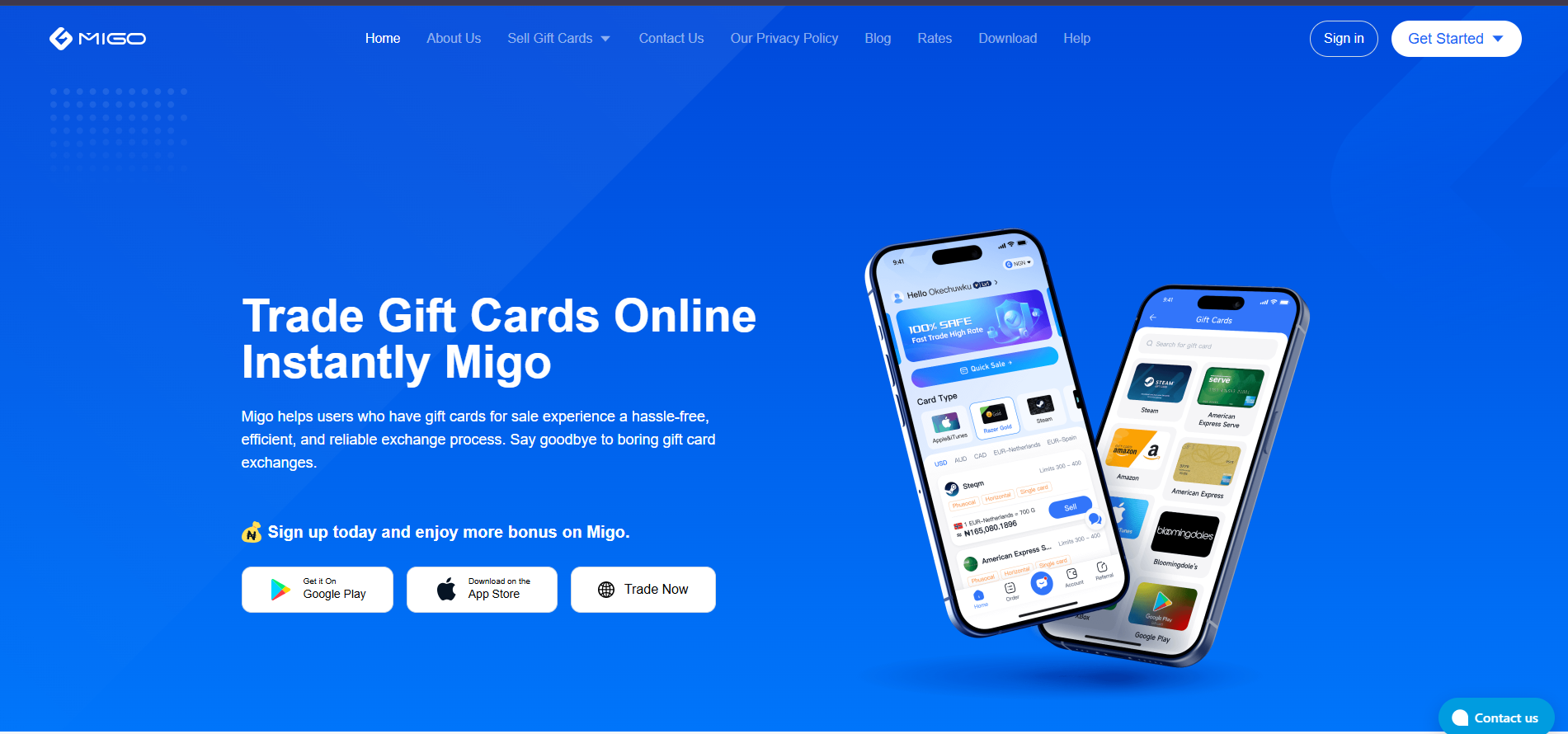
When a consumer tech blog rounds up the "top eight platforms offering high gift card rates," the standard tech ecosystem response is to glance past it as low-tier affiliate content. In Silicon Valley, a gift card is a birthday stocking stuffer you forget in a desk drawer. In Lagos, Onitsha, and Akure, gift cards are an informal, high-velocity foreign exchange derivative.
The platforms highlighted in the TechCity comparison—Cardtonic, Migo, CardHorse, Snappy Exchange, CardWaka, Safex Africa, Sogo Africa, and Traydah—are not merely digital voucher brokers. They operate at the bleeding edge of retail liquidity, underwriting cross-border clearing risks that institutional banks refuse to touch.
The interesting thing about this story is not merely that trading apps are competing over who pays out in three minutes versus fifteen. It is actually that the gift card ecosystem has become an operational stress test for retail FX margins, risk underwriting, and distribution moats in a capital-constrained macroeconomic climate.

The First Story: Payout Speed as the Only Visible Metric
The consumer angle is straightforward. Nigerian users holding Steam, Apple, Amazon, Sephora, or Google Play vouchers want two things:
- The highest possible Naira yield on dollar, euro, or pound-denominated cards.
- Immediate settlement into their local bank accounts (Opay, Moniepoint, GTCO, Access).
TechCity’s comparison table reduces the battlefield to raw metrics: Play Store ratings ranging from 3.7 to 4.5, and payout windows compressed between 1 and 30 minutes. Cardtonic and CardHorse tout 1-to-5-minute turnarounds; Safex promises 3-to-5 minutes with support for partly used cards; Snappy offers cross-platform crypto payouts.
To an everyday seller navigating Sapa in an inflation-heavy economy, every minute a platform holds their card without crediting their account feels like a potential "rip." Trust in this space is measured in seconds, not brand mission statements.
The Second Story: The Hidden Rails of Cross-Border Arbitrage
Strip away the colorful UI and the marketing slogans, and look at the engine room. How does an app verify a physical receipt or an e-code, liquidate it into hard currency, convert that currency into Naira, and drop it into a local clearing account within 180 seconds—all while turning a profit?
Behind the user interface is a brutal operational chain:
- The Fraud & Chargeback Gauntlet: Gift cards are prime vectors for synthetic fraud, stolen cards, and double-spend exploits. If an app credits a user in Naira and the foreign merchant invalidates the card ten minutes later due to credit card fraud at source, the platform absorbs a 100% loss.
- The Liquidation Pipeline: The platform cannot hold $100 Sephora cards on its balance sheet. It must offload them through off-shore brokers, OTC desks, or secondary platforms across China, the US, or Europe to convert them into USDT or USD.
- The Treasury & Settlement Crunch: To offer instant payouts, the operator must front Naira liquidity. If a user liquidates $5,000 worth of cards during peak trading hours, the app’s float must handle the immediate Naira payout long before their offshore settlement clears and repatriates.
This is why Cardtonic offers loyalty points, bill payments, and rate calculators. It isn't cosmetic; it is an effort to retain capital inside their ecosystem. If a user spends their payout on airtime or utility bills directly inside the app, the operator delays bank rail settlement fees and preserves intraday treasury float.

Strategic Advisory Breakdown
The Short Answer
Competing purely on "highest payout rates" in the gift card market is a race to the bottom. It erodes unit margins, invites high-risk fraudsters hunting for asymmetric payouts, and builds zero brand defensibility. To survive, operators must transition from high-risk voucher clearinghouses into multi-product consumer liquidity accounts.
What Is Really Happening
- Price War Compression: With eight recognizable apps fighting for identical card inventory, spreads are tightening. When platforms promise "up to 95% value," their net take-rate after OTC partner fees, network costs, and fraud leakage drops to razor-thin percentages.
- Float Fragility: Payout speeds of 1 to 5 minutes require substantial pre-funded local clearing accounts. In high-volume periods, liquidity bottlenecks create execution delays, directly triggering Play Store down-ratings (as seen in the 3.7 ratings for platforms like Migo and Traydah).
- Secondary Market Centralization: Most retail apps do not have bespoke, direct relationships with institutional foreign buyers. Many route through the same global secondary brokerages. They are competing on front-end CAC while paying the same back-end wholesale wholesale haircuts.
The Assumption I'd Challenge
The assumption that "Speed + High Rate = Sustainable Moat."
Founders in this space believe that if they pay 5 Naira higher per dollar than the next app and shave 60 seconds off settlement, they win long-term market share.
The part I would challenge is customer loyalty. The retail gift card seller exhibits almost pure mercenary behavior. If CardHorse offers ₦1,420/$ today, they trade on CardHorse. If Cardtonic pushes a flash promo of ₦1,435/$ tomorrow, they switch immediately.
Optimizing your entire business model around subsidizing payouts burns your gross margin while teaching users to never accept normal-market take rates. The bigger risk isn't that another app builds a prettier dashboard; it's that your working capital locks up during an OTC settlement dispute, wiping out months of paper gains.
The Strategic Options
| Path | Strategic Mechanics | Upside | Downside / Failure Point |
|---|---|---|---|
| Option A: Aggressive Price Arbitrage | Operate on sub-2% margins to capture top-of-funnel volume. Rely on viral referral schemes. | High gross transaction volume (GTV), fast user acquisition. | Working capital vulnerability; single fraud spike ruins monthly EBITDA. |
| Option B: Closed-Loop Ecosystem | Incentivize keeping balances in-app via utility rails, virtual USD cards, or yield. | Lower liquidity outflow, improved LTV, lower treasury stress. | High regulatory scrutiny; engineering complexity increases significantly. |
| Option C: B2B Liquidity Provider | Abandon front-end consumer CAC. Build automated APIs to clear cards for smaller brokers. | Predictable wholesale margins, zero retail customer service overhead. | High counterparty credit risk; requires deep foreign institutional off-ramps. |
My Recommendation
Move aggressively toward Option B, while automating fraud screening at the API layer.
The consumer battle for gift cards cannot be won on rate subsidies. You must build structural reasons for capital to linger. When a user liquidates a $100 card, offering them an immediate path to spend it—subsidized data bundles, international tuition payment rails, or instant conversion into yield-bearing stablecoins—transforms a transactional churn engine into a sticky account relationship.
Cardtonic’s inclusion of utility and bill payments is an early step toward this playbook. The next operator to dominate won't just offer the fastest cash-out; they will offer an account you don't want to cash out from.
What I Would Do Next
- Audit Float Velocity: Calculate your real cost of liquidity. If your capital turns over three times a day to maintain 3-minute payouts, measure how much idle Naira float you are forced to lock up across settlement accounts.
- Instrument Fraud-Scoring at Submission: Instead of manual back-office human eyes checking card receipts, deploy OCR and automated verification models on the upload step. Differentiate payout speed based on user trust tiers: unverified accounts get 15-minute batched settlements; Tier-3 verified traders get instantaneous 30-second automated execution.
- De-risk Settlement Rails: Secure diversified offshore off-ramps. Depending on a single OTC clearing partner in Hong Kong or Delaware leaves your treasury exposed to frozen accounts and abrupt policy shifts.
What Would Change My Mind
- Universal Merchant Clamping: If global tech platforms (Apple, Google, Amazon) roll out mandatory geofenced, biometric point-of-sale activation that entirely prevents unlinked third-party voucher redemption, the retail gift card arbitrage model dies overnight.
- Total Local FX Liberalization: If the spread between official, parallel, and digital dollar acquisition in Nigeria narrows to near-zero with frictionless card-spend access, the informal reliance on gift cards for digital asset onboarding will drastically shrink.
Related from Nigeria
Let's build your next big product.
Accepting project-based freelance, remote engineering roles, and hybrid positions.