CreditChek's East African Play: Beyond Data, Towards Owning the Lending Operating System
This isn't just a Nigerian fintech expanding; CreditChek's acquisition of Ugandan Algosys signals a bold move to become the full-stack operating system for African lenders, integrating core banking with credit infrastructure. It’s a bet on vertical integration, but the real work starts now.
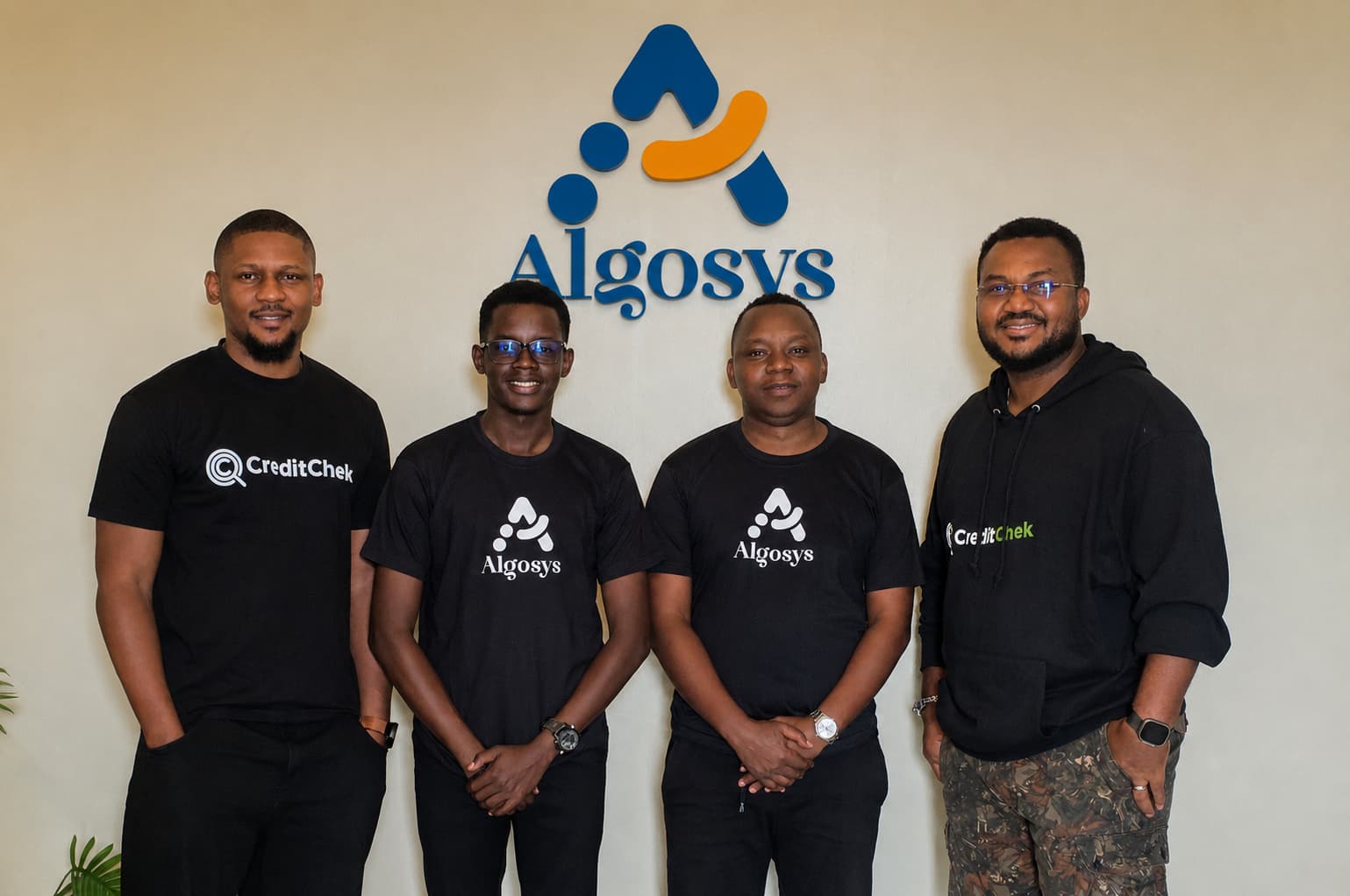
When Nigerian fintech CreditChek announced its acquisition of Ugandan core banking software startup Algosys, the headline was simple: "Expansion into East Africa." But if you're a founder or builder, you know the interesting part of any story is never the headline. The real play here isn't just geographic expansion; it’s a strategic, full-court press to own the entire loan lifecycle for African lenders.
This isn't merely about adding another flag to the map; it's about fundamentally reshaping CreditChek's product and market position. They're moving from being a data provider to an infrastructure provider – a much stickier, higher-value proposition.
The First Story: What Happened?
CreditChek, a Nigerian fintech focused on credit assessment infrastructure, has acquired Algosys, a Ugandan startup specializing in core banking and lending software. Algosys, founded in 2024 by Innocent Bigega and Simon Tayebwa, already serves 22 financial institutions in Uganda, including a significant number of SACCOs, and has facilitated over 10,000 loans. CreditChek recently raised $600,000, signaling its intent to scale.
This acquisition brings Algosys’s established customer base and core banking technology into CreditChek’s fold. Algosys will continue operating as a subsidiary, maintaining its existing customer relationships while CreditChek explores integrations to introduce its broader lending and credit infrastructure. The plan isn't to simply "copy and paste" the Nigerian model but to adapt to Uganda's local realities.
The Second Story: Why This Matters (The Strategic Play)
The real story here is CreditChek’s audacious bet on vertical integration to become the default operating system for African lenders.
Kingsley Ibe, CreditChek’s CEO, articulated it clearly: "We want to move beyond simply providing data to lenders and build the infrastructure that enables them to acquire customers, assess risk, make credit decisions, originate loans and manage those loans throughout their lifecycle."
This isn't just about offering more features; it’s about solving a fundamental pain point for lenders. Today, many African financial institutions (from established banks to local SACCOs navigating their daily cash flow challenges in places like the Owerri bus park) often cobble together disparate systems for everything from identity verification to loan management. This "stitching together" is a developer's nightmare and an operational bottleneck.

CreditChek sees an opportunity not just to fill a gap, but to own the entire pipeline. By acquiring Algosys, they instantly gain a core banking component – the very engine of lending operations – and a pre-existing customer base actively using such a system. This leapfrogs years of potential build-out and sales cycles. It's a strategic move to move up the value chain, increase customer stickiness, and capture a larger slice of revenue from each customer.
The Human Lens: Who Gains and Who Hustles More?
- CreditChek's Founders & Team: They're shifting from a point-solution provider to a platform company. This means bigger markets, more complex product challenges, and potentially higher valuations. It's a significant step up in ambition and execution complexity.
- Algosys's Founders & Team: They gain access to CreditChek's broader tech platform and resources. For a young company (founded 2024), this exit provides validation, capital, and a larger canvas to build on. It’s a good outcome for founders Innocent Bigega and Simon Tayebwa, allowing them to focus on local market needs with more muscle.
- Ugandan Lenders (Algosys's Customers): The promise is a more integrated, seamless experience. Less "jaga-jaga" integration work, potentially better tools for risk assessment and loan management. The hope is for a more unified, efficient tech stack that helps them serve their communities better, from the micro-entrepreneur in Kampala to the farmer needing a SACCO loan.
- Developers & Operators: CreditChek is taking on a massive integration and localization challenge. This translates to intense work for their engineering and product teams, ensuring a cohesive platform that respects varying financial regulations and cultural nuances across markets. For the developers who used to stitch things together, the pain shifts, but hopefully, the end result is a cleaner system.
The Culture & Strategy Lens: The Adaptation Challenge
Lionel Orishane, CreditChek’s CTO, emphasized not "replicating CreditChek in Uganda but to adapt to the local realities." This is critical. While financial infrastructure might seem similar across borders, the devil is in the details:
- Regulatory frameworks: Uganda's financial regulations differ from Nigeria's.
- Customer behavior: How individuals and businesses interact with financial products, their repayment patterns, and trust in digital systems can vary wildly.
- Institutional norms: The operational cadence and needs of a Ugandan SACCO will be distinct from a Nigerian tier-2 bank.
This adaptive strategy is smart but immensely difficult. It requires deep local insight, not just tech prowess. It’s the difference between building a generic app and understanding the "sapa realities" that drive lending decisions in diverse African markets.

The Builder Lens: The Integration Gauntlet
For any builder, the phrase "explore integrations" after an acquisition of a core banking system is code for "we've just started the hardest part." Algosys’s platform is built for core banking and lending. CreditChek’s expertise is in credit assessment infrastructure. Merging these effectively, ensuring data flows seamlessly, maintaining uptime, and then building new features on top – all while serving existing customers – is a monumental engineering and product challenge. It requires disciplined architecture, robust APIs, and a clear migration strategy. The DX (Developer Experience) for internal and external teams will be paramount.
FOUNDERS ADVISOR — STRATEGIC CHALLENGE
The Short Answer
CreditChek isn't just expanding; it's aggressively pursuing a vertical integration strategy to become the indispensable, full-stack operating system for African lenders. The Algosys acquisition provides an immediate foothold and a critical piece of the technology puzzle, but the heavy lifting of true integration and localization has only just begun.
What Is Really Happening
- Market Expansion & Product Deepening (MARKET, PRODUCT): CreditChek gains immediate access to the Ugandan market with 22 existing institutional customers. More importantly, they acquire Algosys's core banking and lending software, transforming their offering from a credit assessment tool to a comprehensive loan lifecycle management platform. This significantly increases their potential addressable market and value proposition.
- Increased LTV & Moat Building (BUSINESS MODEL, COMPETITION): By owning more of the lender's tech stack, CreditChek aims to increase the Lifetime Value (LTV) and Average Revenue Per User (ARPU) from each customer. A deeply integrated platform creates higher switching costs, building a stronger competitive moat against point-solution providers. This is a classic "platform play" strategy.
- Buy vs. Build Acceleration (TECHNOLOGY, OPERATIONS): Acquiring Algosys is a strategic 'buy' decision to accelerate CreditChek's roadmap. Building a robust core banking system from scratch would take years and significant capital. This acquisition gives them a tested product and customer base, fast-tracking their vision. However, it introduces significant operational and technical integration challenges.
- Local Expertise & Adaptation (CULTURE, DISTRIBUTION): CreditChek acknowledges the need for local adaptation. Algosys's existing relationships and understanding of Uganda's financial institutions (especially SACCOs) are invaluable. This isn't just about selling software; it’s about understanding the unique rhythms of commerce and finance in a specific African market, much like the intricacies of the Onitsha commerce hustle.
The Assumption I'd Challenge
The assumption I'd challenge is the ease and speed of truly "adapting to local realities" while simultaneously "giving customers a common technology platform." This is a tricky balance. True adaptation means significant engineering effort, potentially leading to divergent product lines or substantial customization, which can quickly turn into an operational nightmare. The bigger risk isn't failing to expand; it's getting bogged down in trying to be all things to all local markets, leading to fragmented development, slower innovation, and an unsustainable cost structure.
The Strategic Options
- Deep Integration & Unification (CreditChek's stated path): Fully integrate Algosys's tech into CreditChek's platform, creating a single, comprehensive product offering across markets. This maximizes LTV and moat but demands immense engineering and localization resources.
- Operate as Distinct Subsidiaries with Shared Back-End: Allow Algosys to largely operate autonomously on the front end, leveraging its local brand and expertise, while CreditChek focuses on integrating the back-end infrastructure (e.g., credit assessment engine) as shared services. This balances local relevance with some economies of scale.
- Use Algosys as a Distribution Channel Only: Maintain Algosys purely as a customer base and local team, gradually porting CreditChek's existing products onto Algosys's customer base, but not necessarily merging the core technologies deeply. Less ambitious technologically, but quicker to market for CreditChek's existing products.
My Recommendation
Option 2: Operate as Distinct Subsidiaries with a Shared Back-End.
This approach allows CreditChek to immediately benefit from Algosys's existing customers and local expertise without getting immediately mired in a full-scale, risky rip-and-replace integration of core banking systems. It acknowledges the complexity of financial infrastructure across markets ("no gree for anybody" on regulatory compliance) while still pursuing the strategic goal of a unified back-end for credit and loan management.
What I Would Do Next
- Deep Dive on Algosys's Tech Debt & Architecture: Before any major integration, understand Algosys's codebase, technical debt, and existing integration points with its 22 FIs. This is critical for assessing true integration cost and timeline.
- Define Minimum Viable Integration (MVI): Identify the absolute core components of CreditChek's credit infrastructure that can be integrated with Algosys's platform without disrupting existing customer operations. Focus on high-value, low-risk integrations first.
- Dedicated "Local Realities" Product Team (Uganda): Form a small, autonomous product and engineering team based in Uganda, composed of Algosys veterans and new hires, empowered to deeply understand and cater to Ugandan market needs. Their initial mandate is not to integrate with CreditChek, but to ensure Algosys’s existing product continues to thrive and improve for its local customers.
- Strategic Pilot Programs: Instead of a big bang, select 1-2 Algosys customers for pilot integrations of CreditChek's advanced credit assessment tools, gathering direct feedback on usability, performance, and local relevance.
- Regulatory Deep Dive: Engage with Ugandan financial regulators immediately to understand the implications of this acquisition and any specific requirements for offering combined services.
What Would Change My Mind
- Unexpectedly Clean Algosys Architecture: If Algosys's core banking system proves to be exceptionally modular, API-driven, and designed for easy integration from day one, then a faster, deeper integration (closer to Option 1) might be feasible with a higher confidence level.
- Strong Customer Demand for Full CreditChek Suite: If Algosys’s existing customers are clamoring for CreditChek’s advanced credit assessment features immediately and are willing to undergo significant system changes, that would shift the urgency and risk tolerance for deeper integration.
- Rapid Harmonization of African Fintech Regulations: While unlikely, significant progress in standardizing financial regulations across East and West Africa would dramatically reduce the "local realities" challenge, making a "common technology platform" much more achievable and less costly to adapt.
Related from Nigeria
Let's build your next big product.
Accepting project-based freelance, remote engineering roles, and hybrid positions.