R300M, Three Years, And The Quiet Shift In South African Tech Funding
Mamor Capital just hit first close on their R300M fund after a three-year grind. This isn't just another capital injection; it's a potent signal about the maturing *and* institutionalizing South African tech investment landscape, driven by local money and a sharp focus on commercially proven businesses.
When you hear "fund closes first round," your mind probably jumps to the shiny press releases, the celebratory selfies, and the implied ease of capital flowing like a Gbagada express lane. But let's pump the brakes on that narrative for a minute. The real story of Mamor Capital’s R300M (USD 18.8M) first close for its South African tech fund, on its way to a ZAR 550M target, is far more instructive and, frankly, more human.
This isn't just about money. It's about three years of relentless pushing, the kind of "no gree for anybody" persistence that defines true founders. It’s about a deliberate, strategic pivot in the type of businesses getting funded in South Africa, and a powerful statement from local institutional capital.
What Actually Happened
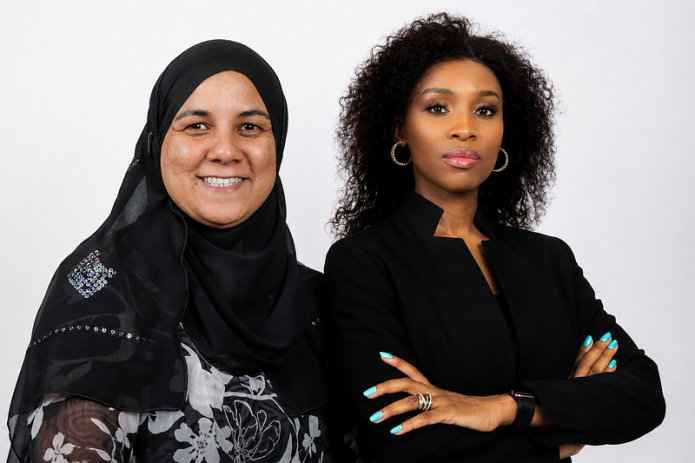
Mamor Capital Ventures, a Johannesburg-based, black women-owned firm co-founded by CEO Mamokete Ramathe and CFO Fuzlin Levy-Hassen, has officially reached its first close of R300M. This capital is earmarked for investing immediately in post-revenue technology businesses in South Africa. The fund's target is R550M ($34M), and they've been on this grind for over three years.
The heavy hitters anchoring this fund are crucial: the Public Investment Corporation (PIC), the SA SME Fund’s High Impact Seed Fund of Funds, Technology Innovation Agency, and Small Enterprise Development and Finance Agency. Their investment thesis is clear: back commercially proven businesses that leverage technology to expand financial and digital access and economic participation.
The Second Story: Why This Matters More Than You Think
The typical narrative focuses on the amount raised. But for a founder, the interesting thing about this story isn't merely the R300M. It is actually a multi-layered signal about maturity, strategy, and the shifting dynamics of capital in Africa.
First, let's talk about the three-year fundraising journey. This isn't a quick sprint; it's an ultra-marathon. It tells you two things: (1) the founders, Ramathe and Levy-Hassen, have an almost unbreakable conviction and resilience. They've faced countless rejections, refinements, and negotiations to get here. This is the grit every founder needs, whether you're building a SaaS platform in Akure or a logistics network out of Owerri. (2) It hints at the complex, often slow-moving beast that is institutional capital. Securing anchors like PIC requires deep due diligence, alignment of mandates, and a lot of patience.
Second, the "post-revenue technology businesses" focus is a significant tell. For years, the narrative in African tech funding has been heavily skewed towards seed and early-stage bets – the big ideas, the potential. While that's still critical, Mamor's thesis signals a growing appetite for ventures that have moved beyond hypothesis to actual market validation. These are companies that have figured out initial product-market fit, have customers paying, and have some semblance of unit economics. This isn't just about derisking for investors; it’s about acknowledging that for many foundational problems in Africa, scalable, commercially viable solutions are already operating, needing growth capital, not just proof-of-concept money.

Third, the anchors are predominantly local, institutionally-backed entities. This isn't just about "local money for local problems." It's about a conscious decision by large, often government-linked, South African institutions to invest into the tech ecosystem. This brings stability, potentially larger follow-on rounds, and a deeper understanding of the local context than many foreign VCs might possess. However, it can also come with mandates around job creation, local economic impact, or specific empowerment criteria (which aligns well with Mamor being black women-owned). For founders, this means understanding the full scope of your investor's objectives.
Finally, Mamor being a black women-owned firm isn't just a feel-good story; it's a strategic differentiator. In a continent where gender and racial biases still affect access to capital, this firm represents both a necessary correction and a unique lens for identifying underserved markets and founders. They are likely to see value in spaces and teams that traditionally male-dominated or foreign VCs might overlook, particularly in sectors focused on financial and digital inclusion, which often serve large, unbanked or underbanked populations. Think about the granular struggles and opportunities in the Onitsha commerce hustle – these insights are often best understood by those living closer to the ground realities.
FOUNDER DIRECTIVE / ADVISORY SECTION
The Short Answer
Mamor Capital’s first close isn’t just money; it's a clear indicator that South Africa's tech investment scene is maturing. Local institutional capital is stepping up, focusing on proven, post-revenue businesses, and a diverse set of fund managers are emerging. If you're building a tech company in SA, especially one solving financial or digital access issues, you now have a new, significant player to consider—one that values traction over just potential.
What Is Really Happening
The South African tech investment landscape is undergoing a structural shift. The three-year fundraising timeline shows the grit required to mobilize large local institutional capital. The focus on "post-revenue" businesses signals a strategic move towards derisking investments and scaling proven models, rather than solely funding early-stage ideation. Furthermore, the anchoring by entities like PIC suggests a growing alignment between national development goals and venture capital deployment. Mamor Capital, as a black women-owned firm, also represents an important diversification of capital allocation and perspective within the ecosystem, capable of unlocking opportunities in overlooked segments.

The Assumption I'd Challenge
The assumption I'd challenge for founders is that "post-revenue" automatically means you're a safe bet. While having revenue certainly derisks you, it doesn't guarantee exponential growth or strong unit economics. Just because you're making money today doesn't mean your business model is defensible, scalable, or resilient to competition or market shifts. Many businesses hit a revenue plateau. The real challenge for Mamor's portfolio companies will be proving they're not just making money, but that they have a clear, repeatable, and cost-effective path to scaling that revenue dramatically, maintaining healthy margins, and building a structural moat. Revenue is a start, but sustained, exponential, and defensible growth is what VC funds are truly after.
The Strategic Options
- For Post-Revenue SA Tech Founders: Mamor Capital is now an active, high-conviction investor. If your business aligns with their thesis (financial/digital access, economic participation, proven traction), prepare your metrics, articulate your growth levers, and tell a compelling story beyond just current revenue. Understand their institutional LPs' broader mandates.
- For Early-Stage SA Tech Founders: Observe this trend. While Mamor isn't for you yet, this signals a maturing ecosystem where future growth rounds might increasingly come from such funds. Focus on hitting that post-revenue, commercially proven stage faster and more robustly.
- For Aspiring Fund Managers (especially diverse teams): Mamor's journey proves that with relentless effort, a sharp thesis, and strategic alignment, significant local capital can be mobilized. Your differentiator (e.g., sector focus, team diversity, impact thesis) can be your strength, but expect a marathon, not a sprint.
- For Policy Makers/Ecosystem Builders: The success of funds like Mamor, especially with institutional anchors, highlights the potential for public-private partnerships to fuel tech growth. Consider how to streamline access to such capital and align national development goals with venture investment.
My Recommendation
For a post-revenue tech founder in South Africa aiming for growth capital, my recommendation is to proactively research Mamor Capital. Don't just send a generic pitch deck. Understand their anchors' mandates (PIC, SA SME Fund) and how your business contributes to broader economic participation and access. Clearly demonstrate your unit economics, your customer acquisition strategy (CAC/LTV), and your team's capability to scale beyond your current revenue numbers. Show them why you are commercially proven and poised for significant, defensible growth.
What I Would Do Next
If I were a founder fitting Mamor's investment profile:
- Deep Dive: Research Mamokete Ramathe, Fuzlin Levy-Hassen, and their team. Understand their backgrounds, previous investments (if public), and public statements.
- Strategic Narrative: Refine my pitch deck to directly address their "post-revenue," "financial/digital access," and "economic participation" criteria. Quantify my impact metrics alongside financial ones.
- Warm Intro: Actively seek a warm introduction through my network. A cold email for a R300M fund is a low-percentage shot.
- Operational Readiness: Ensure my financials are impeccable, my legal structure is solid, and my operational plans for scaling are well-defined. They're investing in proven businesses, so amateur hour won't cut it.
What Would Change My Mind
My perspective would shift significantly if:
- Mamor's subsequent investments showed a divergence from their stated "post-revenue" thesis, indicating internal pressure or a lack of suitable opportunities. This would suggest their public statement isn't their true strategy.
- The fund struggled significantly to reach its full R550M target, implying that securing the initial anchors was a one-off and broader institutional confidence isn't as robust as it appears.
- Their portfolio companies, despite being "post-revenue," failed to achieve significant follow-on funding or exits, indicating a flaw in the "commercially proven" selection criteria or the fund's ability to support growth effectively.
For now, this first close is a strong, positive signal. It’s a testament to the endurance of its founders and a strategic development in the maturation of South Africa's tech capital landscape. The game is evolving, and those paying attention stand to gain.
Related from Venture
Let's build your next big product.
Accepting project-based freelance, remote engineering roles, and hybrid positions.