Arc Ride's $33M Raise: Not Just Bikes, But the Electric Grid for Africa's Roads
Kenya's ARC Ride just snagged $33.3M to scale electric mobility, but the real story isn't the motorcycles. It's about building the invisible, capital-intensive battery infrastructure that could unlock EV adoption across Africa, one swap station at a time.
When a startup in Nairobi pulls in a cool $33.3 million, it's easy to get caught up in the headline number. And yes, ARC Ride, with its electric two- and three-wheelers, is doing something important. But if you’re a founder looking for deeper lessons, the real insight here isn’t about electrifying bikes. It’s about the strategic playbook for de-risking core infrastructure in nascent, high-growth markets.
This isn't just a mobility play; it’s an energy infrastructure play.
Let's break down what's actually happening behind the numbers and why it matters beyond the shiny electric vehicles.
The News Lens: The Facts on the Ground
ARC Ride, founded in 2018 by Jo Hurst Croft, just closed a $33.3 million round. The cash came from a consortium led by Novastar Ventures and Norrsken22, with heavy hitters like IFC, BII, Proparco, Musashi Seimitsu, and Talanton chipping in. There's also debt from BII’s Kinetic program and Mirova, who previously threw in $10 million.
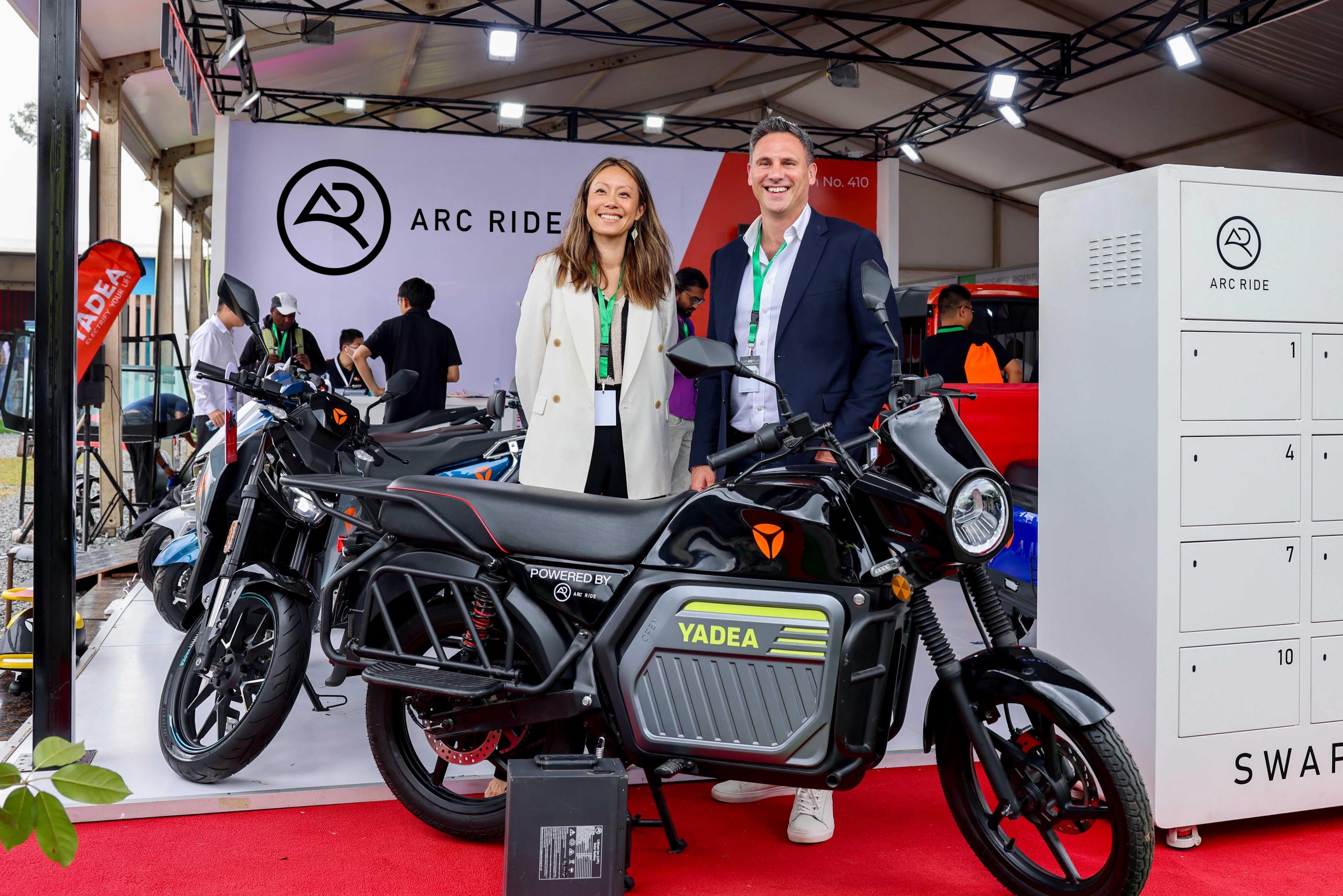
What they do: They're not just selling electric bikes. Their core offering is Battery-as-a-Service (BaaS). Think about it: instead of buying an electric Okada and worrying about where to charge it or how long the battery lasts, you just swap out a depleted battery for a fully charged one at a 'smart station'. It's like buying a new full tank of fuel, instantly.
What the money's for:
- Expansion: Deepening operations in Kenya and spreading to Ghana, South Africa, Tanzania, and Uganda. That's a serious multi-market push.
- Fleet: Adding 5,000 electric motorcycles. This isn't just about selling more bikes; it's about putting more users on their BaaS network.
- Infrastructure: Strengthening battery networks and developing automated swapping, smart charging, and integrating renewable energy sources. This is the real heavy lifting.
ARC Ride claims its network already supports EV manufacturers like Yadea and aims to be the backbone for Africa’s electric transport transition. That's a bold claim, but it's where the smart money is actually going.
The Human Lens: Untangling the 'Sapa' Realities
For the typical rider in a place like Lagos, Owerri, or Nairobi, the cost of fuel is a constant, grinding pressure. Fuel subsidies vanish, prices hike, and the daily hustle gets tougher. An electric two-wheeler should be a no-brainer, but the upfront cost of the battery and the anxiety of charging in areas with unreliable power supply are huge blockers.
ARC Ride's BaaS model cuts through this.
- For Riders: It turns a massive upfront CapEx (the battery, often 30-40% of the EV cost) into a predictable OpEx. No more worrying about battery degradation, charging times, or the reliability of the grid. You just swap and go. This reduces daily operational costs, increases uptime for commercial riders (delivery, ride-hailing), and tackles range anxiety head-on. It's a fundamental shift in the economics of daily transport for millions.
- For Founders/Operators: This validates the infrastructure-first approach. If you’re building anything that relies on mobile power, whether it’s last-mile delivery, agricultural machinery, or even portable energy for street vendors, BaaS offers a blueprint.
The Culture Lens: A Shift in How We Move
Imagine a world where the equivalent of a petrol station is a battery swapping station. It's faster than charging your phone, cleaner, and silent. This isn’t just about economics; it’s about a cultural shift away from the fossil-fuel-driven rhythm of African cities. Quieter streets, cleaner air – especially in bustling centres like Onitsha where vehicle emissions are a palpable challenge. It changes the soundscape and the air quality of urban life.
It also normalizes EVs in a practical, accessible way. No complex home charging solutions needed; just a quick stop at a dedicated station. This helps overcome the perception that EVs are only for the privileged few with access to reliable power and charging points.

The Story Lens: The Invisible Grid
The most interesting story here isn't the electric motorcycles. It's the invisible grid they're building. While everyone talks about electric vehicles, few talk about the massive capital, operational, and technical challenge of powering them at scale in markets like Africa. ARC Ride isn't just selling a product; they're creating the foundational utility that enables a new category of products.
Think of it: the battery is the new fuel, and ARC Ride is building the pipeline, the refinery, and the filling station network all at once. That's a monumental undertaking, and it explains the serious institutional capital coming in. They're investing in a utility, not just a fleet.
The Strategy Lens: Moats Built on Complexity
Why is this happening?
- Market Opportunity: Africa is ripe for two- and three-wheelers, driven by the informal economy and last-mile logistics. It's a massive, underserved mobility market with high fuel costs and often poor roads.
- Solving a Core Pain: The battery is the Achilles' heel of EV adoption. BaaS brilliantly solves cost, range, and charging anxiety in one go.
- Competitive Moats: This is a capital-intensive infrastructure play. Building out thousands of smart swapping stations, managing battery logistics, and securing reliable power sources (especially with renewable integration) creates significant barriers to entry. Once established, the network effect of readily available swap stations becomes incredibly powerful. Switching costs for a rider integrated into such a network are high.
- Unit Economics: By optimizing battery utilization across a large fleet and providing it as a service, ARC Ride can potentially achieve better battery economics than individual owners. The margin lies not just in the bike, but in the recurring revenue from battery swaps.
The Builder Lens: Operational Hurdles and Technical Acumen
This isn't simple.
- Operational Complexity: Managing a distributed network of batteries, ensuring they're charged and available where needed, handling maintenance, and preventing theft are huge logistical challenges. Imagine coordinating battery delivery to an Owerri bus park, ensuring steady power supply for charging in Gbagada, or navigating fluctuating power from the grid in Jos.
- Technical Demands: Developing automated swapping technology, smart charging algorithms, and integrating diverse renewable energy sources (solar, perhaps small hydro) requires serious engineering muscle. Data science on battery health, usage patterns, and predictive maintenance will be crucial to maximize asset life and minimize downtime.
- Supply Chain: Sourcing reliable, durable batteries and EV components at scale, navigating customs, and establishing local maintenance capabilities are non-trivial.

The Short Answer
ARC Ride's $33.3 million isn't just funding electric motorcycles; it's a strategic bet on building the critical battery-as-a-service (BaaS) infrastructure that unlocks mass electric mobility across African markets. They're constructing the foundational 'energy grid' for two- and three-wheelers.
What Is Really Happening
The venture capital and development finance institutions are not merely backing an EV company. They are investing in a utility-like service that de-risks EV adoption by solving the most expensive and inconvenient aspects of electric transport: the battery. By offering BaaS, ARC Ride shifts the burden of battery ownership, charging infrastructure, and degradation from the end-user to a centralized, optimized network. This move has the potential to dramatically accelerate EV adoption in Africa's critical two- and three-wheeler markets, creating a robust, capital-intensive moat for ARC Ride as it scales its network. It's a play to own the power distribution for mobile assets, not just the assets themselves.
The Assumption I'd Challenge
The biggest assumption I'd challenge is that simply securing the capital and rolling out swapping stations guarantees market dominance or operational efficiency across disparate, complex African markets. Scaling infrastructure in Ghana, South Africa, Tanzania, and Uganda, while deepening Kenya operations, presents a multi-front war on logistics, regulatory hurdles, and local market dynamics. Each market will have unique power supply issues, road conditions, and user preferences. The "5,000 electric motorcycles" are a means to an end; the real challenge is achieving optimal utilization and enduring operational resilience for both the bikes and, critically, the battery network itself, day in and day out, in the face of varying local realities. This isn't just about deploying hardware; it's about building a hyper-efficient, data-driven operational machine that can withstand the inevitable 'no gree for anybody' challenges of African operating environments.
The Strategic Options
- Deepen Vertical Integration: Invest further into local battery assembly, repair, or even manufacturing to reduce import reliance and optimize costs/supply chains. This could also mean controlling more of the charging infrastructure, perhaps even generating power locally (as suggested by "renewable-energy capabilities").
- Aggressive Platform Partnerships: Move beyond just supporting EV manufacturers to actively partnering with ride-hailing platforms, logistics companies, and even local micro-entrepreneurs to bundle BaaS with vehicle rentals or purchases, expanding user acquisition rapidly.
- Data Monetization & Optimization: Leverage the vast data generated from battery usage, swap patterns, and vehicle performance to offer predictive maintenance services, insurance products, or even inform urban planning. This could open new revenue streams and improve operational efficiency.
- Modular Energy Solutions: Explore adapting the BaaS model for other mobile energy needs, perhaps for small businesses, agricultural equipment, or even household backup power, diversifying revenue and market reach.
My Recommendation
My recommendation is to prioritize deep operational excellence and hyper-local adaptation in 1-2 key expansion markets before attempting to scale simultaneously across four new countries. The core competitive advantage will be the reliability and convenience of the BaaS network. A poorly executed rollout in one market can cripple confidence in others. Focus relentlessly on building robust, fault-tolerant systems for battery management, predictive maintenance, and localized power sourcing, especially given the varying grid stability. Success here isn't just about the number of stations, but the uptime and efficiency of each station.
What I Would Do Next
- Build a "Market Zero" Playbook: Develop a fully documented, repeatable playbook for entering and scaling in a new market, detailing everything from regulatory navigation and land acquisition for stations to local hiring profiles and community engagement strategies. Test this ruthlessly in Ghana or Uganda first.
- Invest Heavily in AI-Driven Logistics: Develop sophisticated algorithms for battery balancing, predictive failure, and dynamic station replenishment. This is where the 'smart' in 'smart stations' truly pays off in managing a massive distributed asset base efficiently.
- Forge Strategic, Local Power Partnerships: Beyond just renewable energy, secure long-term, favorable power purchase agreements or co-location deals with reliable local power producers or mini-grid operators to guarantee charging infrastructure resilience.
- Focus on Team & Culture: Recruit leaders with deep experience in complex logistics, energy infrastructure, and multi-market operations across Africa. Foster a culture of rigorous problem-solving and operational 'no gree for anybody' execution.
What Would Change My Mind
My mind would shift if I saw:
- Rapid, Widespread Grid Modernization: If African nations suddenly developed hyper-reliable, affordable national grids at an unprecedented pace, the unique selling proposition of BaaS (de-risking charging infrastructure) would diminish, making direct charging solutions more competitive.
- A Game-Changing Battery Breakthrough: A new battery technology that offers ultra-fast charging (minutes, not hours), significantly lower cost, and vastly improved lifespan, rendering the swapping model less compelling by removing key friction points.
- Aggressive Entry of a Global Mobility Giant with Unlimited Capital: If a major player like a Tesla or a major Chinese EV manufacturer decided to flood the African market with integrated, low-cost EVs backed by their own proprietary, heavily subsidized charging infrastructure, it would fundamentally alter the competitive landscape for an independent BaaS provider.

Related from Venture
Let's build your next big product.
Accepting project-based freelance, remote engineering roles, and hybrid positions.