The NGX's Unicorn Hunt: Why Flutterwave Said 'Not Yet' (And What It Means for Your Exit Strategy)
Three years after high-level talks about tech exits on the Nigerian Exchange, Flutterwave’s local IPO plans have vanished, replaced by a ruthless focus on profitability. This isn't just a deferred dream; it's a stark lesson for founders banking on local liquidity.
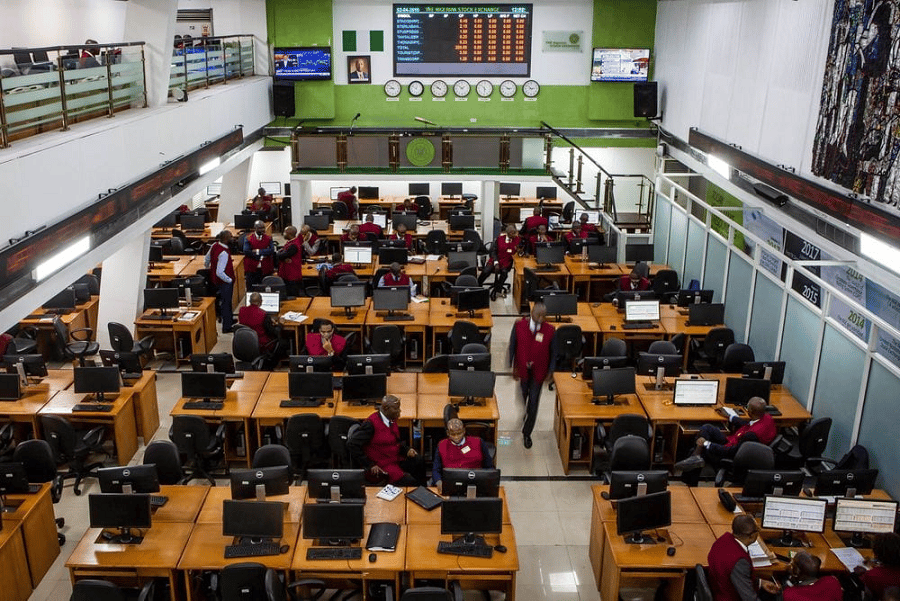
Alright, let's cut through the noise. Back in September 2023, during the UN General Assembly in New York, the talk was all about "Invest in Africa’s Future — Let’s Talk About Exits." Picture it: Flutterwave’s Olugbenga Agboola, NGX CEO Temi Popoola, and Minister Bosun Tijani, all rubbing shoulders. The chatter was loud, promising even, about Flutterwave's eventual IPO, with Popoola making a strong case for a Nigerian Exchange listing. It was the kind of high-level optimism that gets founders dreaming of local liquidity, of celebrating a homegrown unicorn exit on home soil.
Fast forward three years to August 2026, and that vision? Unrealised.
The Deferred Dream: Reality Bites Harder Than Hype
The facts, as reported by Condia Insiders, are clear: Flutterwave has shelved its IPO discussions, pivoting instead to a laser focus on profitability. Meanwhile, Temi Popoola is still on the hunt for the first big tech listing of his tenure on the NGX.
This isn't just a story about a single company or a single exchange. This is a cold shower for anyone who thought the path to a grand tech exit in Nigeria was paved with UNGA discussions and nationalistic sentiment. It reveals a fundamental tension between global market realities and local aspirations.

Who does this hit? Every founder in Gbagada burning the midnight oil, every developer coding away in Akure, every investor patiently waiting for their returns. It affects the perceived maturity of our market, the confidence of the global investment community in African tech, and frankly, the strategic playbooks of countless startups.
The immediate takeaway? Incentives matter more than optics. And right now, the incentives for a tech unicorn like Flutterwave to list locally just don't stack up against the global capital markets' demands or, more critically, against the internal imperative for sustainable business.
From Growth-At-All-Costs to Profitability: A Global Shift, a Local Reckoning
Flutterwave's move to prioritise profitability isn't some arbitrary decision; it's a direct reflection of a global cultural shift in tech. The era of "growth at all costs" fueled by cheap money and a forgiving IPO market is over. Investors, from Silicon Valley to Sandton, are demanding demonstrable, sustainable unit economics. They want to see that a business can actually make money, not just burn through cash in pursuit of market share.
For a company that has scaled significantly, an IPO is not just a fundraising event; it's a statement of maturity, a rite of passage that exposes every line item, every operational inefficiency, and every strategic decision to intense public scrutiny. Preparing for such an event is an enormous undertaking, consuming vast amounts of time, capital, and leadership attention. It requires not just robust financials but impeccable governance, transparent reporting, and the kind of operational rigor that diverts resources from core product development.
If Flutterwave, a company with significant scale and funding, has decided the optimal strategic path is to double down on profitability before even thinking about an IPO, it speaks volumes. It tells us they see more long-term value in shoring up their margins, optimising their operations, and proving out their business model than in chasing a potentially undervalued or ill-timed public debut.
The NGX's Hard Sell: Why Local Isn't Always Lured
This brings us to the NGX's challenge. Temi Popoola's earnest pursuit of a tech listing is understandable. A Flutterwave IPO on the NGX would be a monumental win, validating the exchange's capacity for high-growth tech, boosting liquidity, and potentially sparking a wave of local investment in domestic innovators.
But the reality is stark. The NGX is competing with NASDAQ, NYSE, and LSE for these listings. What are the structural advantages the NGX offers a company like Flutterwave that outweigh the perceived benefits of a global listing?
- Valuation: Can the NGX, with its current investor base and market depth, offer a valuation that truly reflects Flutterwave's global potential, or would it lead to a discount compared to global exchanges?
- Liquidity: For early investors and employees looking for an exit, is the liquidity on the NGX sufficient to handle significant share volumes without tanking the stock price?
- Investor Sophistication: Are local investors sufficiently attuned to the nuances and growth trajectories of a high-tech fintech to provide consistent, informed demand?
- Regulatory Environment: While there's a drive for tech-friendly policies, are the listing requirements and ongoing compliance burdens genuinely competitive?
These are not easy questions. The truth is, building a truly competitive capital market for tech requires more than just goodwill; it requires deep pockets of capital, sophisticated analytical tools, global investor access, and a regulatory framework that is both robust and agile.

The interesting story here isn't just that Flutterwave didn't list on the NGX. It's the stark, real-world collision between patriotic ambition and the cold, hard logic of corporate strategy and global capital markets. It’s a reminder that even the biggest players are subject to the sapa realities of ensuring a healthy balance sheet before seeking public fanfare.
FOUNDER DIRECTIVE / ADVISORY SECTION
Alright, let's pull up a seat. As a founder, this news should trigger some serious strategic rethinking, not just a shrug.
The Short Answer
Flutterwave isn't just delaying; they're re-prioritizing. Their decision to focus on profitability over a premature IPO on the NGX signals a deeper understanding of current market demands and the long-term health of their business. They chose financial prudence over nationalistic appeal.
What Is Really Happening
The global investment landscape has shifted decisively from rewarding 'growth at all costs' to demanding 'profitable growth.' Tech companies, especially those with significant scale, are under immense pressure to demonstrate sustainable business models and healthy margins. An IPO is no longer merely a growth-capital event; it's a rigorous validation of a mature, self-sufficient enterprise. The NGX, despite its ambitions, currently struggles to offer the valuation, liquidity, and investor depth that global tech giants seek for their public debut. This isn't a slight on Nigeria; it's a reflection of where global capital truly flows for hyper-growth tech.
The Assumption I'd Challenge
The assumption I'd challenge, which I see far too often, is that an IPO, especially a local one, is the only or even the best exit strategy for a high-growth tech company in Africa. You may be optimizing for the wrong metric – chasing an "exit" headlines rather than building an enduring, self-sustaining business. An IPO is a means to an end (liquidity, capital), not the end itself. The bigger risk isn't delaying an IPO; it's rushing one before your business is truly ready for the relentless scrutiny of public markets.
The Strategic Options
For Founders Building Scalable Tech (Like You):
- Ruthless Profitability Focus: Double down on unit economics, operational efficiency, and sustainable revenue models. Build a business that can turn a profit, even if you choose to reinvest for growth. This gives you leverage, whether for future fundraising, M&A, or an eventual IPO.
- Global Capital Market Readiness: Plan your business, governance, and reporting infrastructure as if you'll eventually list on NASDAQ or NYSE. Understand their requirements. This keeps your options open and ensures you're building to a world-class standard.
- Strategic M&A: Don't limit your 'exit' thinking to just an IPO. A strategic acquisition by a larger global player might offer better returns, quicker liquidity, and less operational overhead than a public listing.
For the Nigerian Exchange (NGX) and Policymakers:
- Differentiated Listing Mechanisms: Explore creating a truly tech-friendly board with adjusted listing criteria, perhaps focused on revenue multiples or user growth metrics alongside traditional profitability, akin to some junior markets globally.
- Investor Education & Cultivation: Work actively to educate local institutional and retail investors on how to value and understand high-growth tech companies. Encourage specialist funds focused on technology.
- Global Partnerships: Partner with global exchanges or investment banks to co-list or cross-list, offering local companies access to broader capital while still having a domestic presence.
My Recommendation
For any founder reading this from their workstation in Owerri or their shared office in Lekki: Don't build your company for an IPO; build your company for profitability and resilience. The capital markets will always favor a strong, healthy business over a mere growth story. Focus on generating real value, controlling your burn, and achieving sustainable margins. This gives you power and optionality. "No gree for anybody" means no gree for external pressure to go public before you're ready.
What I Would Do Next
If I were leading a company like Flutterwave right now, I would:
- Deep Dive on Unit Economics: Identify every single cost center and revenue driver, and optimize for maximum profitability without sacrificing strategic growth areas.
- Build a 'Global IPO Ready' Internal Machine: Even if the IPO is years away, start implementing the financial reporting, governance, and compliance structures required by major global exchanges. This makes you a more attractive target for investors and acquirers.
- Engage with Global Banks/Advisors: Maintain open dialogue with major global investment banks to understand the real-time pulse of public markets and what they'd demand for a successful listing when the time is truly right.
What Would Change My Mind
My recommendation for founders to prioritize profitability over a premature local IPO would shift under a few key conditions:
- Significant NGX Structural Reform: If the NGX implemented drastic changes that demonstrably improved tech company valuations, offered competitive liquidity, and attracted a deep pool of sophisticated, tech-savvy institutional investors locally.
- A Global Reversion to 'Growth at All Costs': If the global capital markets suddenly swung back to enthusiastically funding unprofitable growth stories with sky-high multiples, then the calculus for an IPO might change. (High confidence: This is unlikely to happen anytime soon).
- Overwhelming Strategic National Imperative: In a hypothetical scenario where a local listing unlocked a truly game-changing strategic advantage (e.g., exclusive government contracts, preferential access to a massive national market) that could not be achieved otherwise, then a local IPO might be considered earlier. (Moderate confidence: Such specific, tangible benefits are rare and often come with their own risks).

Until then, founders, keep building with precision. The market wants substance, not just flash.
Related from Nigeria
Let's build your next big product.
Accepting project-based freelance, remote engineering roles, and hybrid positions.