Selling What You Don't Own: Why Tokenized Pre-IPO Stocks Just Blew Up on the Cap Table
The failure of tokenized SpaceX and Anthropic shares wasn't a blockchain bug. It was the brutal collision between smart contract hype and corporate law.
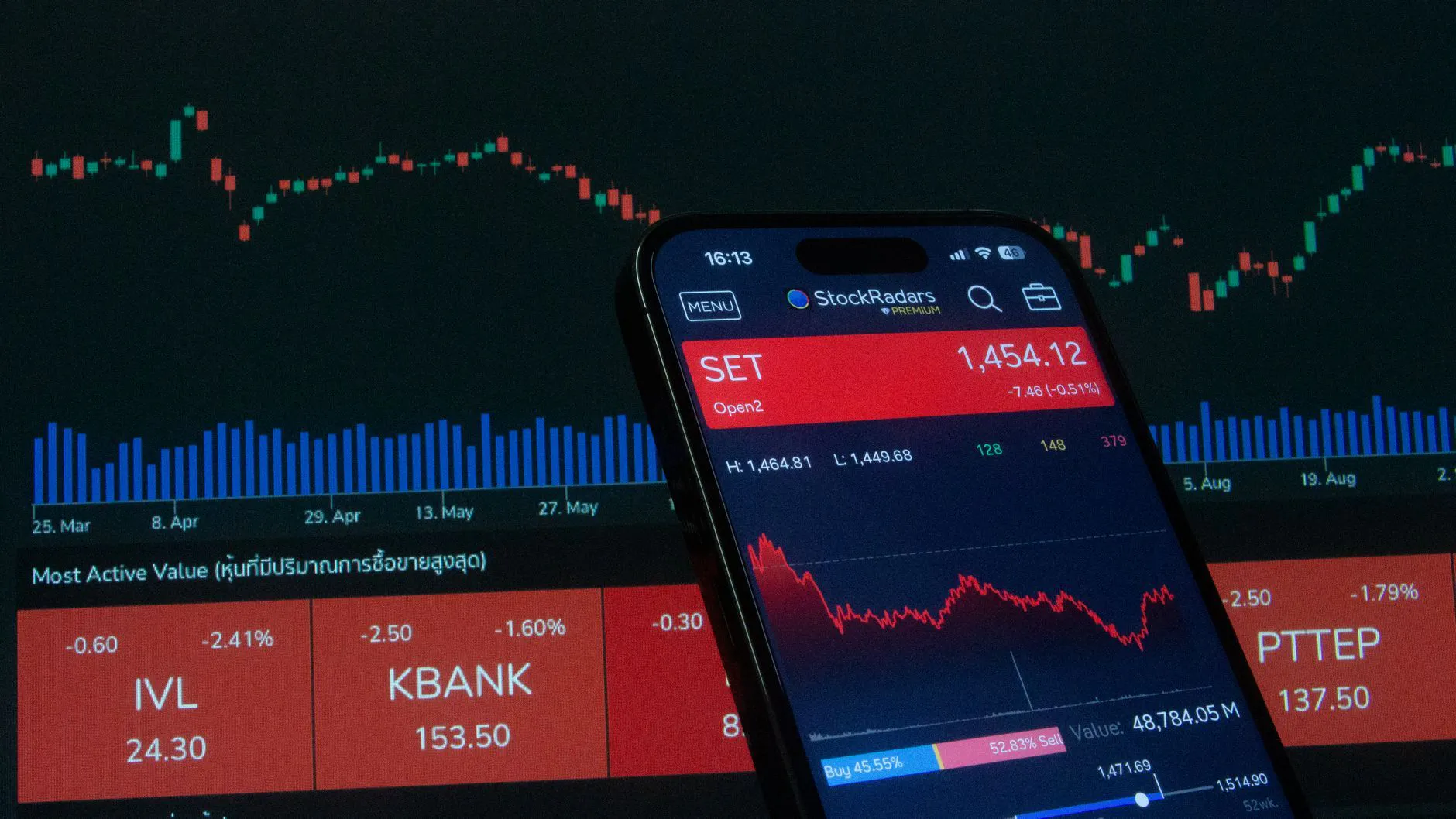
The interesting thing about the summer 2026 tokenized stock collapse is not merely that retail investors got burned on pre-IPO allocations. It is actually that the crypto industry spent five years building high-throughput smart contract infrastructure only to reinvent the 1920s bucket shop.
When SpaceX’s massive $75 billion offering saw over $250 billion in institutional appetite, platforms peddling tokenized allocations threw up their hands, canceled orders, and issued refunds. Weeks earlier, OpenAI and Anthropic outright warned that unauthorized synthetic secondary transfers—specifically those wrapped in opaque Special Purpose Vehicles (SPVs)—are legally void. The tokens cratered by nearly 40% overnight. On PreStocks, an Anthropic token traded at an implied $1.5 trillion valuation while the underlying platform held barely $23 million in total balance-sheet assets.

This was not a smart contract exploit. No one drained a liquidity pool or broke an elliptic curve. The failure happened because software builders forgot an unyielding reality: code cannot execute on a cap table that explicitly rejects its existence.
The Anatomy of an IOU Engine
In trading hubs from the Onitsha Main Market to global financial exchanges, there is one non-negotiable rule of commerce: you cannot deliver what you do not control. If an importer in trade merchandise sells warehouse receipts for container shipments he has not cleared with port authorities, the entire operation collapses the moment buyers demand inspection.
Yet, that is precisely how most pre-IPO Real World Asset (RWA) platforms structured their offerings.
+-------------------------------------------------------------+
|                     The Tokenized Illusion                  |
|                                                             |
|   [ Retail Buyer ] ---> [ ERC-20 Token on DEX ]             |
|                                  |                          |
|                       (Claims economic interest)            |
|                                  v                          |
|                     [ Layer-N Offshore SPV ]                |
|                                  |                          |
|                   (Subject to Transfer Lock & ROFR)         |
|                                  v                          |
|               [ Actual Cap Table: OpenAI / SpaceX ]         |
|               (Status: Transfer Legally Void / Rejected)    |
+-------------------------------------------------------------+
Here is the operational breakdown of what went wrong:
- The Phantom Cap Table: Top-tier private tech companies enforce aggressive Rights of First Refusal (ROFR) and strict board approval gates on share transfers. When an employee or secondary seller attempts to park shares in an unapproved SPV to issue ERC-20 wrappers, the company's general counsel simply marks the transfer void.
- Fractional Illusion vs. Legal Ownership: An ERC-20 token minted against a third-party claim is not equity; it is an unsecured promise from an offshore intermediary.
- The Illiquidity Squeeze: When retail buyers rushed to buy SpaceX allocations, platforms took user stablecoins upfront under the assumption they could source secondary liquidity later. When institutional demand surged, secondary paper disappeared. Platforms were caught structurally naked.

Founders building in fintech—whether hacking together ledger systems in a Gbagada workstation or engineering payment rails in London—must internalize this: wrapping an unenforceable claim in a cryptographic token does not make it an enforceable asset.
The Short Answer
Tokenized pre-IPO platforms failed because they treated equity as an abstract numeric balance instead of a legally bound corporate claim. You cannot build a durable financial product when your primary asset supplier (the issuing enterprise) actively litigates to nullify your collateral.
What Is Really Happening
The crypto ecosystem is experiencing a hard reality check at the boundary where on-chain execution meets off-chain jurisdiction.
Platforms tried to bypass the cumbersome, relationship-driven world of institutional secondary brokers by creating fractional synthetic tokens. But in doing so, they took on massive directional and operational risk. They sold forward contracts without holding underlying inventory, hoping to settle trades post-allocation. When major issuers like Anthropic exercised their legal authority to block unapproved transfers, the secondary inventory dried up, leaving platforms holding nothing but unbacked liabilities.
The Assumption I'd Challenge
The assumption being made across the RWA sector is that distribution is the bottleneck in private markets.
Founders believe that if they build the frontend, spin up automated market makers, and enable retail access with a Metamask wallet, capital efficiency will follow.
The part I would challenge is this: Distribution is easy; custody and legal enforceability are the actual moats. Private equity is illiquid by corporate design, not because the technology to trade it didn't exist. Companies keep cap tables tight specifically to prevent hostile proxy battles, competitor espionage, and regulatory filing triggers. If your architecture relies on the company ignoring your end-around, your business model is a regulatory countdown timer.

The Strategic Options
If you are building infrastructure in the tokenized security or secondary liquidity market, you have three architectures available:
| Architecture | Operational Mechanism | Legal Robustness | Scalability |
|---|---|---|---|
| Option A: Pure Synthetic / Perpetual Swaps | Cash-settled derivatives pegged to an index price; zero claim on underlying equity. | Medium (purely a regulatory derivatives play) | High (requires no physical cap table settlement) |
| Option B: Issuer-Sanctioned Cap Table Tokenization | Direct primary integration with issuer registry (e.g., via SEC-approved transfer agent). | Extreme (direct property rights) | Low to Medium (requires direct issuer buy-in) |
| Option C: Unsanctioned SPV Wrappers (The Broken Model) | Stacking offshore entities to bypass ROFR without corporate consent. | Zero (vulnerable to immediate cancellation) | Illusory (breaks at scale) |
My Recommendation
Drop Option C entirely. If your company operates on the assumption that you can quietly pool private shares into an SPV and syndicate them globally without enterprise consent, you are accumulating unquantifiable legal debt.
Pivot your product strategy toward Option B (direct issuer-permissioned workflows) or Option A (transparent, cash-settled contracts for difference where users explicitly understand they hold a derivative, not company stock).
If you are targeting private equity tokenization, your primary product customer is not the retail buyer—it is the CFO and General Counsel of the issuing company. Build transfer-agent compliance, automated accredited investor verification, and board-level cap-table governance directly into the contract interface.
What I Would Do Next
- Audit Underlying Collateral: If you run an asset platform, conduct an immediate legal audit on every SPV structure. Ensure explicit, written transfer approval exists from the issuer’s corporate secretary.
- Decouple Marketing from Direct Stock Claims: Update all UI and product disclosures. If a token represents a debt claim on an intermediary rather than direct beneficial ownership, state it plainly.
- Build Issuer-Facing Tooling: Shift engineering resources away from retail trading UIs and toward automated compliance APIs (transfer agent hooks, identity layers, and restricted ledger modules).
What Would Change My Mind
I would reconsider this stance if regulatory authorities and corporate registries establish a standardized statutory framework that explicitly forces private companies to recognize secondary SPV token holders as beneficial owners, overriding internal board approval rights. Until corporate law strips private companies of the right to control their cap tables, unbacked synthetic tokenization will remain a fragile facade.
Related from Tech
Let's build your next big product.
Accepting project-based freelance, remote engineering roles, and hybrid positions.