The Obvious Play: Why We're Still Leaving Money on the Table
Reading about women in African tech, it's clear the talent is here. So why are we still fumbling the bag when it comes to capital? This isn't just about fairness; it's about smart business.
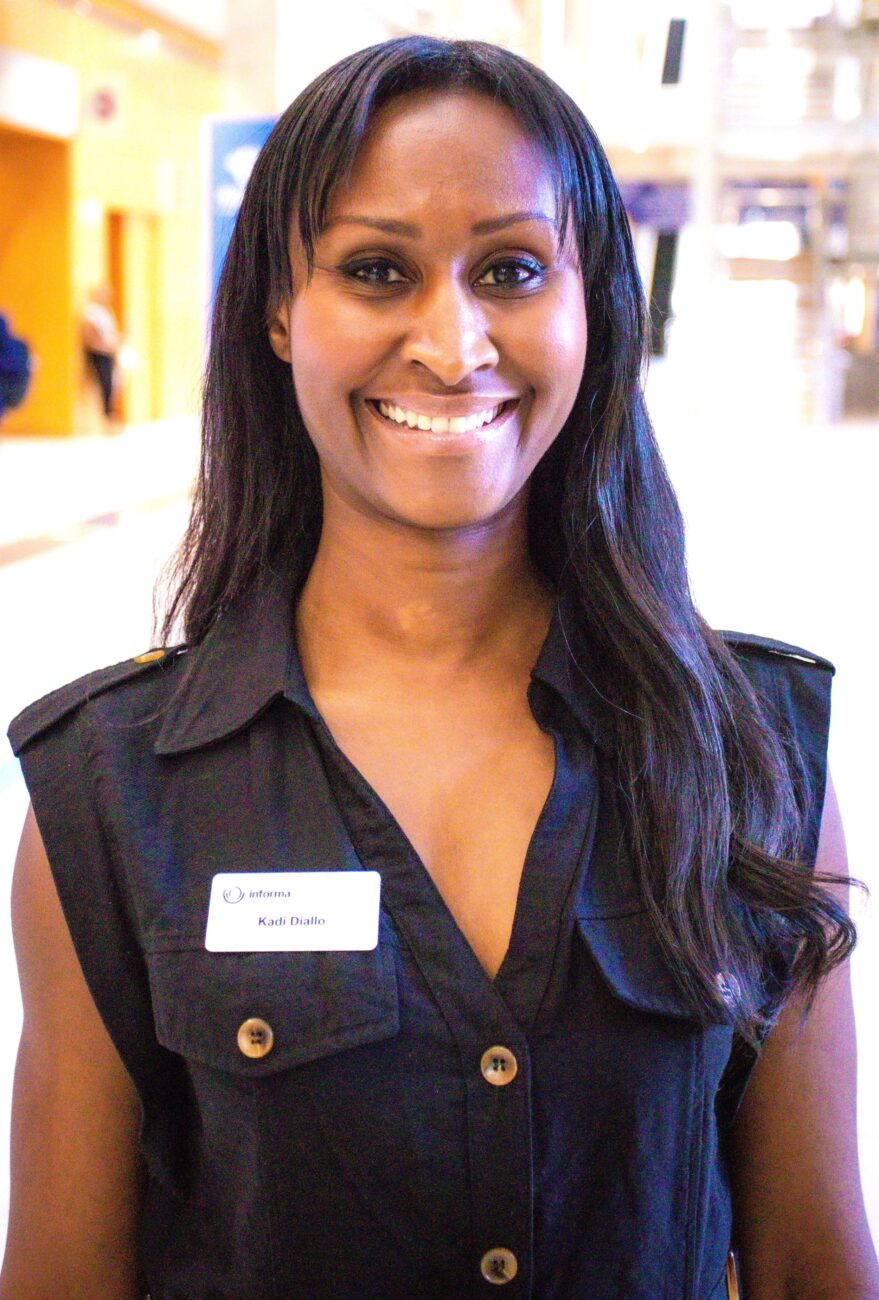
Alright, let's talk about something that gets my blood boiling a bit, even on a cold Jos morning. I just finished reading this piece from TechCityNG, and honestly, the gist of it isn't new, but the data hit me differently today. We have women in Africa, in Nigeria, building, leading, innovating, across every layer of the tech stack – from founding startups in AgTech in Kano to running data departments in big banks in Lagos. The talent? Definitely here. The leadership? Undeniable.
So why, for the love of clean code, are we still having this conversation about capital access?
The Pipeline Isn't the Problem
The article points out that the share of African startups with at least one female co-founder has climbed to almost one in five. That's progress, no doubt. I see it when I'm at meetups, when I scroll through LinkedIn, even in the dev communities I'm part of. There are women in Akure coding robust payment APIs, in Onitsha launching e-commerce platforms, in Port Harcourt building edtech solutions. The "pipeline" isn't just growing; it's vibrant, resilient, and full of "no gree for anybody" energy.
But then you get to the punchline: these women-led ventures still get only a tiny fraction of startup funding. And here's the kicker – the data shows they often outperform their male-led counterparts. This isn't just an anecdotal observation; it's backed by reports from the African Private Capital Association and others.
As a builder, this feels like an obvious bug in the system. You've got a component that consistently performs better, yet you're not allocating resources to scale it. It doesn't make logical sense.

Beyond Claps and Visibility
I appreciate the shout-outs to mentorship and visibility programs. They've done good work, no doubt, opening doors and building networks. But the article nails it: we've moved past "creating opportunities for individuals" to "fixing the systems."
What does "fixing the systems" mean for us on the ground?
Procurement: This is huge. Banks, telcos, government agencies – they spend billions on tech and infrastructure. How many of those contracts actually go to local, women-owned tech businesses? A small, sharp dev shop run by women in, say, Kaduna, might have a killer solution, but they're often blocked by opaque processes or existing "vendor lists" that haven't been updated since 2010. Opening up procurement isn't just about equity; it's about bringing fresh perspectives and often, more efficient solutions into play. It's about diversifying the tech supply chain, reducing vendor lock-in, and frankly, stimulating local economies more effectively.
Funding Mandates: This is where the VCs and innovation arms of big corps need to step up. It's not about charity. If the data says women-led businesses grow faster, then setting clear goals for backing them should be a core investment strategy, not a CSR initiative. The example from Uganda, where mobile lending schemes boosted women entrepreneurs' profits by 15% in eight months, is a prime case. That's real impact, real returns.

It's About Building Better, Not Just Talking
Sitting at my workstation in Gbagada, hammering out code, I often think about the "why" behind what we build. It's about solving problems, creating value, making life easier. When the system itself becomes a barrier to the best problem-solvers, that's a problem we all need to fix.
This isn't about some distant "strategic imperative." It's about me, as a founder, knowing that when I'm looking for partners, for talent, for companies to collaborate with, I shouldn't have to wade through an unnecessarily biased ecosystem. It's about ensuring that the next generation of Nigerian tech leaders, regardless of gender, has a clear path to capital and contracts if their ideas and execution are solid.
The women are already deploying capital, shaping policy, scaling companies. They are the influence. The question is: are the rest of us actually building the on-ramps to match that energy? It's not about inventing new solutions; it's about consistency and scaling what already works. Let's get to it. It’s the smart play, not just the right one.

Related from Nigeria
Let's build your next big product.
Accepting project-based freelance, remote engineering roles, and hybrid positions.