Green Apps, Purple Apps, and Why the Hong Kong IPO Talk Actually Matters
While traditional bank apps were throwing 502 gateway errors, OPay and PalmPay built payment rails that actually work in traffic. Now they're chasing billions on foreign stock exchanges.
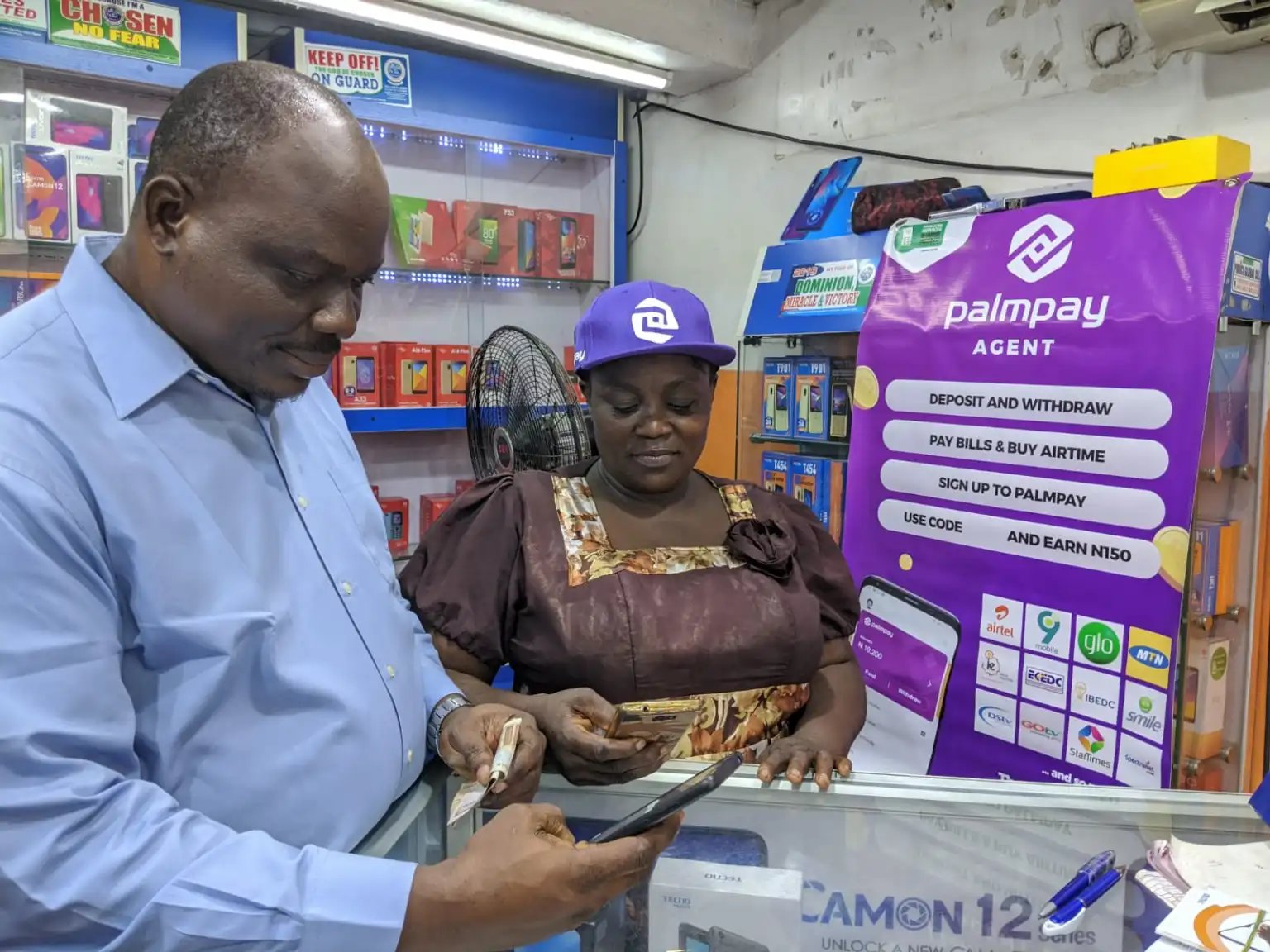
Try buying roasted corn at a bus park in Owerri or paying a shop owner in Onitsha main market using a traditional bank app on a Friday evening. Good luck. Half the time, the bank's mobile gateway drops your request before you can even paste the account number.
That single, painful user experience is why PalmPay and OPay practically own consumer payments in Nigeria today. And now, word on the street is that PalmPay is quietly setting up a Hong Kong IPO to raise around $200 million at a valuation over $1 billion. Meanwhile, OPay is aiming even higher with a potential $4 billion US listing.
While Flutterwave has hit the pause button on its own public listing plans, these two fintech giants are pushing ahead. But beyond the wild valuation numbers being tossed around by investment bankers, there’s a much grounded story here about distribution, uptime, and brutal execution.

Distribution Beats Elegance Every Single Time
If you look back to 2019, PalmPay didn't just win users by throwing ad money around. They had a secret distribution channel that most software developers completely overlooked: Transsion.
When millions of Nigerians unboxed brand new Tecno, Infinix, and Itel phones, PalmPay was already sitting right there on the home screen. They didn't have to convince people to open the Google Play Store or burn expensive mobile data to download an app. The app was already inside the pocket of every student, artisan, and small business owner dealing with Sapa.
Add a $40 million seed round and a subsequent $100 million Series A, and PalmPay had enough engine fuel to build out a massive network. OPay did something similar, starting as a messy super app offering ride-hailing and food delivery before stripping away the noise to double down on what Nigerians actually needed: sub-second money transfers and POS terminals that don't fail when network signals drop.
The Engineering Challenge Behind $12 Billion a Month
It’s easy to look at OPay’s reported $12 billion in monthly transaction volume and write it off as just high-level finance stuff. But from a developer standpoint, processing that volume in a country with unpredictable telecommunications infrastructure is an absolute nightmare of an engineering problem.

When the cash crunch hit a couple of years ago, traditional bank backends completely melted down. Database connections pool timeouts, webhook failures, and unhandled exceptions were everywhere. OPay and PalmPay stayed up because their infrastructure was built for high concurrency and low latency from day one. They handled webhooks gracefully, built solid fallback mechanisms, and made push notifications instant.
That technical reliability built user trust—something money alone can't buy in this market.
What New Regulations Mean for the Rest of Us
The Central Bank of Nigeria recently threw a curveball into the mix, directing POS agents to register with only one financial institution. On paper, it looks like a regulatory headache. On the ground, it actually hands a huge advantage to OPay and PalmPay because their existing agent footprints are already massive.

For those of us sitting in quiet workstations in Gbagada or cranking out code late at night in Akure, this changes how we think about product strategy. You don't compete with these guys by building "another payment app." That ship has sailed. The opportunity now lies in building specialized tools on top of the rails they’ve laid down—niche SaaS for merchants, automated inventory systems, or embedded finance products that plug into their APIs.
Whether PalmPay eventually rings the bell in Hong Kong or OPay lands on Wall Street, the lesson for local product builders stays the same: solve the immediate, ugly infrastructure problems first. The scale—and the billions—will follow.
Related from Nigeria
Let's build your next big product.
Accepting project-based freelance, remote engineering roles, and hybrid positions.