Panels, OpenAI, and SEC Chiefs: But Who Is Fixing Our API Latency?
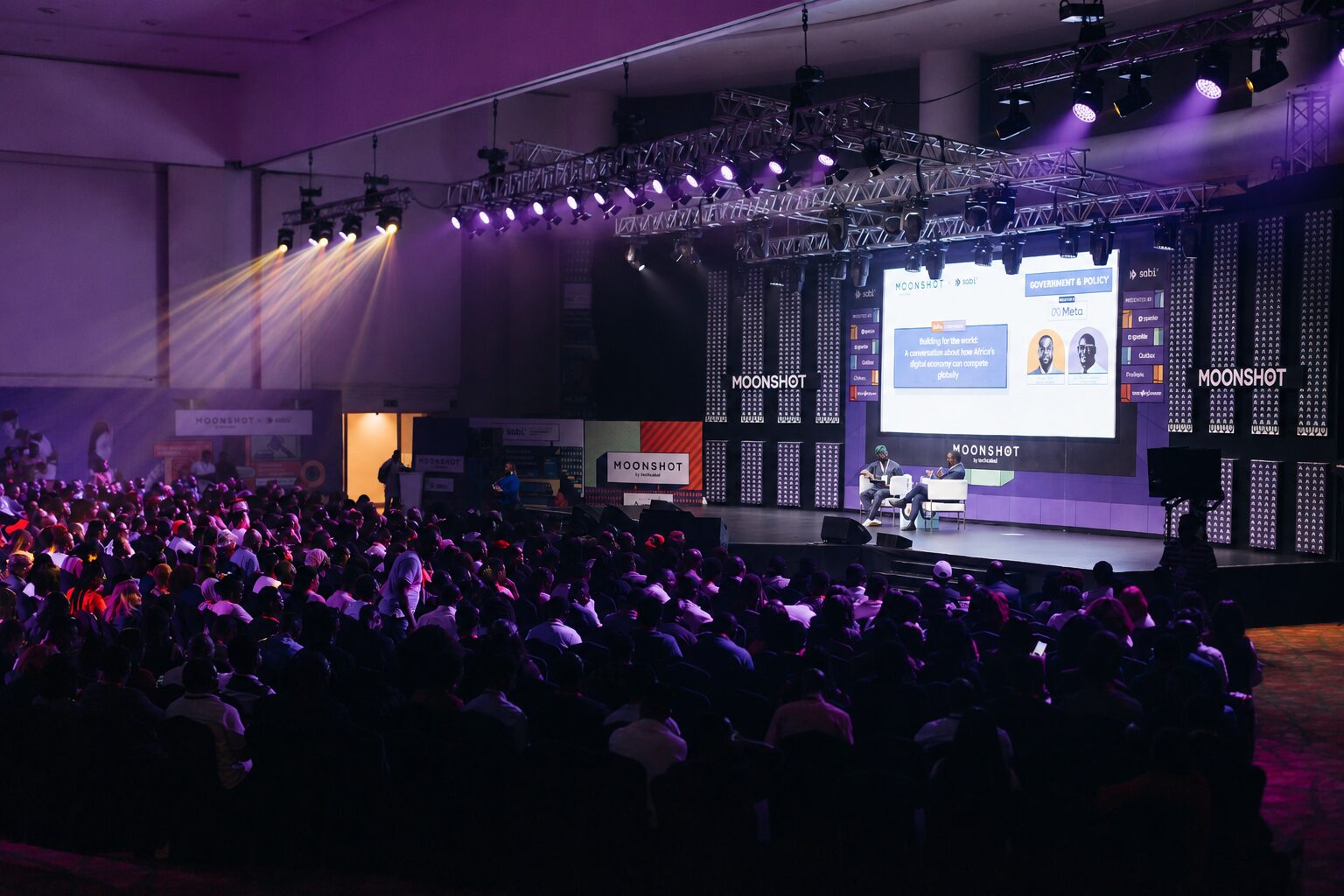
TechCabal just dropped the speaker lineup for Moonshot 2026. High-level speeches about 'owning value' sound great, but here is what building actually looks like when you're in the trenches shipping product.
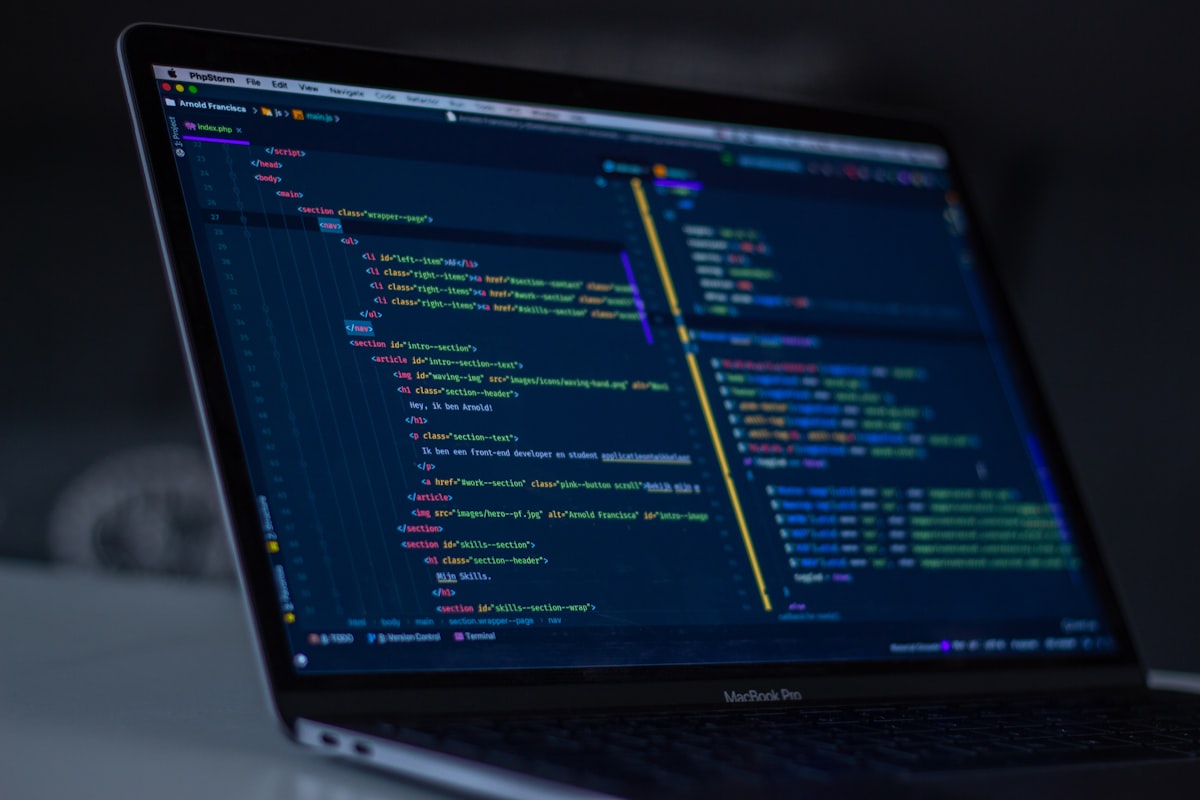
Nothing wakes you up faster at 3 AM in a quiet Gbagada workstation than an API route throwing a random 504 Gateway Timeout right when you're trying to push a hotfix to production. You sit there, staring at VS Code, sipping lukewarm coffee, wondering if it’s your internet service provider, your cloud provider, or just bad luck.
So when I saw the announcement for Moonshot 2026 boasting speakers from OpenAI Africa, Flutterwave, and the SEC, my developer brain instantly split in two.
One half was excited—seeing OpenAI's Africa Lead on the same roster as Nigeria's top securities regulator is a huge shift. The other half, the guy who actually writes code and deals with database migrations, immediately wondered: Are we going to talk about real engineering execution, or are we just getting another round of keynote speeches?

OpenAI Meets the SEC: What Does This Actually Mean on the Ground?
The headliners are solid. Having Emmanuel Lubanzadio from OpenAI and Dr. Emomotimi Agama from the SEC on stage together is interesting.
If you build software in Nigeria, regulation isn't some abstract policy topic discussed over wine. It’s a sudden 403 Forbidden on your business model. You wake up, and a new circular means your payment engine needs three extra compliance checks, or your crypto-adjacent feature has to be scrapped entirely.
And then there's AI. Right now, half the "AI startups" popping up across Africa are basically thin wrapper UI layers sitting on top of OpenAI’s endpoints. That’s fine for a weekend project or an MVP, but if we're talking about "owning the value we create"—as Tomiwa Aladekomo put it—wrapper apps won't cut it.
I want to hear how local teams can run smaller, fine-tuned open-source models locally without breaking the bank on AWS bills. I want to know how we handle latency when making LLM calls from servers that are thousands of miles away.
Beyond the Lagos Bubble
The theme this year is Courage & Conviction: Building for a New World. Big Cabal Media is saying the tech scene has survived the funding winter and the "Sapa" phase, and now it’s time to build long-term institutions.
Fair enough. But building long-term tech in this ecosystem requires a specific kind of mental resilience.
It’s the developer in Akure writing backend logic while monitoring their inverter system to make sure the battery doesn't drop below 20%. It’s the team in Jos coding through freezing mornings, dealing with inconsistent payment gateways while trying to onboard users in Owerri who expect app responses in under 200 milliseconds regardless of network signal.
When Idorenyin Obong from Grey talks about building with local relevance and global ambition, that hits home. Grey solved a very real, painful problem for African freelancers getting paid from abroad. They didn't do it with pitch-deck poetry; they built bank account infrastructure that actually works when you hit 'Transfer'.
What I Want to See on October 28
I’m glad the event is moving to the National Theatre. That’s a legendary venue, and it's good to see tech taking up space in places with history.

Across those nine content tracks—Emerging Tech, Future of Commerce, FUEL—I hope the breakout sessions dive into the unglamorous work:
- DB Optimization & Edge Computing: How do we handle heavy read/write loads when local infrastructure isn't ideal?
- Regulatory APIs: Instead of regulators just giving speeches, can we build real-time sandbox environments where developers can test compliance logic programmatically?
- Cross-Border Payments Execution: What does it take to build payment routing that doesn't drop 15% of transactions during peak hours?
We’ve already proven that Nigerian builders "no gree for anybody." We can survive bad macroeconomic cycles, currency swings, and funding droughts. The next step isn't just surviving—it's writing software that is so well-architected, stable, and fast that nobody cares where the server was deployed from.
If Moonshot 2026 can bridge the gap between high-level policy and raw engineering execution, count me in. Until then, back to my terminal—these error logs aren't going to fix themselves.
Related from Nigeria
Let's build your next big product.
Accepting project-based freelance, remote engineering roles, and hybrid positions.