Panels Don't Fix Broken APIs: My Take on Moonshot 2026
OpenAI and the SEC are sharing a stage in Lagos this October. As someone writing code in the trenches, here is what actually needs to happen when the mic turns off.
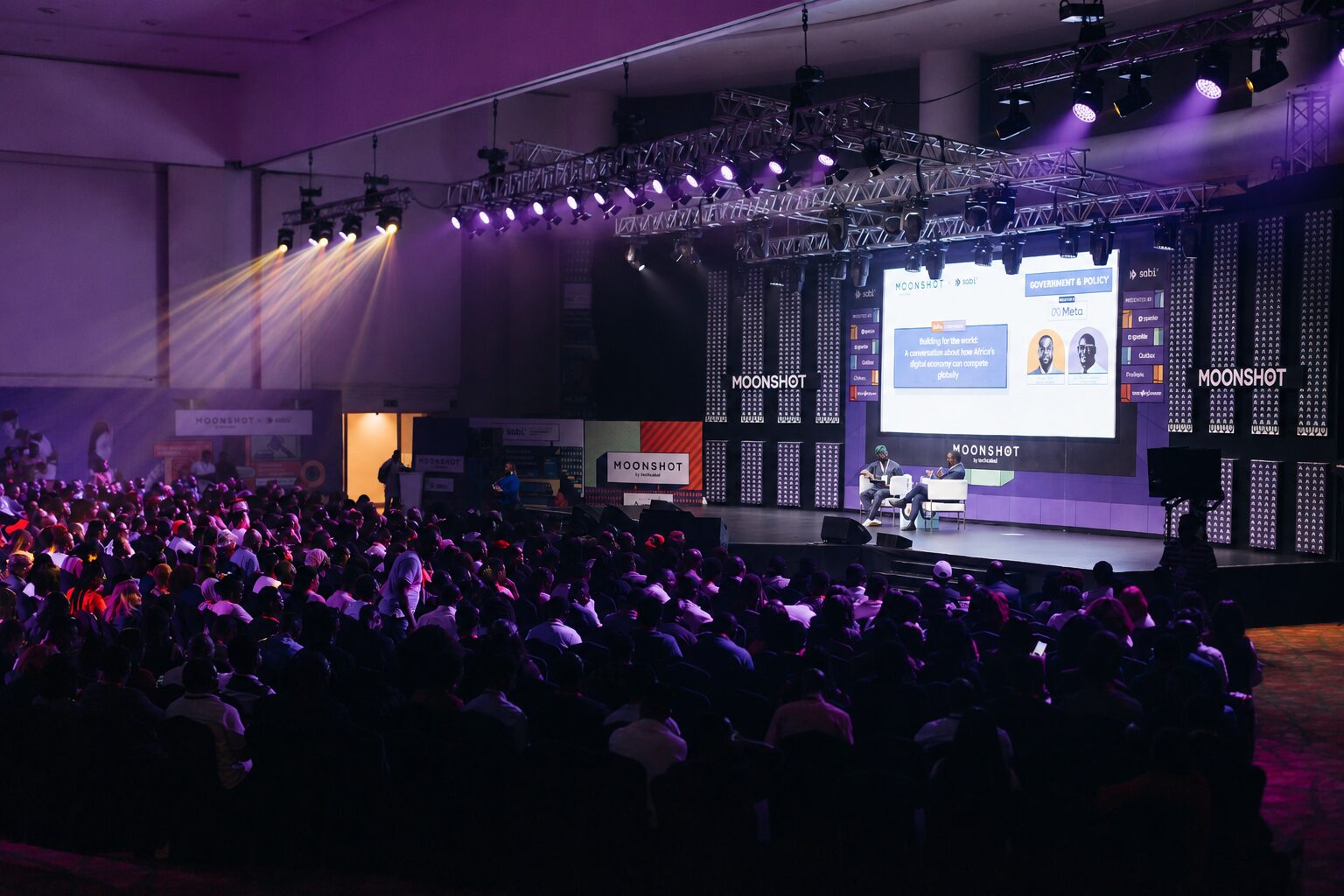
Every time a shiny new tech conference gets announced, my knee-jerk reaction isn't to look at the VIP list. It's to check if my production server will survive the weekend without throwing a 502 Bad Gateway.
So when TechCabal dropped the line-up for Moonshot 2026 coming to the National Theatre in Lagos—complete with OpenAI's Africa lead, Flutterwave's GB Agboola, and the head of Nigeria's SEC—I felt a mix of genuine curiosity and healthy dev skepticism.
The theme is Courage & Conviction: Building for a New World. Sounds great on a poster. But what does it actually mean for those of us pushing commits at midnight?
OpenAI Africa and the Wrapper Problem
Having Emmanuel Lubanzadio from OpenAI on the ground is interesting. But let’s be honest with ourselves: right now, 80% of "AI startups" popping up across the continent are just thin wrapper apps around GPT-4 calls.

Building AI products out here isn't just about tweaking prompts. It's about dealing with FX rates spiking your token bills overnight, handling high latency when user requests bounce through distant servers, and trying to get models to understand how trade actually works in main market Onitsha or a spare parts shop in Ladipo.
If OpenAI coming to Africa means better local endpoints, localized fine-tuning datasets, and infrastructure that doesn't burn through startup runway in USD, I’m all in. If it’s just another high-level panel on "the future of work," I’ll stick to my VS Code terminal.
Regulatory Pull Requests
Having Dr. Emomotimi Agama from the SEC on stage with fintech founders like Idorenyin Obong from Grey is probably the most practical move on the speaker list.
As developers, we are usually the last to know when a regulatory policy shifts, but we're the first to suffer. Nothing ruins a developer's week quite like a sudden compliance directive that forces you to tear down your onboarding flow, rebuild your KYC integration, and ship an emergency hotfix to production by 8:00 AM on a Monday.
When regulators and engineering founders sit in the same room, my hope is simple: clearer APIs, sandbox environments that actually work, and policies written by people who understand how modern databases function.

Moving Past the "Sapa" Survival Era
Tomiwa Aladekomo from Big Cabal Media mentioned that African tech has turned the corner—that we've survived funding corrections and market recalibrations. He's right. The No gree for anybody mindset kept a lot of products alive through brutal economic conditions over the past two years.
But survival mode leaves behind technical debt.
When you're constantly dodging Sapa, you build fast and dirty. You skip writing unit tests. You ignore database indexing until a query takes four seconds to execute. You rely on third-party services for everything because you don't have the runway to build your own engine.
If Moonshot 2026 is pushing for "owning critical infrastructure," that means we need to talk about hard engineering problems:
- Building local payment routing that doesn't drop transactions when network providers glitch.
- Running distributed systems that stay reliable even when power goes out at a workstation in Akure or a cold morning hub in Jos.
- Designing UX that works on cheap Android phones running on 3G connections in Owerri bus parks.
I might actually make the trip down to the National Theatre in October just to see if the conversations hit these hard technical realities. But until then, there are bugs to squash, queues to optimize, and code to ship.
Related from Nigeria
Let's build your next big product.
Accepting project-based freelance, remote engineering roles, and hybrid positions.