Global Chaos, Foreign Cloud APIs, and Why I'm Building Offline-First This Week
When foreign political circuses and global volatility start creeping into server latencies and API pricing, relying blindly on distant infrastructure becomes a massive liability.
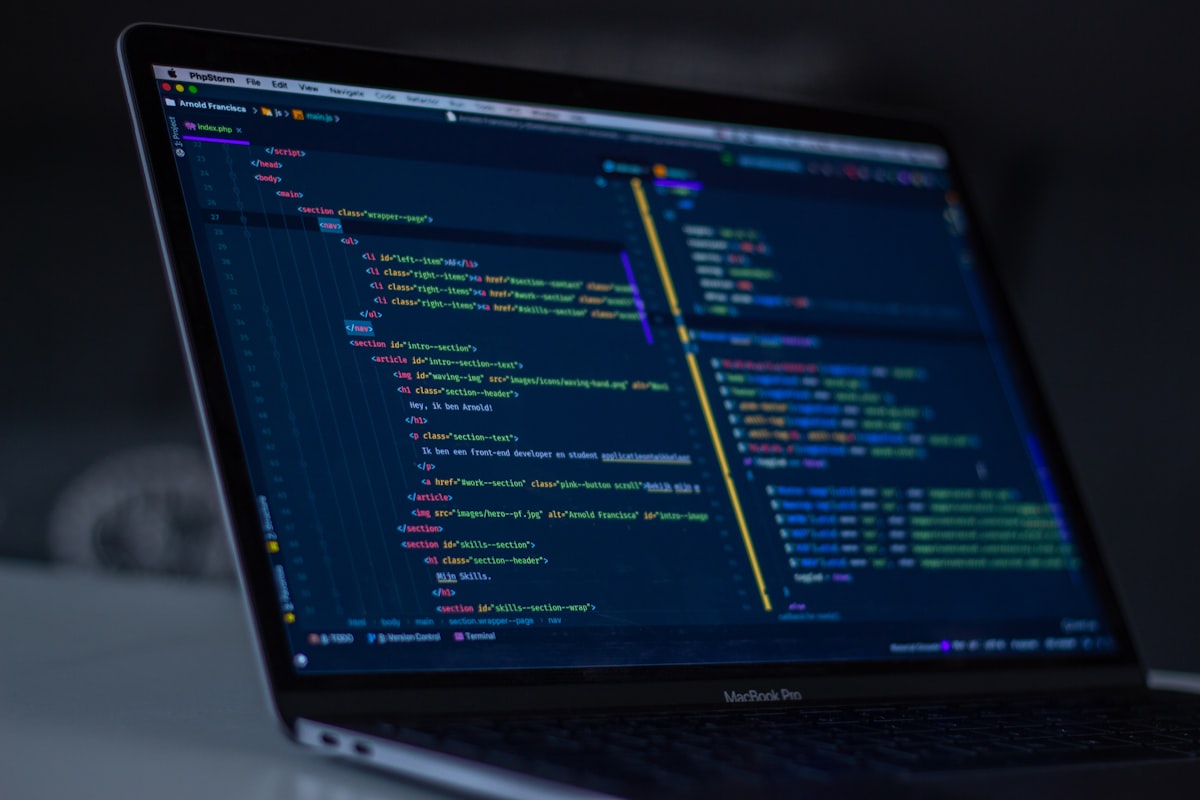
My terminal buffer just spat out another 504 Gateway Timeout, and my eyes are burning. It is past midnight here in Jos, the cold air is leaking through the window frame, and I’m sitting in my workspace questioning every single foreign third-party API currently sitting in our codebase.
Skimming through today's world news while waiting for a build pipeline to green-light feels like watching a slow-motion multi-car pileup. You’ve got US politicians playing legal dodgeball in Senate confirmation hearings, public figures ducking under the Fifth Amendment, and reports of missiles crossing European borders. Everyone in a suit is busy dodging responsibility or blowing things up.

As a developer sitting thousands of miles away, I don't care about political theater. What I do care about is the technical fragility it exposes. We build modern products assuming the rest of the world operates on a calm, highly available, infinite utility grid. But when foreign institutions grind to a halt or regional conflicts flare up, digital pipelines feel the hit. Internet traffic routes get rerouted, cloud providers silently tweak regional latency targets, and suddenly that shiny microservice hosted in Northern Virginia starts acting sluggish for a user tapping away on their phone in Nigeria.
The Problem with Soft Dependencies
If you are building software here, you already know about designing around unpredictable conditions. But too many local engineering teams still blindly copy-paste tech stacks straight out of Silicon Valley tutorials. They architect apps assuming 99.99% uptime from foreign cloud providers, fast unmetered fiber, and seamless monthly subscriptions charged in USD.
Then reality hits. The exchange rate swings, your virtual dollar card declines, or an upstream routing table collapses halfway across the globe.

Try explaining an AWS availability zone incident to a merchant at Main Market in Onitsha who is trying to record a cash transaction before closing shop. He doesn't want to hear about serverless cold starts or data center outages in Virginia. He wants his app to record the sale immediately, write it to local storage, and sync to the cloud whenever his Starlink or mobile network connection decides to behave.
What I'm Stripping Out This Week
I'm done letting remote infrastructure dictate whether our local users can get work done. This week, we're cutting down our external dependencies and re-tooling the backend.
Here is the exact focus:
- Embedded SQLite Caching: Moving critical state management directly to local SQLite databases on the client device. If the server is unreachable because upstream transit is broken or dollar card limits choked our cloud bill, the user shouldn't be blocked from doing basic tasks.
- Ditching Bloated SaaS APIs: Why pay $60/month in scarce USD for a hosted search or analytics platform when a tiny Golang binary running inside a cheap self-hosted container can handle our throughput without complaining?
- Persistent Queues over Synchronous Calls: Every outbound network request now sits behind an idempotent background queue. If a request drops, the app doesn't crash or throw an ugly modal—it retries silently using exponential backoff.
Own Your Execution
"No gree for anybody" isn't just a popular slang phrase; it's a legitimate software architecture strategy. Don't let foreign infrastructure you don't control become the single point of failure for your business.
Build lean, keep your tech stack simple, and write code that expects the wire to be cut at any moment. Back to VS Code I go—before the local power grid decides to take its own unannounced break.
Related from Engineering
Let's build your next big product.
Accepting project-based freelance, remote engineering roles, and hybrid positions.