When the Hardware Subscription Dream Hits the Wall of Default Rates
Building a glossy app for renting laptops and iPhones is the easy part. Managing defaults, bad debt, and physical logistics across Africa will break your system every single time.
Hardware subscriptions look beautiful on a Figma canvas. You design a clean UI, plug in a payment gateway like Paystack or Flutterwave to handle monthly recurring billing, wire up a database, and you think you’ve built the future of retail.
Then real life hits.
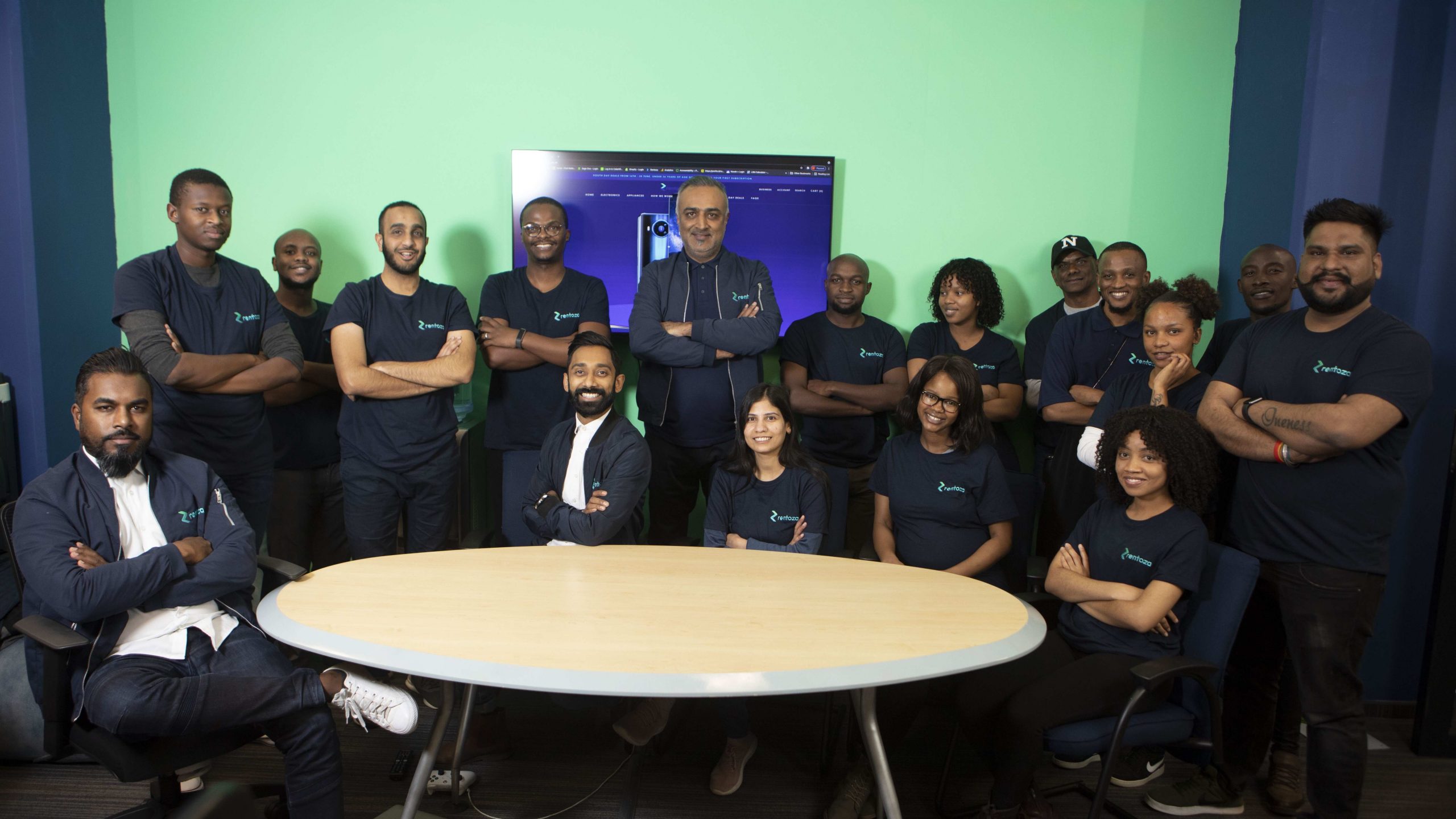
South Africa’s Rentoza just entered voluntary business rescue. They raised over $7 million, peaked at around 14,000 active subscriptions for electronics and appliances, and still ran out of runway. Overdue audits, unpaid debts, and a public plea for legal help just to collect money from delinquent customers—it’s a painful script, but one that feels intimately familiar to anyone who has built fintech or asset-financing tools on this continent.

You Can’t Software-Engineer Away Bad Debt
As developers, we like to think every problem has a technical solution. Payment failed? Add a retry queue with exponential backoff. User ghosting? Send an automated push notification or an SMS trigger.
But when a user’s card bounces because Sapa has landed, no amount of clean TypeScript is going to pull funds out of a zero balance.
Rentoza started as a peer-to-peer rental setup, realized the marketplace dynamics were messier than expected, moved to rent-to-own, and finally settled on subscriptions. When a product pivots that many times around the same core offering, it’s usually because the backend unit economics are screaming.
I’ve sat in a quiet workspace in Gbagada watching logs scroll past during a credit product launch, watching the webhook responses turn red one after another. "Insufficient funds." "Card expired." "Transaction limit exceeded." Writing the code to disburse an asset or grant access takes an afternoon. Building the operational muscle to collect money when things go sideways in Akure or Johannesburg takes years—and millions of dollars you might not have.
The Limits of MDMs and Remote Locking
When you rent or finance hardware, your tech stack usually includes some form of Mobile Device Management (MDM) software. The idea is simple: if the user stops paying for the phone or laptop, you push an over-the-air command to lock the screen, turning the device into a paperweight until they clear their balance.

Here is where the real world breaks the code:
- The Offline Problem: If the user takes the device offline or flashes the firmware at a local repair shop in Onitsha, your fancy cloud-locking API is useless.
- Non-Smart Assets: You can lock a Samsung Galaxy remotely. How do you remote-lock a microwave, a baby stroller, or a washing machine? You can't.
- Repossession Costs: The cost of sending a physical team to recover a $300 appliance often costs more than the asset itself is worth.
When Rentoza put out a public request for proposals asking for legal help to speed up debt collection, that was the ultimate admission: the software could no longer enforce the business logic. They needed human bailiffs and legal summons.
Respecting the Offline Operations
There is a lesson here for everyone building in the African consumer space. We keep trying to turn heavy, physical, operationally complex businesses into light "software platforms." But hardware isn't software. Laptops decay, logistics break down, refunds get delayed, and consumers face brutal inflation that makes paying off a rented gadget the lowest priority on their monthly budget.
Rentoza's business rescue practitioner is now working on a plan to save or wind down the business. I hope they find a path through—the founders put almost a decade into this, and 14,000 subscriptions isn't a small feat.
For the rest of us sitting in front of code editors, it's a stark reminder. Before you launch that next asset-financing or subscription feature, ask yourself: What happens when the API call succeeds, but the human on the other side doesn't pay?
Related from Nigeria
Let's build your next big product.
Accepting project-based freelance, remote engineering roles, and hybrid positions.