Cloud Regions Don't Fireproof Your Code
Watching Europe battle massive wildfires while global oil infrastructure takes another hit is a harsh reminder: the cloud runs on physical hardware, and hardware breaks.
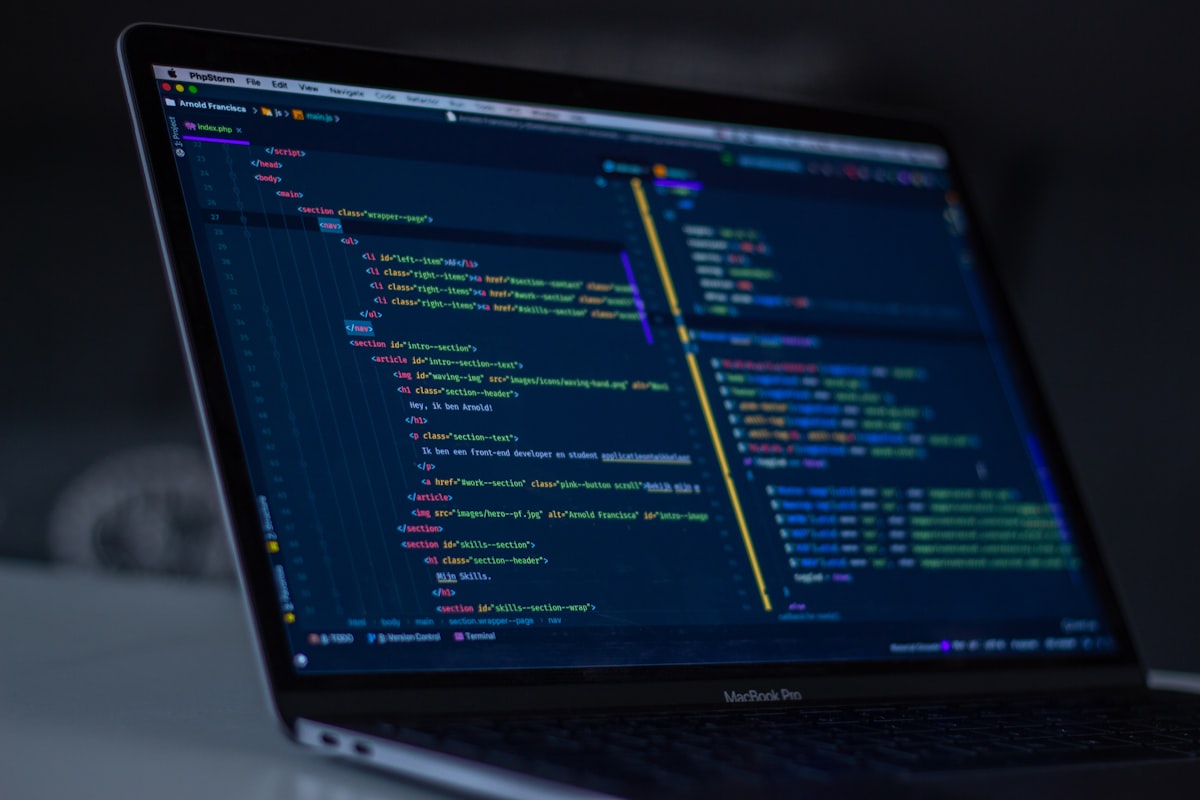
My inverter beeped three times this morning to remind me that the batteries were down to 15 percent. Outside, the sky was grey and cool, but on my laptop screen, half of Europe was literally on fire. Hundreds of thousands of people fleeing wildfires in France and Spain, power grids buckling under strain, and oil facilities getting hit in the Middle East.
As software developers, we like to pretend our applications live in some pristine, ethereal space floating above physical chaos. We spin up an EC2 instance in eu-west-3 (Paris) or setup our Postgres DB in Frankfurt, check the box for automated backups, and assume the job is done.
But when extreme heatwaves force mass evacuations and strain local grids, that abstract cloud starts looking like what it actually is: a building packed with hot silicon that relies on steady power and functioning cooling systems to keep running.

The Myth of the Unbreakable Overseas Region
For years, the standard playbook for developers across Africa has been simple: build locally, host globally. You host your infrastructure in Western Europe because "the infrastructure there never fails."
Well, climate extreme events and security disruptions do not care about your uptime SLA. When regional infrastructure in Europe gets squeezed by heatwaves and fire risks, datacenters face emergency power rationing or elevated operating costs. If your whole stack relies on a single availability zone across the ocean without proper failovers, you are playing a risky game.
Building tech out of Nigeria forces you to understand infrastructure fragility early. If you don't design offline-first mobile apps, users in places like Jos or Onitsha will abandon your app the second a cell tower drops signal. If your backend cannot handle dropped connections and weird latency spikes, it breaks. Now, devs globally are realizing that physical unpredictability is everyone's problem.
High Diesel, Spiking Bills, and the Sapa Reality
When attacks on oil facilities hit the news and energy markets react, the consequences land straight on our desks here. Fuel prices jump, co-working spaces in Gbagada or tech hubs in Akure adjust their membership rates, and cloud bills tick upward due to currency swings.

When you are bootstrapping or running a lean engineering team, burn rate isn't just a term from a YC essay. It is the literal cost of keeping the generator running so your senior dev can push fixes to main before the neighborhood transformer blows.
That is why clean code isn't an aesthetic choice—it is a financial one. Every bloated JavaScript bundle, every unindexed SQL query, and every redundant API polling loop wastes bandwidth, burns server memory, and drains battery life.
How We Build for Chaos
If the global news cycle proves anything, it's that stability is an illusion. We need to write code that assumes everything around it is currently falling apart.
- Multi-Region Fallbacks: Stop leaving all your resources in one primary region. Set up read replicas in secondary regions. If a primary datacenter chokes due to power issues or network outages, your system should failover without taking down your entire business.
- Heavy Caching at the Edge: Push work away from your origin server. Use edge workers (like Cloudflare or Vercel Edge) to serve cached responses close to your users, reducing load on your core database.
- Aggressive Client-Side State Management: Build mobile and web interfaces that store state locally first and sync asynchronously. If the user's connection drops because of a localized blackout, let them keep working locally.

The "No gree for anybody" mindset isn't just a local slang; it's a solid architectural pattern. Don't let bad weather, fragile grids, or unstable network routes break your software.
Software runs on actual earth, copper, cables, and power plants. When those physical systems get shaky, the products that survive are the ones built by developers who write lean, defensive, and paranoid code.
Time to close some tabs and check my local staging environment before the power cuts out again.
Related from Engineering
Let's build your next big product.
Accepting project-based freelance, remote engineering roles, and hybrid positions.