When the US Slaps Tariffs on 80 Countries, My Laptop Import Price Doubles
Global trade wars sound like high-level politics until you try buying a new M-series Mac or paying an AWS bill from Nigeria. Here is how the latest tariff madness hits actual developers.
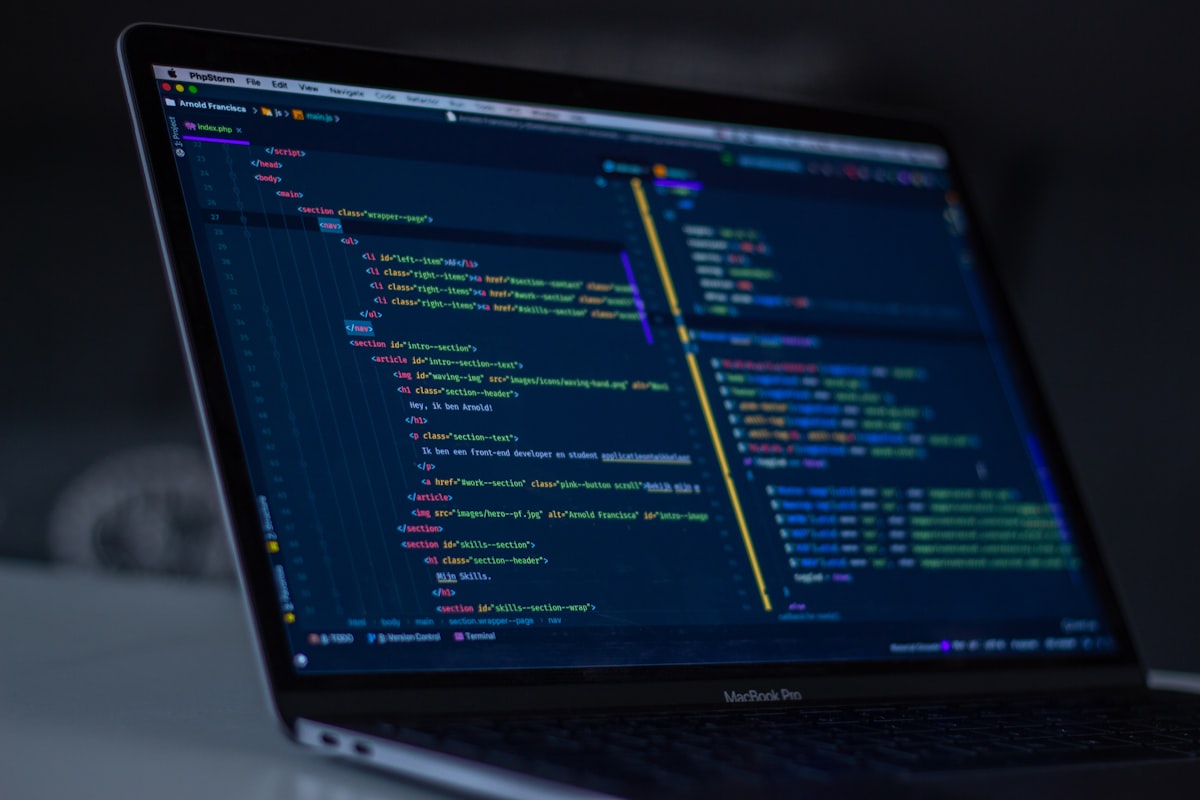
My current development setup is held together by sheer willpower and a prayer. My laptop fan sounds like a jet engine taking off every time I run docker compose up, and I’ve been eyeing a hardware upgrade for two months. Then I look at the headlines: the US administration just slammed new 10% tariffs on over 80 countries, foreign exchange is sliding, and stock markets across Asia are dropping like bad code in production.
If you aren't in the tech trenches, you might think trade policy is just noise for suits on television. But for those of us pushing code from a chilly morning desk in Jos or trying to keep a server alive from a workstation in Akure, these global economic shocks land straight on our credit cards.

The Real Cost of Sourcing Hardware
We don't manufacture dev-grade chips here. Every MacBook, every server rack, every mechanical keyboard, and every router we use comes through international trade routes.
When the US triggers trade friction across dozens of countries, supply chains freeze up. The importer in Onitsha who usually brings in refurbished ThinkPads suddenly has to pay extra customs duties and higher shipping fees. By the time that hardware reaches a young dev trying to land their first remote gig, the price tag has jumped by 40%.
Sapa is already real, but paying two million Naira for a mid-range work machine because global politicians are playing chicken with import rates is a whole different level of pain.

Foreign FX and the SaaS Tax Squeeze
It’s not just physical gear. Look at what happens to startup runway when foreign markets start bleeding.
Most Nigerian tech founders I know run lean stacks:
- Cloud hosting billed in US Dollars (AWS or DigitalOcean)
- Transactional email services billed in USD
- Error logging, monitoring, and CI/CD tools billed in USD
When international trade tightens and global markets take a hit, foreign clients start trimming their engineering budgets. Overseas founders panic, cut vendor spending, or put hiring freezes on offshore talent. Meanwhile, our subscription invoices remain pegged to the dollar. You wake up, check your dashboard, and realize your hosting cost just ate up half your monthly revenue.
"No gree for anybody" is a great mindset for surviving the hustle, but it doesn't automatically pay a $400 monthly cloud invoice when your card payment keeps getting declined by your local bank.

How We Adapt: Trim the Bloat, Own the Infrastructure
So what do we do when global friction tries to box us in? We optimize.
We stop paying for bloated microservices we don't need. Instead of spinning up five different managed cloud services that drain dollars every hour, we go back to lightweight, self-hosted setups. A single well-tuned VPS running SQLite or PostgreSQL can handle far more traffic than most early-stage products actually get.
We cut out third-party dependencies that charge per API call and start writing lean, efficient code that runs cleanly on local machines before it ever hits a remote server.
Global trade policies are going to remain chaotic. Politicians will keep throwing tariffs around, and foreign exchange rates will keep swinging. But if you can build software that solves real problems without burning through cash like water, you'll survive whatever the global markets throw at us.
Related from Engineering
Let's build your next big product.
Accepting project-based freelance, remote engineering roles, and hybrid positions.