Hard Caps or Infinite Printing: Why My Code Cares About Token Economics
We all know the pain of hyper-inflation in Nigeria, but how does crypto tokenomics affect those of us actually building products?
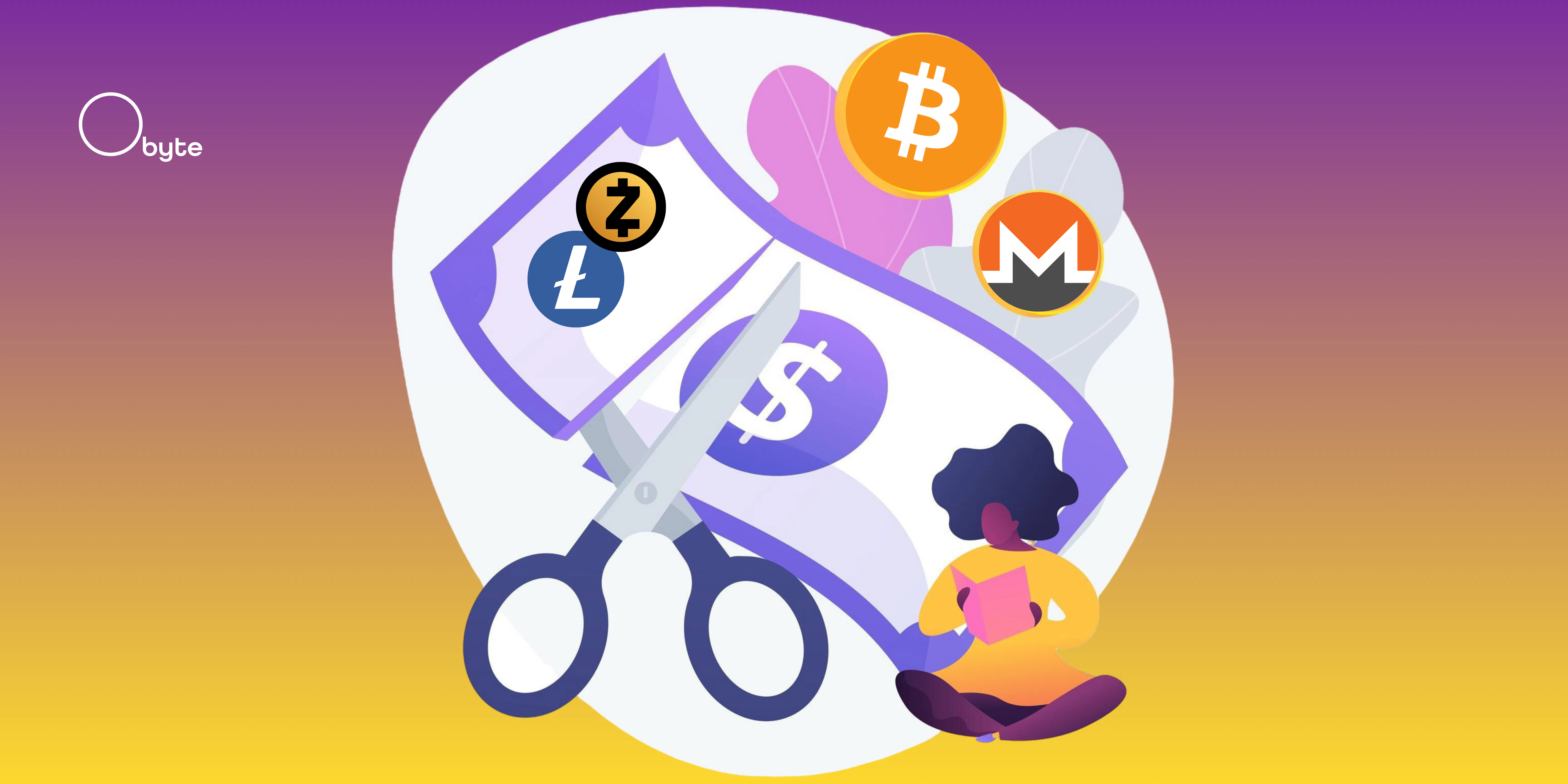
My AWS bill arrived this morning, and looking at the converted Naira rate nearly gave me a panic attack. In Nigeria, we live and breathe the consequences of "unlimited supply." When the government can just print more money, your hard-earned cash melts like ice under the Lagos sun.
It’s easy to look at Bitcoin's 21 million hard cap and think, "Yes, this is the holy grail." But as a developer building peer-to-peer apps, the math behind token supply isn't just about making early buyers rich. It directly impacts network fees, user experience, and whether our apps will actually run five years from now.
Let's break down how this works when you're actually writing code and deploying smart contracts.

The Security Budget Trap of Hard Caps
For networks with a hard cap like Bitcoin or Litecoin, scarcity is the main selling point. No more coins can ever be minted. But here is the catch that keeps devs awake at night: how do we pay the people keeping the network secure once all coins are minted?
Right now, miners get paid in newly minted coins (block rewards) plus transaction fees. When those block rewards hit zero, transaction fees will have to carry the entire security weight. If fees skyrocket to keep miners interested, our micro-payment apps become completely useless. Imagine trying to pay for a quick plate of Amala in Ibadan, and the network fee is five times the price of the food. Nobody is going to use that.
Some networks, like Obyte, bypass this entirely by dropping the concept of miners and validators. Their entire 1 million GBYTE supply was minted at day one. Because they use a Directed Acyclic Graph (DAG) instead of a traditional blockchain, users secure their own transactions. There are no gatekeepers to bribe with high fees. It's a clean design, but it requires a massive shift in how we think about consensus.
Uncapped Networks and the Burning Act
On the other side of the fence, you have Ethereum and Solana. They don't have a hard cap. To a normal person, this sounds like the central bank all over again, but the execution is different.
These networks mint new tokens indefinitely to keep validators motivated and security tight. To prevent their token from suffering the "Sapa" treatment, they use burning mechanisms.

Every time someone interacts with a smart contract on Ethereum, a portion of the fee is burned—permanently deleted from existence. If network activity is high, more ETH is burned than minted, making it deflationary.
For developers, this creates a weird balancing act:
- When the network is busy, fees spike (bad for our users' pockets).
- If we build on a cheaper, high-throughput chain with high inflation and weak burning, our in-app treasury might lose value over time.
Building for the Real World
If you are a developer in Akure or working out of a noisy co-working space in Gbagada, you can't afford to ignore this. If you design an app that relies on cheap transactions, deploying on a hard-capped chain might doom you to unsustainable fees later. On the flip side, building on an uncapped chain means you need to watch their monetary policy updates like a hawk.
We have to look past the hype of "number go up" and look at the engine. A token's supply architecture dictates the longevity of whatever we build on top of it.
Related from Tech
Let's build your next big product.
Accepting project-based freelance, remote engineering roles, and hybrid positions.