When the World is Noisy, How Do We Still Ship?
It's wild how much noise is out there. Between global tensions and political drama, I find myself thinking, 'How does any of this affect the next line of code I write, or the product I'm trying to launch here in Nigeria?'

Today, looking at the news feed, it’s just… a lot. The weather in Lagos is saying 89°F, same old, same old. But the headlines? Election security drama across the Atlantic, new strikes in the Middle East, even wildfire smoke making parts of the US unbreathable. And I'm sitting here at my Gbagada workstation, trying to figure out the optimal database sharding strategy for a new logistics app. The contrast is something else.
The Trust Factor: More Than Just 'Secure Code'
This whole buzz around election vulnerabilities, like the one coming from Trump's camp, got me thinking. It's not just about what a government election system might be doing; it's about the erosion of digital trust, everywhere.
When people start doubting the very systems designed to keep things fair and transparent, it makes you question everything. For us building products here in Nigeria, say, a platform for local community governance in Akure, or a transparent payment system for traders in Onitsha, trust is everything. If the global narrative is 'digital systems can be easily compromised or manipulated,' it makes our job harder. We're not just building features; we're building confidence. Every API endpoint needs to be buttoned up, every data point accounted for. It's not just about protecting against hackers, but against the perception of vulnerability. That’s a heavy lift.

Global Shakes, Local Ripples
Then there are these reports of US strikes hitting civilian infrastructure in Iran, expanding to Syria and Bahrain. My first thought isn't about geopolitics; it's about the ripple effect. How does this affect global oil prices? And if oil prices climb, what does that mean for the cost of running generators for our servers? Or even just the price of fuel to get developers to the office, or transport goods for our logistics app?
These events, no matter how distant, always find a way to make life tougher for small businesses and startups in places like Nigeria. It affects the confidence of foreign investors, who might suddenly see emerging markets as 'too risky.' It affects supply chains for hardware, from that new laptop I need to a specific component for an IoT project. We build knowing that external dependencies are often fragile. That just means we have to be even more resilient, more creative with what we have. It’s the 'no gree for anybody' mindset, applied to product development.
Building Through the Noise
And let's not forget the sheer sensory overload. Wildfire smoke impacting air quality in other parts of the world. While we might not have wildfires here on that scale, it’s a stark reminder of environmental challenges and the need for data-driven solutions. Imagine building real-time air quality monitors for cities like Lagos or Port Harcourt – that's a problem we can solve with tech.
Even the news about a new Prime Minister in Britain, Andy Burnham. It's not immediate, but new leadership can shift economic priorities, trade policies, and ultimately, the flow of capital or even opportunities for remote work. Every little shift in the global chessboard can open or close doors for our local tech talent and our startups.
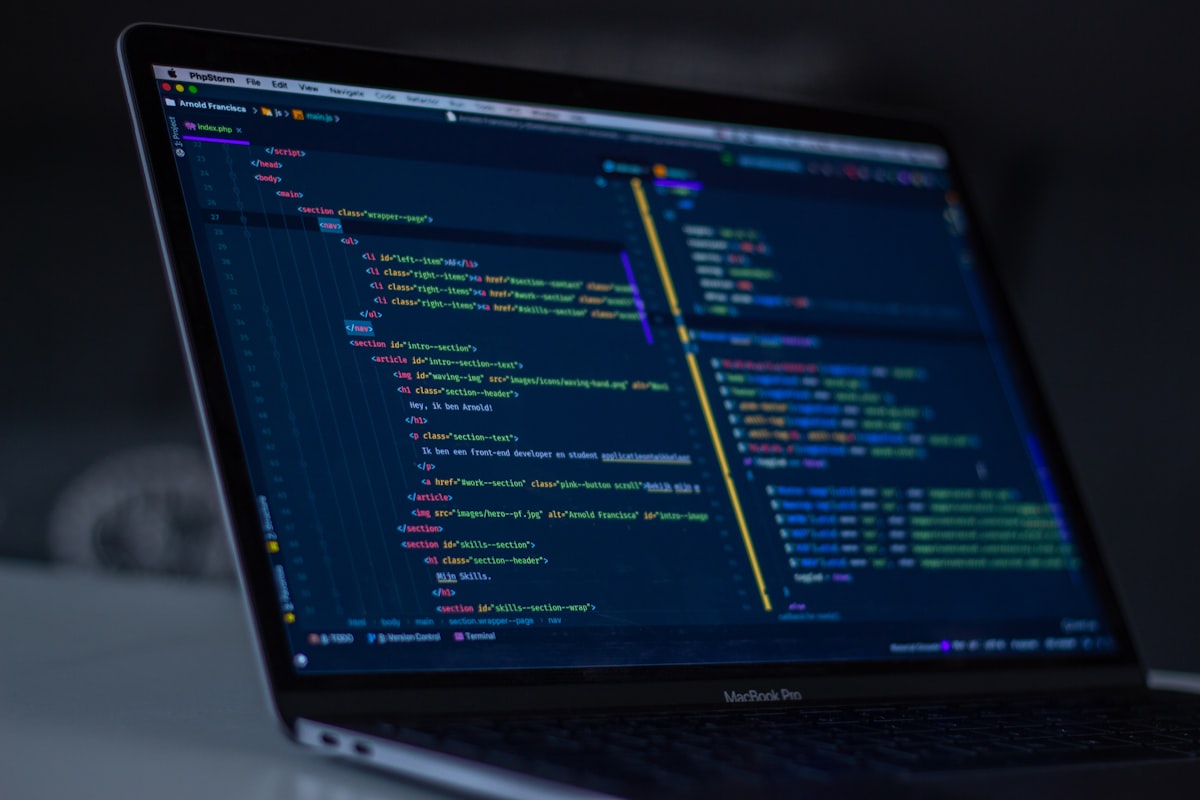
It’s easy to get overwhelmed by all this. The sapa struggles are real enough without adding global uncertainties to the mix. But I think this is where the Nigerian spirit truly shines. We adapt. We pivot. We find the opportunities in the chaos. For every global challenge, there’s often a local problem it exacerbates, and therefore, a local solution waiting to be built.
So, I’m back to my sharding strategy. Because no matter what’s happening out there, the code still needs to be written, the products still need to be built, and our local economy still needs innovative solutions. That’s the mission, and we don't stop.

Related from Venture
Let's build your next big product.
Accepting project-based freelance, remote engineering roles, and hybrid positions.