When Global Sabers Rattle, My Generator Screams
With the Middle East on the brink and energy blockades looming, local developers are about to face a massive squeeze in server costs and fuel prices. Here is how we build through the chaos.

My generator just coughed, sputtered, and died. It is 5:30 AM in Jos, the air is freezing, and I am staring at a terminal screen that is currently trying to pull a massive Docker image over a sluggish connection.
Then I saw the headlines. Trump is back in the Situation Room, there is a naval blockade starting in the Persian Gulf, and Tehran is threatening to shut down all Middle East energy exports.
While political analysts on TV debate the foreign policy implications of a fresh war, my mind immediately goes to two very practical, very painful metrics: the price of a liter of petrol at the local station, and the inevitable surge in my AWS bill next month.
When global energy markets go into a frenzy, tech builders in Nigeria are the ones who pay the tax. We do not have the luxury of stable grids or cheap local hosting. For us, geopolitical friction translates directly into operational Sapa.

The Invisible Line Between Sea Blockades and Server Bills
You might wonder how a blockade in the Middle East affects a developer writing TypeScript in a shared workstation in Gbagada. It is simple math.
Our tech ecosystems are heavily dependent on foreign cloud infrastructure. Every database we spin up, every serverless function we deploy, and every API we ping is billed in US dollars. When global energy prices spike, inflation follows, the Naira takes another hit, and that "cheap" $20-a-month hobby server suddenly starts looking like a major corporate expense.
If you are running a startup in Nigeria today, you cannot afford to be sloppy with your tech stack. We have to design for extreme efficiency.
I am talking about aggressive caching, turning off unused staging environments the second we close git branches, and keeping our databases as lean as possible. If your app is database-heavy and you are running unoptimized queries that keep your CPU usage constantly spiked at 90%, you are literally burning cash that could have bought fuel for your office inverter.
Designing Apps for "Sapa" Mode
It is not just about our backends; we have to think about the user experience on the ground.
Imagine a retail trader in Onitsha trying to upload inventory to your e-commerce platform. Because of rising energy costs, his local cybercafe or his own phone battery is constantly running low. He is probably dealing with network towers that are powered down for hours to conserve diesel.
If your frontend is a bloated 15-megabyte React bundle that takes ages to hydrate on a weak 3G connection, that user is gone.
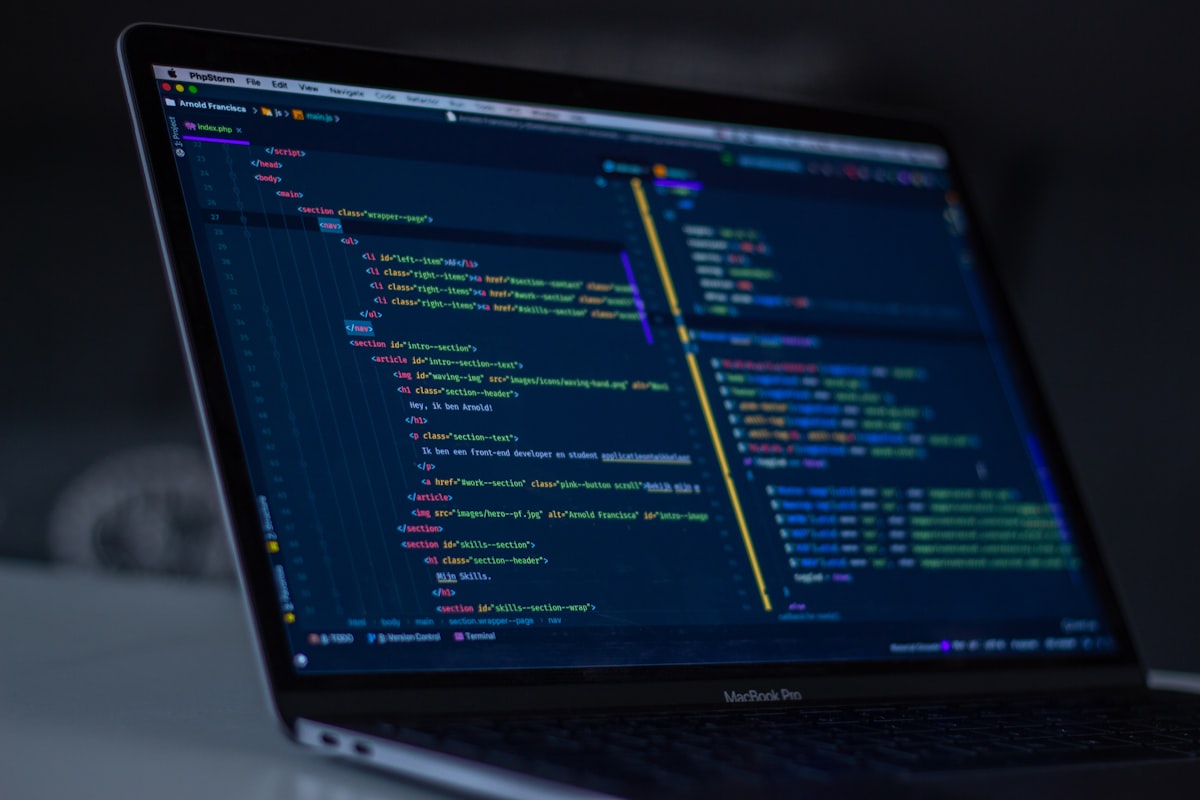
We need to build with an "offline-first" mindset. Startups building out of Akure or Owerri are already mastering this out of sheer necessity. They are using SQLite for local storage, queuing network requests when the connection drops, and syncing data in tiny, compressed JSON payloads only when a strong signal is detected.
If the world is going to make electricity and data more expensive, our code has to become incredibly lightweight.
Ditching the Lazy Cloud Defaults
For years, the standard advice for any tech founder was to just throw everything on AWS, Google Cloud, or Azure. "It scales," they said.
But when you are self-funding a product in a volatile market, blind reliance on these giants is a trap. I have started moving some of my non-critical workloads to alternative VPS providers like Hetzner and Linode. The cost difference is night and day.
Some bold teams I know are even looking into co-locating physical servers in local data centers in Lagos to keep their traffic local and avoid the FX nightmare altogether. It requires more dev-ops muscle, sure, but it gives you a predictable cost structure that does not fluctuate because someone threatened a power plant thousands of miles away.
We are entering a phase where the "no gree for anybody" mindset has to apply to our system architecture. We have to optimize, prune, and adapt. The global landscape is messy, but as long as we can keep our laptops charged and our code tight, we will keep building.
Related from Venture
Let's build your next big product.
Accepting project-based freelance, remote engineering roles, and hybrid positions.