Finally, Real Energy Funding? My Take on All On's Challenge.
All On is dropping serious cash into off-grid energy solutions. This isn't just about light bulbs; it's about powering up our dev dreams and the small businesses that keep this country moving.
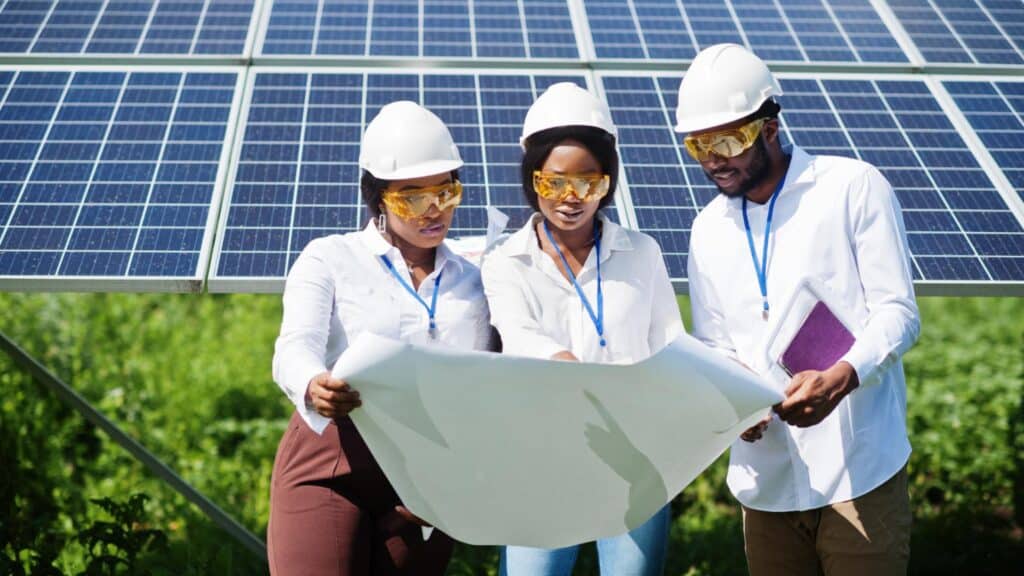
That familiar groan. The lights flicker, then die. Your code compiles, then the fan on your laptop stops spinning. The inverter beeps its last warning. For any developer or founder here in Nigeria, that's a daily reality. The power problem isn't just an inconvenience; it's a productivity killer, a dream crusher for businesses big and small.
So when I saw Techpoint’s update about the All On Off-Grid Energy Challenge for 2026, my first thought wasn't just 'more grants'. It was 'could this actually move the needle?'
The Big Bet on Light (and Livelihoods)
All On, you know them – the guys who’ve been trying to push off-grid solutions for a minute now – they just opened applications for their 2026 challenge. And this isn't pocket change. They're talking about dishing out between $200,000 and $1,000,000 per successful proposal. That's some serious naira, even with the exchange rates these days.
The goal? Find and fund innovative clean energy companies. We're talking solar home systems, mini-grids, energy efficiency tech, even cold chain solutions. Basically, anything that can help power up the millions of Nigerians stuck in the dark or battling abysmal power supply.

More Than Just Funding: It's Blended
One thing that caught my eye was the "blended funding" structure – a combination of non-dilutive and commercial instruments. This is smart. For founders like us, non-dilutive capital (think grants) is gold because it doesn't chip away at your equity. Pairing it with commercial instruments (like debt or convertible notes) means All On isn't just handing out cash; they're investing in ventures with actual business models and pathways to sustainability. This tells me they're serious about seeing these companies grow, not just launch.
They're also throwing in technical assistance and investment-readiness support. You can have the best tech in the world, but if you can't package it right for investors or scale it effectively, you're dead in the water. That kind of hands-on support? Crucial.
The Productive Use Angle: This is Where It Gets Interesting
This year, All On is really leaning into "productive use of energy" (PUE). This is key, absolutely key. It's not enough to just provide light. People need to do something with that power to earn a living.
Think about it:
- A farmer in Akure finally gets reliable power for their processing machines, turning fresh produce into value-added goods instead of watching it spoil.
- The small shop owner in a Gbagada neighborhood can power a freezer for cold drinks, extending their inventory and their income.
- That vulcanizer in Owerri can run his air compressor all day without worrying about fuel costs for a generator, speeding up service.
- Even in places like Jos, where internet cafes struggle with uptime, consistent power means more users, more business, and better connectivity for the community.
This focus on PUE means these aren't just energy projects; they're economic development engines. For us developers, this opens up massive opportunities to build the software layers on top:
- IoT solutions for monitoring energy usage and billing.
- Mobile apps for managing payments, customer support, and even marketplace integrations for the businesses powered by these solutions.
- Data analytics to optimize energy distribution and predict demand.
Imagine building a custom ERP for a network of mini-grid powered cold storage facilities across the country. Or a payment gateway specifically tailored for productive use appliances. The potential is huge.

My Hopes, and a Dash of Reality
Look, I'm excited. Any initiative that brings more consistent power to Nigerians, especially through clean energy, gets my attention. We've been living with "No gree for anybody" energy solutions – buying fuel, patching up generators, constantly improvising. This challenge could actually provide some stable ground.
But my founder brain, always on alert, also sees the hurdles. Scaling these solutions across diverse geographies in Nigeria is a beast. Logistics, local acceptance, maintenance, financing models for end-users – these are all tough nuts to crack. And while $1M is a lot, building out a mini-grid infrastructure is seriously capital-intensive.
Still, the sheer volume of money and the focus on productive use makes this different. It's not just about turning on a light bulb; it's about turning on a business, powering someone's craft, connecting them to the digital economy. That's a narrative I can get behind.
If you're building in this space, or even just thinking about it, 31st July is the deadline. Time to channel that "Sapa no go reach me here" energy and apply. This might just be the spark we need.

Related from Nigeria
Let's build your next big product.
Accepting project-based freelance, remote engineering roles, and hybrid positions.