Why I'm Sick of Building (and Using) 'Perfect' Fitness Streaks
Fitness apps are obsessed with daily streak counters and raw data, but they constantly ignore how actual humans live and build habits.
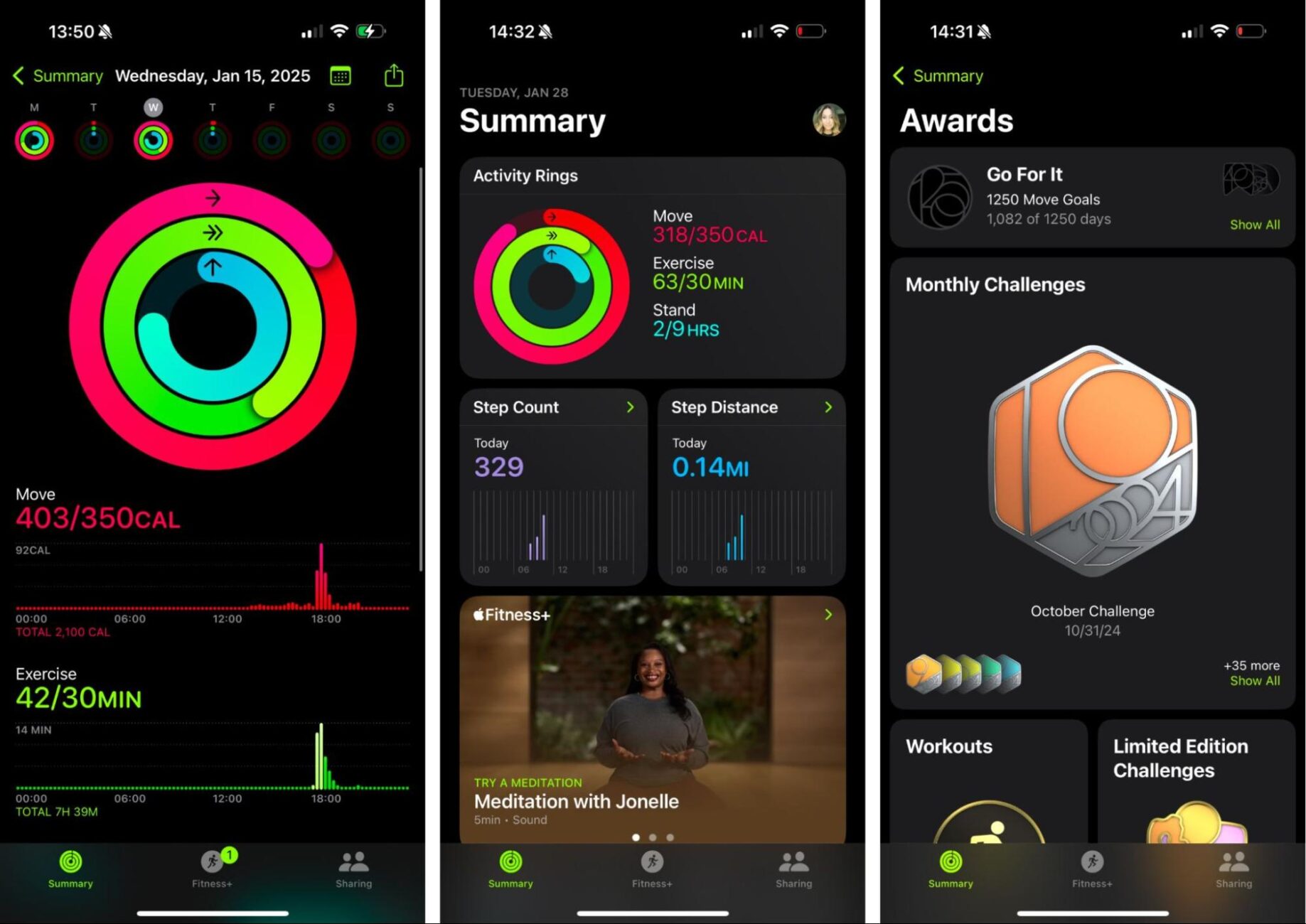
My phone buzzed at 5:30 AM during a chilly morning in Jos. It was my fitness app, reminding me—with a slightly passive-aggressive push notification—that I was about to lose my 14-day running streak. My legs felt like lead, and my body was screaming for sleep, but the fear of seeing that digital counter reset to zero dragged me out of bed.
As a developer, I know exactly why that notification exists. We build these systems. We write the database schemas that track daily activity and trigger cron jobs to nudge users at ungodly hours. We gamify behavior because retention charts look beautiful in pitch decks.
But looking at the recent research on whether these apps actually work, I’ve started questioning if our obsession with gamified metrics is actually breaking the user experience.
The Problem with the Binary Mindset
The research points out a massive design flaw: the "all-or-nothing" mindset created by streaks.
From a coding perspective, a streak is a simple boolean check. If the user completes the action today, keep incrementing the counter. If they don't, set the counter to zero. It is clean, cheap to run on the backend, and absolutely terrible for human psychology.

When we build software that treats human behavior like a binary switch, we set users up for failure. If someone is fighting a bout of "Sapa", running around Owerri to sort out family logistics, or sitting in a Gbagada workstation for twelve hours trying to squash a production bug, they do not need an app telling them they are failures because they missed a 10,000-step goal.
The moment that streak breaks, the user often gives up entirely. We designed a feature to build consistency, but the execution actually triggers defeatism.
Over-Engineering the Metrics
Modern fitness apps track everything: steps, calories, heart rate, sleep quality, water intake.
As builders, we love data. Give us a clean API or a wearable sensor, and we will turn a simple evening stroll into a complex financial ledger. But more data does not equal better health. In fact, it just makes the interface noisy.
Take calorie estimates, for example. We write complex algorithms trying to estimate burn rates, but we ignore the basic variables like individual metabolism or whether the user is running on a paved road in Abuja or navigating a muddy hill in Akure. It is an estimation disguised as absolute truth, and it can make users obsessive and anxious.

Building with Actual Empathy
If we want to build health tech that actually works, we have to stop copying Western SaaS templates that assume everyone has a seamless, predictable daily routine. We need to design for real, chaotic lives.
Why isn't there a "life happened" button in our streak logic? Instead of resetting a counter to zero, we could write a simple function that allows a user to pause their streak or adjust their daily goal based on their schedule.
If the app detects you have been sitting in traffic or dealing with local stress, it shouldn't yell at you to run 5 kilometers. It should suggest a five-minute breathing exercise or a light stretch.
The "No gree for anybody" mindset is great for pushing through tough times, but when your own fitness software uses it to guilt-trip you, it is time to refactor the code. We need to build platforms that act as guides, not digital taskmasters.
Related from Nigeria
Let's build your next big product.
Accepting project-based freelance, remote engineering roles, and hybrid positions.