AI in Finance: Is OPay building the bridge or just talking tech?
AI is all the buzz, especially when giants like OPay start talking about it. But from a builder's perspective, is it just talk or are we really about to see some revolutionary integrations that tackle real Nigerian problems?
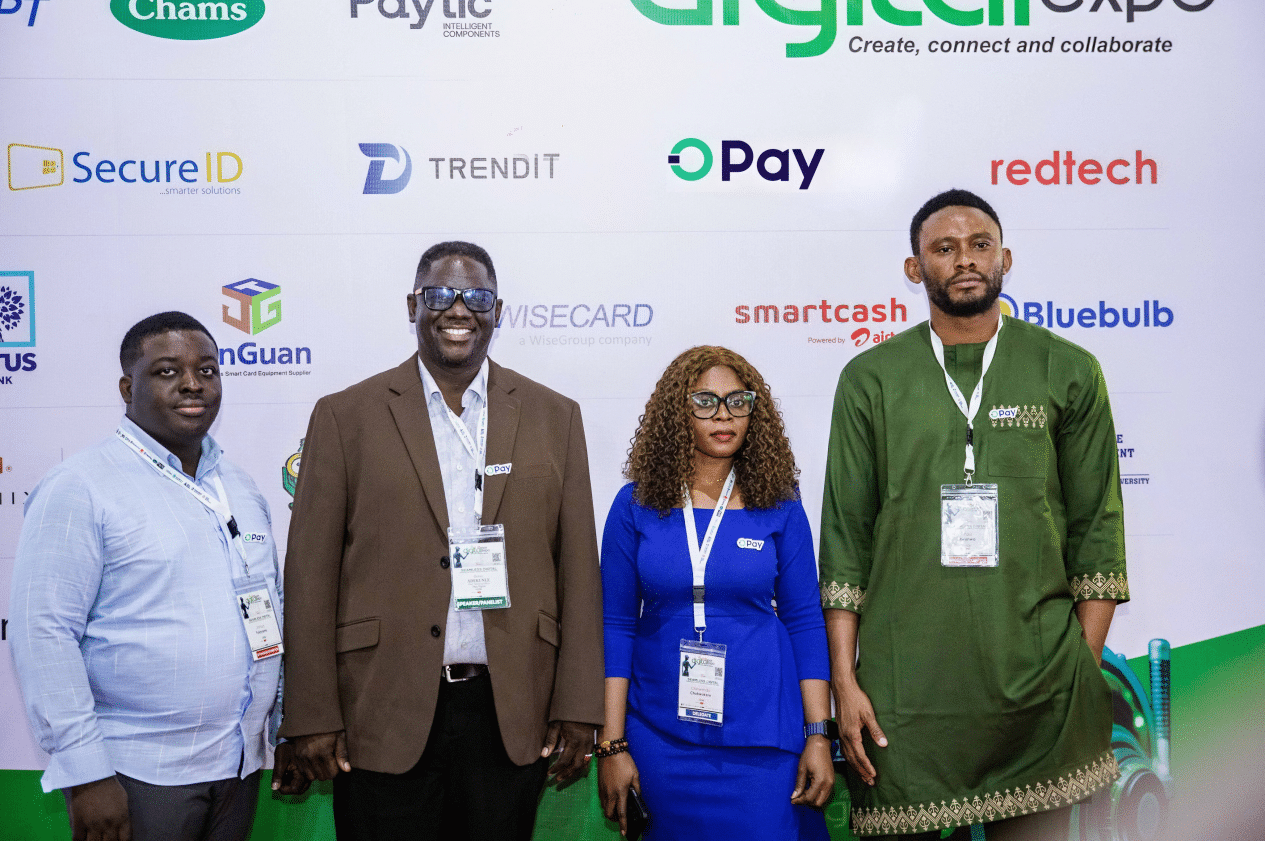
Sometimes, when I read these industry reports, especially the "Brand Press" ones, I find myself toggling between 'this is exciting!' and 'na hype be this again?'. OPay being the headline sponsor at Digital PayExpo 2026, talking up AI in digital finance, definitely caught my eye. My dev brain immediately jumped to the possibilities, but then the typical Nigerian cynicism kicked in: how exactly?
The AI Promise: Integration, Not Just Inclusion
Dotun Adekunle, OPay's COO/CTO, hit a chord when he said, "The first chapter of African fintech was about inclusion. The next chapter is about integration. AI is the bridge..." That's a powerful statement. We’ve seen incredible strides in financial inclusion over the last decade. My aunt in Akure can now send money to her sister in Owerri using her phone, no bank queues needed. That's inclusion.
But integration? That's the real meat for us developers. It's about making those interactions seamless, secure, and smart. When Dotun talks about reducing payment friction, improving financial access, strengthening fraud prevention, and unlocking credit, I’m thinking about the actual code, the data pipelines, the user flows.

Take fraud prevention, for example. The "No gree for anybody" mindset might work for personal defense, but online, it's algorithms and predictive models doing the heavy lifting. I've spent sleepless nights debugging payment gateways, trying to plug tiny loopholes scammers exploit. If OPay is truly leveraging AI here, that means sophisticated pattern recognition, real-time anomaly detection, and probably some robust machine learning models trained on massive datasets. The challenge isn't just building it; it's keeping it ahead of the curve, especially with how creative fraudsters get when sapa hits hard.
AI for the Underserved: A Real Game-Changer?
One point that always resonates with me is how technology can serve the unbanked and underserved. The article mentions unlocking credit for millions. Now, that's where AI can really shine, if done right. Imagine a small market vendor in Onitsha, who's been using OPay for all her transactions for years, suddenly getting access to micro-loans because AI has analyzed her spending patterns, her income consistency, and built a reliable credit profile. No collateral, no endless paperwork. Just data.
This isn't just about big finance; it’s about micro-economies thriving. It’s about building features that look beyond traditional credit scores and leverage alternative data. My own startup is exploring how to use non-traditional data points to help small businesses get funding. It’s tough. Data quality is often a nightmare, and building ethical, unbiased models is a constant battle. But the potential impact? Huge.

The Nigerian Context: Infrastructure and Reality Checks
While OPay talks big about AI, my mind drifts to the practicalities on the ground. You can build the most advanced AI models in the world, but if the internet connectivity is patchy in a rural village, or the cost of data is prohibitive, or the devices aren't smart enough, how much of that integration truly reaches the people who need it most?
These are the engineering challenges that keep me up at night. Building for the Nigerian market isn't just about writing elegant code; it's about building resilient systems that account for power outages in Gbagada, fluctuating network speeds, and users who might be interacting with your app on a feature phone. It's about designing user experiences that are intuitive, even for those who are just dipping their toes into the digital economy.

So, yes, I'm excited by OPay's vision. The potential of AI to truly transform digital finance in Africa, to move us beyond just basic transactions into a more intelligent, integrated financial ecosystem, is massive. But as a builder, I'm always looking beyond the headlines to the execution. What does this mean for the tech talent pool? Are we building the skills needed to implement these complex AI solutions locally? Are we focusing on robust, scalable infrastructure?
The next chapter of African fintech isn't just about AI; it's about how we, the developers and founders on the ground, bring that AI to life, solving real problems for real people, brick by digital brick. Let's hope OPay truly builds that bridge, and not just another fancy tollgate.
Related from Nigeria
Let's build your next big product.
Accepting project-based freelance, remote engineering roles, and hybrid positions.