When the Strait of Hormuz Closes, My Code Gets More Expensive
Global trade routes are choking again, and while the news talks about oil, I'm looking at my AWS bill and the price of a replacement development board in Akure.
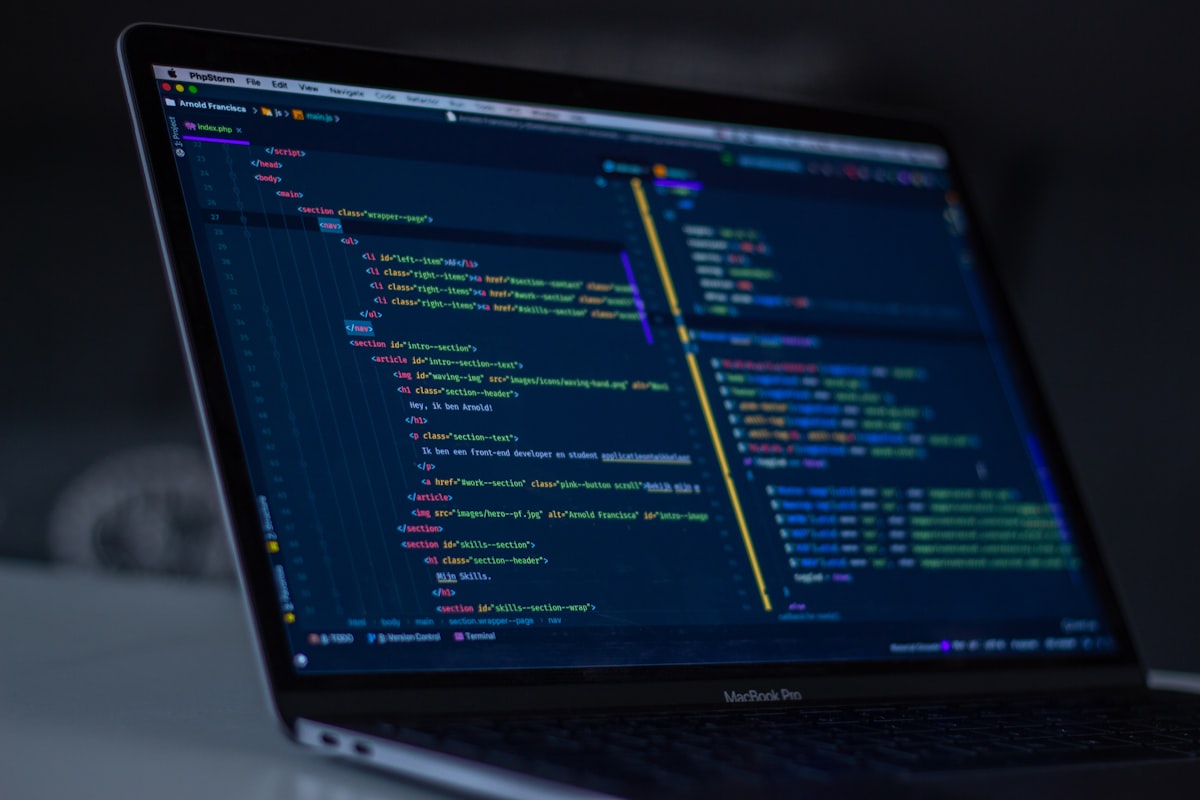
My desk in Gbagada is currently vibrating because the neighbor’s generator just kicked in, and honestly, that’s the perfect soundtrack for today’s mood. I just refreshed my feed to see news of the Strait of Hormuz being closed after some intense military back-and-forth in the Middle East. Most commentators are talking about oil prices, global shipping lanes, and political chess.
As a developer trying to run a lean operation in Nigeria, all I see is another hit to my runway and my hardware budget.
The High Cost of Shifting Atoms
We spend so much time talking about bits and bytes that we forget our entire industry runs on physical hardware. If you're trying to set up a small hardware testing lab in Akure or just buying a few microcontrollers for an IoT project, you are at the mercy of global shipping.
When shipping routes clog up, the shockwaves don't just hit the oil depots; they hit the small computer shops in Ikeja. Try buying a replacement development laptop right now without flinching at the price. The "Sapa" we experience isn't just about local inflation; it’s the direct result of a fragile global supply chain squeezing our local purchasing power.

Every time a major trade route gets disrupted, local importers swap out their price tags. The RAM upgrade you planned for next week suddenly costs 30% more because "dollar has gone up" or "shipping is expensive."
Generator Fuel vs. Cloud Hosting
The phrase "No gree for anybody" is a great mental model for surviving the tech scene here, but it doesn't buy diesel or pay for cloud compute.
If you're running physical servers or just trying to keep your workstation powered during a grid collapse, you're tracking fuel prices. A closed Hormuz means global oil prices spike. In Nigeria, that translates directly to the landing cost of fuel, which means my daily cost to keep my local environment running in Gbagada goes up.
We aren't just paying for AWS instances; we are paying a heavy tax just to keep the local machines alive long enough to push a commit. When your overhead costs rise on both the hardware side and the power side, you have to look at your code and ask: how can I make this cheaper to run?
Writing Code for a High-Cost Reality
We can't control global shipping lanes, but we can control our tech stack. When resources get expensive, your code has to get incredibly lean.
This means migrating away from heavy, resource-hungry VM setups to lightweight, serverless architectures where we only pay for exact execution time. If you’re building for the local market—say, an inventory app for traders in Onitsha—you can't assume your users have high-end devices or cheap data.
- Optimize your payloads: Keep your JSON responses tiny. Your users shouldn't burn through their data plans just to load a dashboard.
- Cache aggressively: Don't hit the database if you don't have to. Compute cycles cost money, whether on your local rig or on a cloud provider.
- Build for offline first: Network fluctuations are real. If your app dies the moment the connection drops, it's useless to a merchant working in a chaotic market square.

It is easy to look at global news and feel completely disconnected from it. But the reality is that a drone strike thousands of miles away eventually shows up on our local balance sheets.
We don't stop building because things get expensive. We just write better, more efficient code, optimize our server bills, and keep pushing. Time to get back to this debugging session before the inverter starts beeping.
Related from Engineering
Let's build your next big product.
Accepting project-based freelance, remote engineering roles, and hybrid positions.