Unified Call Logs, Sideloading Hurdles, and the Long Wait for One UI 9 in Nigeria
Samsung’s One UI 9 has some brilliant upgrades, but the rollout delay for Africa and the new sideloading rules have me thinking about our local UX realities.
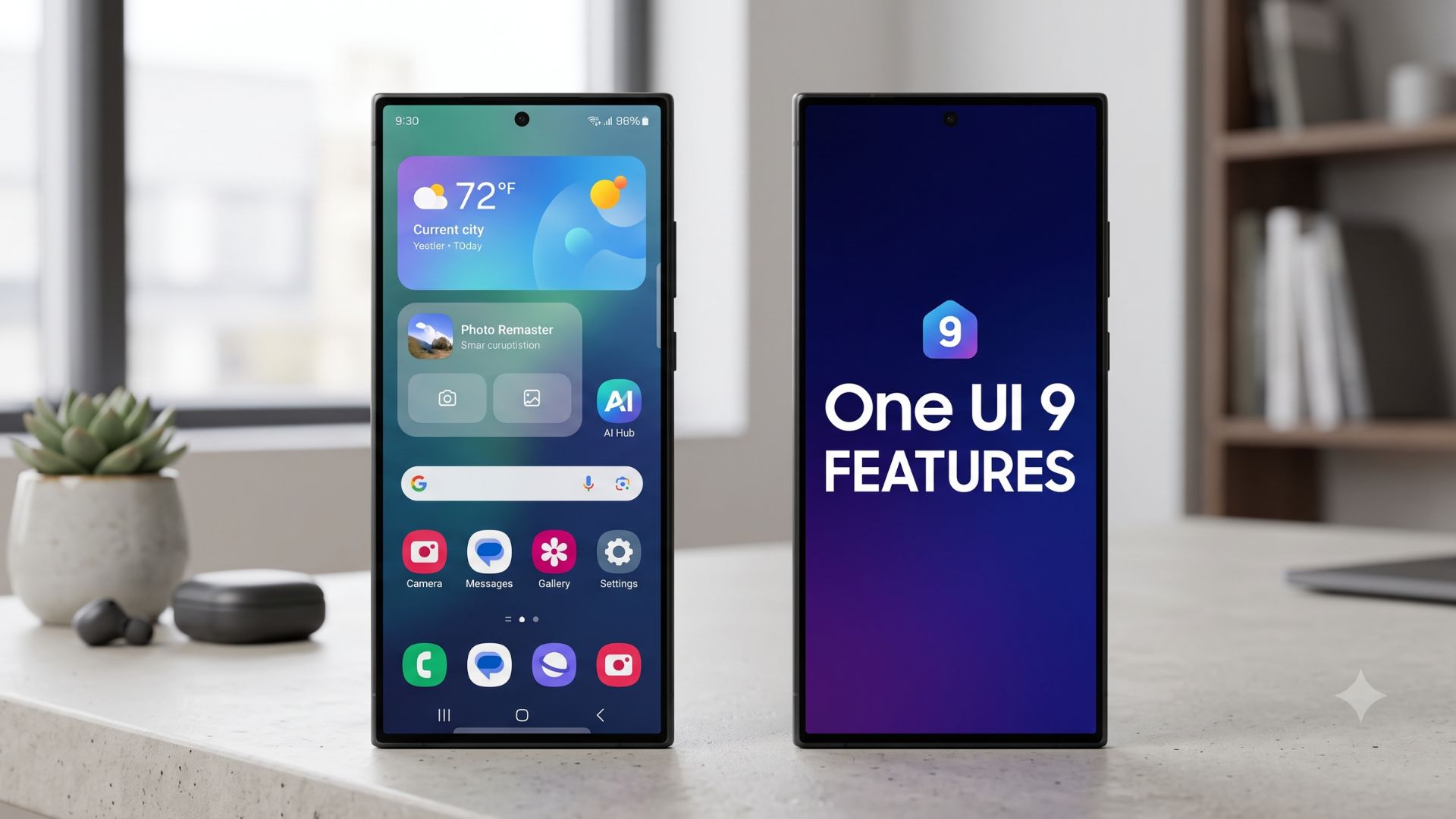
I am currently sitting in a shared workspace in Gbagada, watching the rain beat down on the window while waiting for a massive Docker build to finish, when the news about Samsung’s One UI 9 drops. Built on Android 17, it has a lot of shiny things to show off. But as a developer building products for this market, my eyes immediately skipped past the marketing fluff to look at the deployment timeline.
And yep, there it is: Africa is getting the update "several weeks" after Europe and the US.
It is a familiar cycle. We wait. We watch developers in Germany, South Korea, and the US test the beta, while we hold our breath hoping our local apps won't break when the stable wave finally hits our shores around late October or November.

The WhatsApp Call Integration is a Major Win
Let’s talk about the UX feature that actually matters for the average Nigerian. One UI 9 is finally integrating third-party calls, like WhatsApp and Google Meet, directly into the native system call log.
If you run a business or build apps here, you know cellular calls are becoming a luxury because of telco rates. Almost every client call, quick team alignment, or casual catch-up happens over WhatsApp.
Having to open a specific app just to see who called you twenty minutes ago has always been a disjointed experience. Bringing WhatsApp calls into the main dialer log makes the phone feel like a unified communications hub. This is the kind of practical UX improvement that makes a real difference.
The Sideloading Crackdown is Going to Hurt Local Testing
Samsung is doubling down on security with One UI 9, introducing stronger protections against risky apps, giving warning prompts, and showing a dedicated menu of every single sideloaded app.
From a security engineering perspective, I get it. Malware is rising. But from a local developer's standpoint, this is going to make user testing a bit of a headache.
When we build early-stage prototypes, we do not always push them straight to the Play Store. We share APKs. We drop them in Telegram channels or WhatsApp groups for testers in places like Akure or Owerri to try out and give us feedback.
If Samsung's new OS starts throwing scary warnings or blocking these installations by default, it adds massive friction. We will have to spend more time explaining to our non-technical testers that "No, my app is not trying to steal your bank details, it's just Samsung being overly protective."

That Blue Dot and the Privacy Push
Android 17 is introducing a blue dot in the status bar that pops up whenever an app uses your location. You can tap it to see exactly who is watching.
For those of us building logistics, delivery, or ride-hailing apps for the chaotic streets of Lagos, this means we need to be incredibly precise with our location polling. If our background service keeps that blue dot glowing constantly, users will get paranoid about battery drain and privacy, and they will uninstall our apps.
It forces us to optimize our battery consumption and location-tracking lifecycle. If you do not need precise real-time tracking every single second, do not ask for it. One UI 9 will make it very easy for users to catch you slipping.
Small Polish Over Big Fluff
I like that Samsung isn't trying to reinvent the wheel with how the phone looks. They are focusing on utility. The tape tool in Samsung Notes is a neat touch for quick mockups or hiding sensitive API keys when taking screenshots of notes.
The Game Booster updates that let you monitor FPS and CPU performance without leaving the app are also a nice touch, especially for mobile gamers dealing with thermal throttling on hot afternoons.

But the rollout delay remains a bitter pill. By the time the stable version reaches most users here, the global conversation will have moved on, and we will be playing catch-up with bug reports.
For now, I'll keep my focus on writing clean code that doesn't trigger the upcoming sideloading alarms. If you are building for Android, now is the time to start auditing how your app handles background location and how you package your builds for external testing.
Related from Nigeria
Let's build your next big product.
Accepting project-based freelance, remote engineering roles, and hybrid positions.