Building the AI Bridge: OPay's Vision & Nigeria's Reality
OPay's big talk about AI at Digital PayExpo got me thinking. Is this the real deal for financial integration, or just another shiny new tech phrase? My head's already buzzing with the challenges and opportunities for us builders.
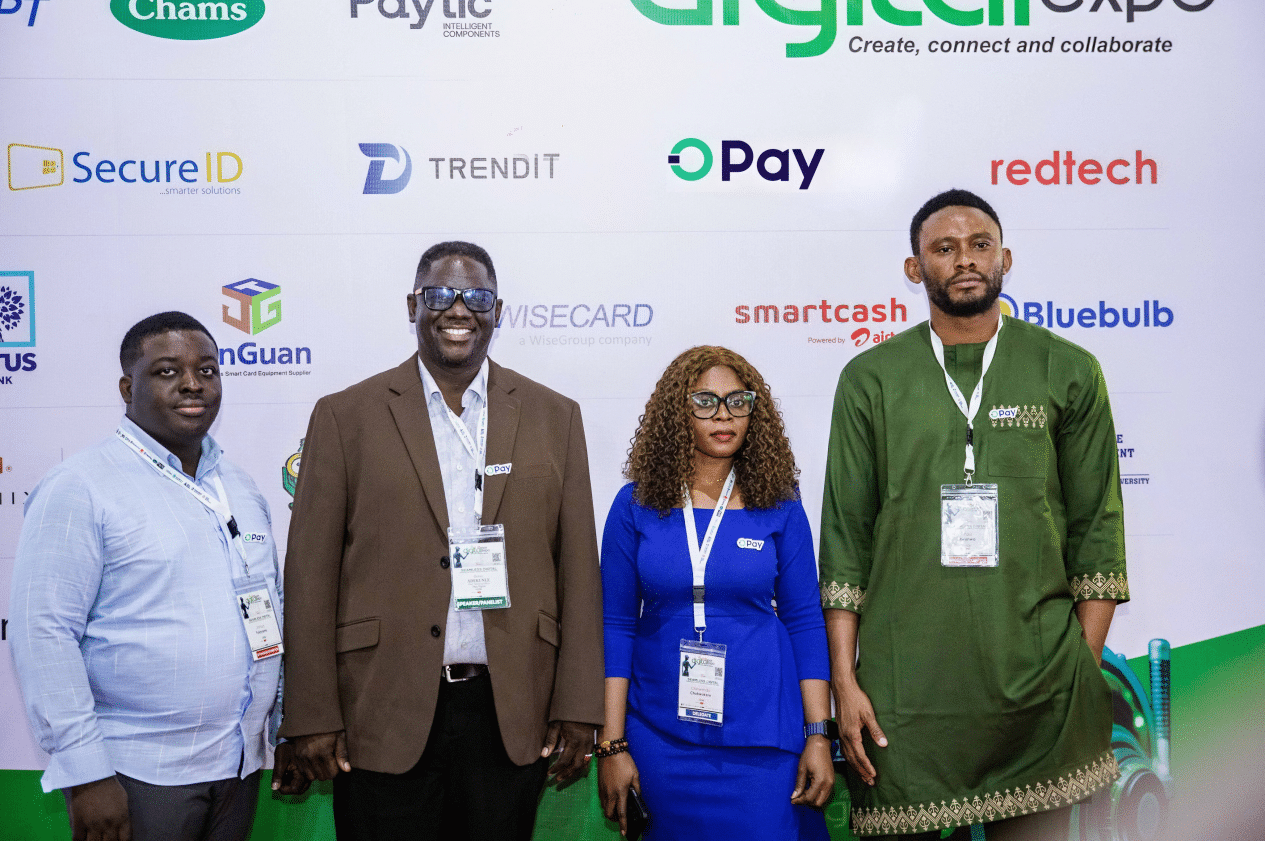
Just yesterday, I spent a good hour trying to debug a webhook integration that kept failing randomly. The kind of random that makes you question your life choices, especially when you're trying to push out an update before the usual evening rush. So, when I saw OPay was at the Digital PayExpo 2026, dropping heavy words like "AI-powered digital finance" and "unlocking a unified digital economy," my developer brain immediately went from "how can I fix this bug?" to "how are they planning to build that?"
It’s one thing to say it on a stage in Lagos; it’s another to make it work seamlessly for someone trying to pay for a plate of amala in a busy market in Dugbe or a small business owner in Kaduna struggling to get inventory.
The Big AI Promise
Dotun Adekunle, OPay's COO/CTO, laid out this vision where AI becomes the actual "bridge" connecting 1.4 billion people. He talked about moving past just basic financial inclusion to full-blown integration, using AI to do things like:
- Reduce payment friction
- Improve financial access
- Strengthen fraud prevention
- Enable smarter compliance
- Unlock credit for millions of underserved individuals and businesses
Sounds like a dream, doesn't it? Especially for those of us who've seen firsthand how sapa can hold back genuine ambition, simply because formal credit is a mirage. The idea of AI helping to assess creditworthiness where traditional banks won't even look? That's impactful stuff.

Under the Hood: The Developer's Reality
But let's be real for a second. As someone who builds, my mind immediately jumps to the "how."
"Reducing payment friction" with AI? Does this mean smarter routing algorithms that anticipate network issues? Predictive caching? Or perhaps more robust error handling and auto-retries that don't need user intervention? For us on the backend, that means wrestling with flaky APIs, optimizing database queries for millions of simultaneous transactions, and architecting systems that are resilient enough to handle Nigeria's unique network temperament. It's not just a fancy AI model; it's a monumental engineering feat.
And "AI-powered fraud prevention"? Yes, please! The amount of sophistication in online fraud here means we need all the help we can get. But what does that mean in terms of data? Are we talking about real-time behavioral analytics? Geo-fencing? Device fingerprinting? It requires mountains of clean, structured data – something that's often a treasure hunt in itself. Plus, our fraud patterns are homegrown; you can't just slap a global AI model on it and expect magic. It needs local context, local data, and constant retraining.

The Credit Conundrum and Data Goldmine
The most exciting part, for me, is the idea of AI unlocking credit. Imagine someone running a small provision shop in Owerri or a farmer in Jos suddenly having access to micro-loans based on their transaction history with OPay agents, their mobile top-ups, or even their power bill payments. That's life-changing.
But building a credit scoring model that's fair, accurate, and scalable for millions of people with little to no formal credit history? That requires some serious data science chops and a lot of creative thinking around alternative data sources. You need to identify patterns, not just rely on what's in a conventional database. This is where AI truly shines, sifting through the noise to find signals.

What it Means for Us Builders
This isn't just a challenge for OPay; it's an opportunity for everyone building in the ecosystem. If the big players like OPay are tackling these core infrastructure problems with AI, it opens up new avenues for smaller fintechs and developers. We can build specialized tools that integrate with their APIs, create niche solutions for specific industries, or even focus on data analytics and visualization that help businesses understand their financial health better.
The "no gree for anybody" spirit isn't just for hustle; it's for building too. We need to keep pushing the boundaries, experimenting, and adapting these global tech trends to our unique Nigerian realities. AI isn't a magic wand, but in the right hands, with the right data and infrastructure, it can be a powerful lever for change.
So yeah, AI in African fintech. Big words, even bigger problems to solve. But that's where the fun is, isn't it? As builders, we're the ones who will turn these grand visions into actual, working solutions for the everyday Nigerian. Time to get to work.
Related from Nigeria
Let's build your next big product.
Accepting project-based freelance, remote engineering roles, and hybrid positions.