Nigeria vs. The Giants: My Dev Thoughts on the Big Tech Probe
Just when you've finally deployed that update, Nigeria's consumer watchdog steps in, turning the spotlight on Big Tech. For us building in this space, it’s more than just headlines – it's about the future of our ecosystem.
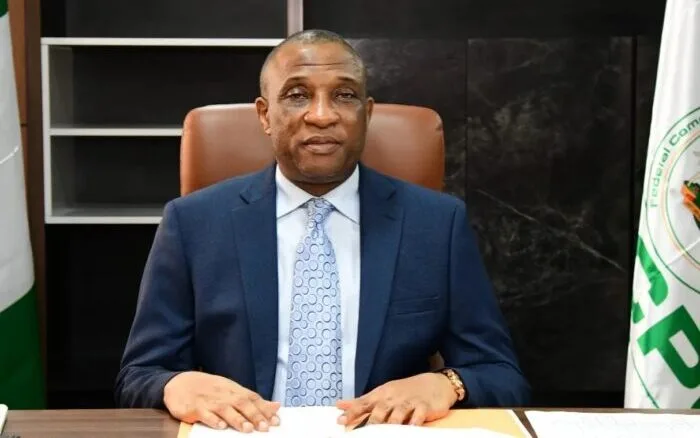
Another Tuesday, 2 AM, staring at a blank screen after a long debugging session. My brain's fried, but then I scroll past this headline: FCCPC is going after Big Tech and AI firms in Nigeria. My first thought? Chai, another layer to navigate.
It’s not just another story about some faraway policy decision. This hits close to home for anyone building software, launching a product, or even just trying to reach customers in Nigeria.
The 'No Gree for Anybody' Spirit Meets Platform Control
We're always in that 'no gree for anybody' mindset here, pushing through the daily grind, building solutions for unique Nigerian problems from Gbagada to Onitsha. But let's be real, a huge chunk of our distribution, our user acquisition, even our ad spend, runs through these global giants – Meta, Google, X.
It’s a double-edged sword. They give us the tools, sure, but they also set the rules of the game. When the FCCPC starts talking 'anti-competitive conduct' and 'market dominance,' it’s not just big corporate jargon. It hits us where it hurts: the ability for our small, nimble startups to even get seen. Imagine building a groundbreaking fintech app in Akure, only for an algorithm to quietly choke your reach or unfairly favor a competitor because of some opaque platform policy. That's the real threat.
AI, Our Content, and the Fine Line
Then there’s the AI angle. The allegations that these generative AI models are scraping Nigerian journalistic content – news articles, broadcasts – without permission or compensation? That’s a sticky one. On one hand, as a dev, I’m constantly experimenting with new AI tools, trying to integrate them into my products. I know these models need vast amounts of data to be intelligent.
But on the other hand, the thought of our unique Nigerian stories, our local narratives, the hard work of our journalists, being gobbled up to train some global model without a kobo paid? That feels off. It takes away from the creators right here, trying to make a living, tell our stories. Imagine a model trained mostly on Western data trying to understand the nuances of a Lagos traffic report or the intricate humor in a Pidgin story. Our cultural context is valuable, and it deserves to be respected and compensated.
What This Means for Us, the Builders
The FCCPC isn't playing around. They've gone after Meta before, won a case on data privacy, and that $220 million fine wasn't small change. We've also seen Google pay up in South Africa for news content. This tells me a few things:
Firstly, we need to be extra diligent about data privacy and content rights in whatever we're building. Compliance isn't a future problem; it's a present headache. It adds another layer to our product roadmap, another thing to secure. Getting that right from the jump can save a lot of 'sapa' later.
Secondly, it might just open doors. If Big Tech platforms become too rigid or too expensive due to these regulations, could it spark more local innovation? Could we see a surge in Nigerian-built platforms that prioritize local content and fair creator compensation from day one? It's a long shot, but we're optimists here, right? The same chaos at an Owerri bus park often inspires the most ingenious solutions.

The uncertainty, the looming investigations… it adds to the 'Sapa' struggle, no doubt. But it also forces us to think smarter, build more sustainably, and maybe, just maybe, push for a tech ecosystem where local value is recognized, not just consumed.
No timeline given for the investigation, but the conversation has started. We'll be watching, building, and adapting, as always.
Related from Nigeria
Let's build your next big product.
Accepting project-based freelance, remote engineering roles, and hybrid positions.